







Introduction:Japan’s third-largest coffee chain brand, KOMEDA's Coffee, has officially entered the Hong Kong market. Its first store opened on the 21st, with plans to expand to at least 10 branches in Hong Kong within the next three years. This coffee brand, originating from Nagoya and with a history of over half a century, how will it establish a foothold in the highly competitive markets of Hong Kong and China? This article takes an in-depth look at KOMEDA’s brand characteristics, AEON’s expansion plans, as well as the current challenges and opportunities in China’s coffee market.
The well-known Japanese coffee chain KOMEDA's Coffee is set to officially enter the Hong Kong market through AEON Group. Its first store commenced operations on the 21st, with plans to open at least ten branches in Hong Kong over the next three years. As a long-established coffee shop that originated in Nagoya and boasts a history of over 50 years, KOMEDA enjoys a broad consumer base in Japan. It currently ranks as the third-largest coffee chain in Japan by number of stores, only behind Starbucks and Doutor.
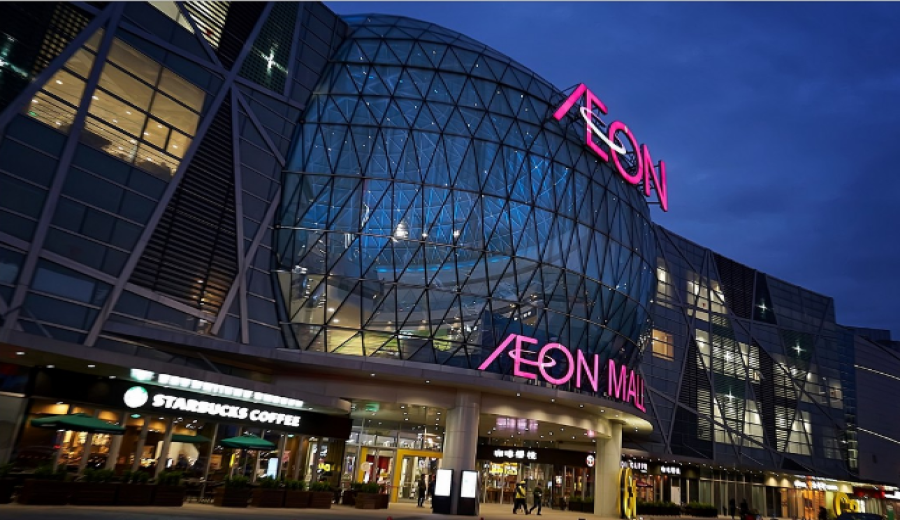
AEON Group recently announced a partnership with KOMEDA, aiming to bring the brand to the Hong Kong market. The first outlet opened on the 21st. Senior executives from AEON Group stated that the group aims to establish no fewer than ten KOMEDA stores in Hong Kong over the next three years. AEON plans to convert some of its existing general merchandise stores (GMS) and supermarket spaces into dedicated KOMEDA outlets, while also seeking suitable locations in newly developed shopping malls to open brand-new stores.
In addition, AEON Group will continue to expand its presence in the Greater Bay Area. With a base of 136 mainland stores as of the end of March this year, the group aims to further increase the total number of stores to 280, demonstrating its long-term commitment and confidence in the southern China market.
KOMEDA's Coffee is a full-service coffee chain brand that emphasizes a “comfortable, home-like” atmosphere. The brand was born in Nagoya, a significant birthplace of Japanese coffee culture. Since its establishment in 1968, KOMEDA has been centered around the core concept of creating an “ideal place for relaxation,” allowing every customer to enjoy a cup of coffee leisurely, just like in their own living room. This warm, homely ambiance has earned the brand a high level of customer loyalty in Japan.
As of the end of February this year, KOMEDA operates as many as 896 stores in Japan, making it the third-largest coffee chain in Japan by scale, only behind Starbucks and Doutor. The brand not only offers a variety of classic coffee beverages, but its interior space design also emphasizes a warm, homey feel—with spacious seating and natural lighting, making it highly suitable for extended stays or small gatherings.
Currently, the coffee market in China and Hong Kong has reached a stage of fierce competition. In addition to international brands such as Starbucks and %Arabica, local and regional brands are also rapidly rising. Moreover, more than 12 major convenience store chains, including FamilyMart, Lawson, 7-Eleven, Circle K, and Cheers, have all launched their own private-label coffee brands, with price ranges spanning from 6.9 RMB to 24 RMB per cup, covering both budget and mid-tier consumer segments.
Not only are convenience stores actively joining the competition, but large retail enterprises are also entering the coffee market through partnerships. For example, EasyJoy, a convenience store under Sinopec, partnered last month with the Canadian brand Tims Coffee to launch two ready-to-drink coffee products, which are now available for sale at EasyJoy outlets nationwide. Since entering the Chinese market in 2019, Tims Coffee initially launched standalone stores in Shanghai, and has recently further partnered with Metro to introduce the smaller-format Tims Go Express stores, targeting supermarket shoppers.
However, despite the vast market opportunities, the challenges of brand survival cannot be overlooked. As more competitors enter the market, saturation increases and consumer choices expand. Standing out among numerous brands has become a critical challenge for every new entrant. Especially in a highly internationalized city like Hong Kong, where consumer habits are diverse, KOMEDA's Coffee must not only showcase the unique charm of its Japanese coffee culture but also flexibly adjust its product mix and service model to truly win the favor of local customers.
For physical retailers, introducing a coffee brand can not only enhance the shopping experience but also effectively extend customer dwell time, thereby boosting overall sales performance. For supermarkets and department stores, coffee has become one of the key elements in attracting foot traffic. For KOMEDA, finding its own unique positioning in this intense market competition will be key to its future success.
The above content is compiled by CoffeeHunters, a coffee news website.


