







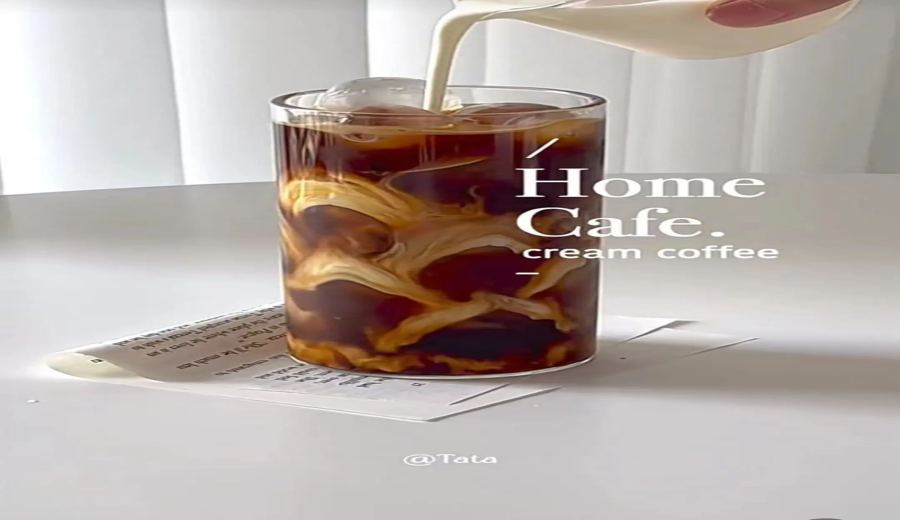
Introduction:In recent years, making coffee at home has become a popular trend. From simple coconut lattes to creatively inspired fruit blends, countless netizens have been sharing their coffee creations on social media platforms. This trend has not only changed people’s drinking habits but also made coffee a more approachable and everyday beverage. This article will delve into the evolution of homemade coffee, the consumer psychology behind it, and offer practical ideas and trend insights to help you stay ahead in this new wave of coffee culture.
The topic of homemade coffee continues to heat up on social platforms, whether on Xiaohongshu or Douyin, with related content reaching hundreds of thousands of views. From early attempts to recreate classic coconut lattes to layered fruit-flavored blends, and even wildly imaginative creations, netizens are constantly injecting new inspiration into this black liquid. This phenomenon naturally raises the question: why has homemade coffee become such a craze in such a short time? And how is it influencing the broader coffee consumption market?
Looking back, coffee-related content on social media used to focus primarily on the ambiance and atmosphere of specialty cafés, accompanied by hipster-style descriptions. However, today’s content has clearly diversified into three main categories: homemade coffee sharing, professional coffee knowledge education, and check-ins at trendy cafés. Among these, homemade coffee topics have surpassed 600,000 views.
The rise of the homemade coffee craze can be traced back to Luckin Coffee’s successful promotion of the coconut latte. Soon after, numerous DIY coffee experiments began appearing across platforms. Initially, most were imitations, but they gradually evolved into various special drinks featuring fruit pairings, milk foam layers, and even creative shapes—such as Saturn coffee, waterfall iced americano, or even a flowing sand-style coffee whipped into a fluffy foam—fully showcasing netizens’ endless creativity.
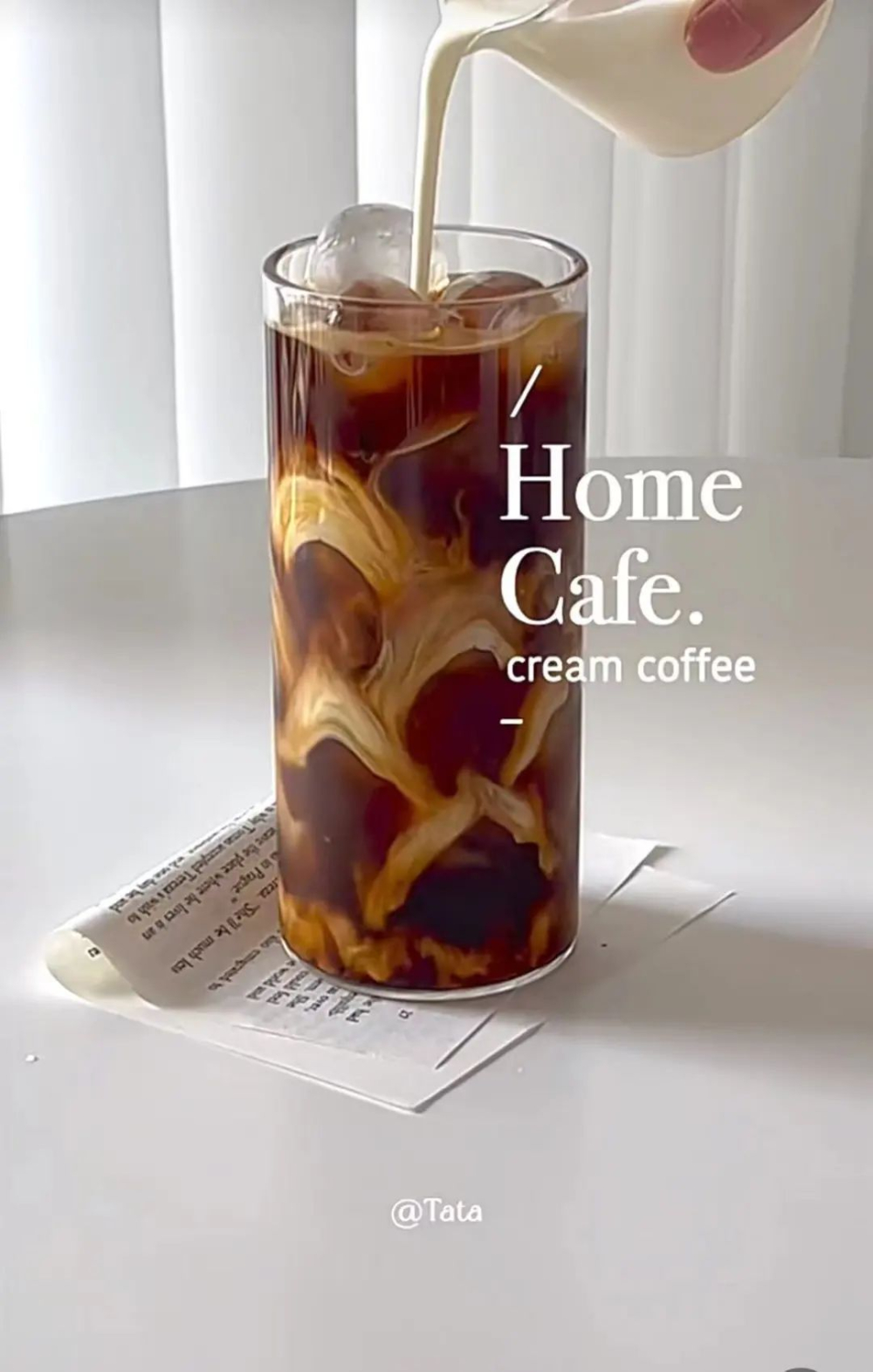
Even more interestingly, some creators have pushed boundaries by introducing unconventional combinations such as “Iced Guangdong-style” (herbal tea with ice), iced americano infused with traditional Chinese medicine like Huoxiang Zhengqi, or even extracting coffee mixed with heat-clearing teas. While these “extreme” recipes grab attention, it’s advisable for general consumers to try them cautiously based on personal tolerance.
The widespread attention that homemade coffee has garnered stems from multiple factors. First, the pandemic altered people’s lifestyles and consumption habits, leading more individuals to buy coffee beans or coffee concentrates online and brew at home. Second, homemade coffee is relatively inexpensive, typically costing around 5 to 10 RMB per cup, yet still delivering a satisfying experience comparable to café-brewed drinks, thus realizing what is called “coffee freedom.”
Moreover, an increasing number of young people enjoy hands-on DIY not just to save money but also because it allows them to fully control the flavor, strength, and ingredient ratios, crafting personalized beverages tailored to their taste. Additionally, the availability of convenient ready-to-use materials—such as ready-to-drink coffee liquids, cold-water-soluble instant freeze-dried coffee, cold brew packs, drip bags, and café-style coconut milk or oat milk—has significantly lowered the barrier to entry for homemade coffee.
The rise of homemade coffee has also indirectly offered insights for specialty cafés. Some operators admit that a 60-RMB café-style drink often outsells a same-priced single-origin estate coffee. For consumers, making coffee at home provides a more relaxed and stress-free way to get started, with simpler language and a more approachable process. However, this does not mean professionalism should be overlooked.
Cafés should still maintain their professional identity, offering sensory experiences distinct from home brewing—such as the barista’s technique, precise equipment control, and exploration of more diverse flavors. In fact, those who enjoy making coffee at home are often potential café customers who seek to enjoy unique professional brews in-store and gain deeper insight into the culture and craft behind the coffee.
The above content is compiled by CoffeeHunters, a coffee news website.


