







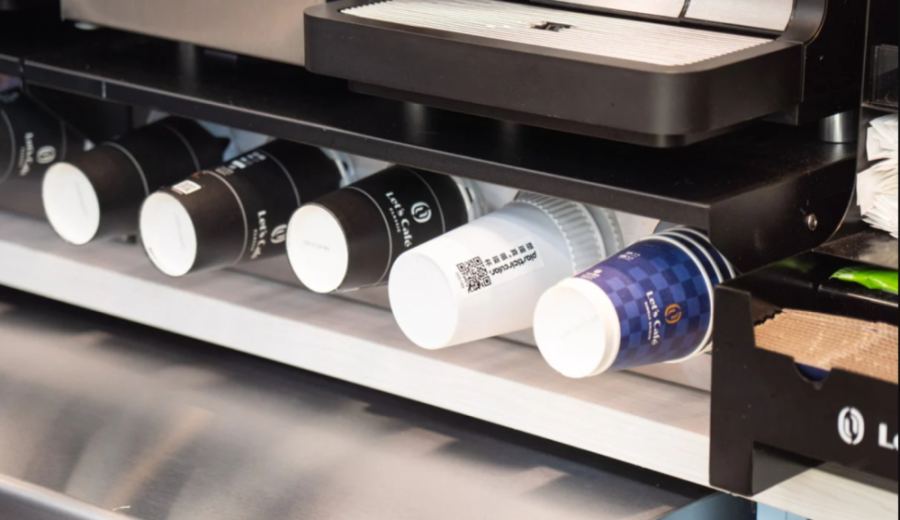
Introduction:As takeout coffee becomes increasingly popular, the environmental burden caused by disposable cups is growing more severe. From Starbucks’ “Borrow a Cup” program to FamilyMart in Taiwan rolling out a reusable cup system across 400 stores, major brands are experimenting with innovative ways to reduce plastic use. This article takes an in-depth look at how these plastic-reduction initiatives operate, their actual effectiveness, and the challenges they face, helping readers understand how everyday consumer choices can support a sustainable coffee culture.
Takeout coffee has become a staple of modern life, but the disposable cups that come with it are a major source of environmental pollution. As environmental awareness rises, the coffee industry has introduced various plastic-reduction measures, including upgrading packaging materials, reusing coffee grounds, eliminating plastic straws, and piloting discount programs for bringing your own cup and reusable cup systems. Recently, FamilyMart announced plans to expand the use of reusable cups in Taiwan, aiming to implement the system in 400 stores by the end of 2022—about one-tenth of its total number of stores in the country—making it the first major convenience store chain in East Asia to launch a large-scale reusable cup initiative.
For consumers who prefer not to use disposable cups but don’t have their own reusable ones, reusable cups offer a convenient and environmentally friendly alternative. Statistics show that FamilyMart’s stores in Taiwan use approximately 118 million disposable beverage cups each year. If just 1% of customers in 10% of those stores opt for reusable cups, around 100,000 fewer disposable cups would be used annually. If usage rates rise to 10%, the system could save up to 1 million cups per year, representing a significant reduction in plastic waste. The environmental benefits could be even greater if the program expands to all FamilyMart locations in Taiwan in the future.
FamilyMart, a Japanese brand founded in 1972, officially entered the Taiwanese market on August 18, 1988, through a joint venture between Japan’s FamilyMart and Taiwan’s Heyi Enterprise Group. It now operates over 4,000 stores in Taiwan. The launch of this reusable cup initiative reflects the company’s proactive approach to addressing environmental issues.
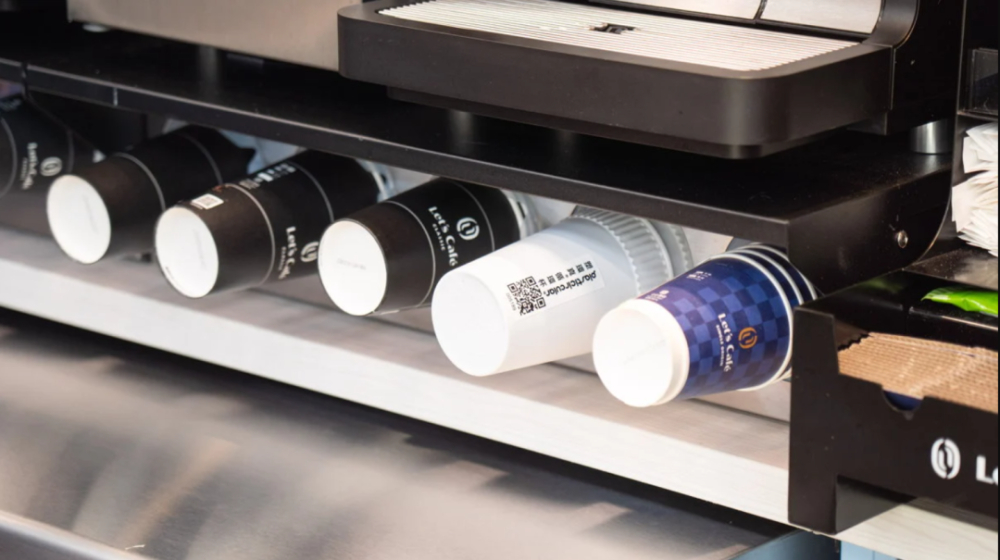
In addition to FamilyMart, international brands are also experimenting with reusable or rental cup systems. In 2021, Starbucks launched a two-month pilot “Borrow a Cup” program in its hometown of Seattle, USA. Under the program, customers who chose to use Starbucks’ disposable paper cups were required to pay a $1 deposit, which could be refunded upon returning the cup at designated store kiosks or via a pickup service. In addition to getting their deposit back, customers also earned 10 Starbucks Rewards stars. The returned cups were thoroughly cleaned and sanitized using commercial dishwashers before being reused in stores. If a customer chose not to return the cup, the deposit was not refunded, effectively treating it as a purchase.
In 2021, McDonald’s partnered with the reusable packaging platform Loop to pilot a reusable coffee cup program in select UK locations. Customers paid a deposit to use the cups and could return them to the store or designated Loop collection points after use. The cups were then cleaned and sanitized for reuse. This initiative not only reduced the use of single-use paper cups but also aligned with McDonald’s sustainability goal of reducing waste by 2030.
However, these reusable or rental cup models still face several challenges. Since most are made of paper, consumers have concerns about hygiene and health, particularly the psychological barrier of “sharing a cup with strangers,” which may affect market acceptance. Additionally, factors such as the cleaning process, disinfection standards, and the convenience of returning cups are key to the long-term viability of such programs.
Although these plastic-reduction measures are not yet widespread and some initiatives have met with lukewarm market responses, the willingness of major brands to invest resources in experimentation and refinement is a significant indicator for the sustainable transformation of the industry as a whole. Starting with the promotion of a single reusable cup, gradually changing consumer habits and environmental awareness may pave the way for more businesses to offer plastic-free or low-plastic options in the future, moving us closer to a truly plastic-free future.
The above content is compiled by CoffeeHunters, a coffee news website.


