







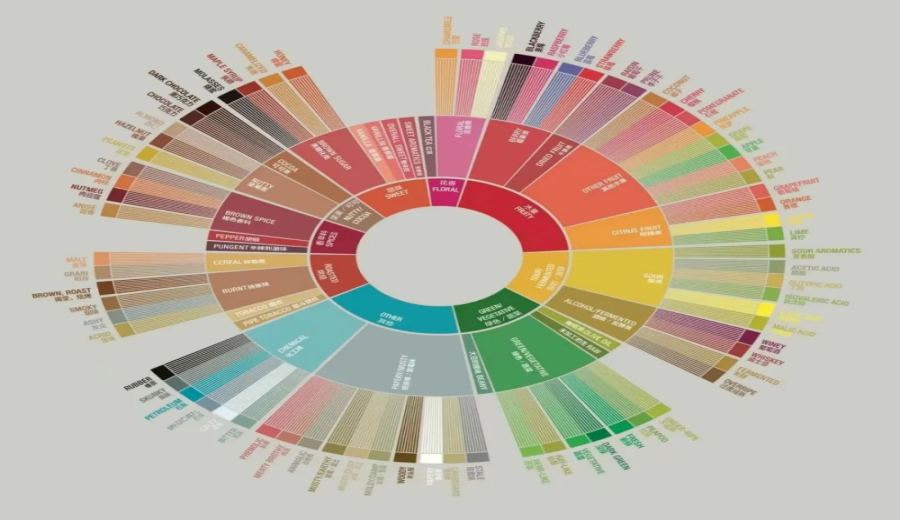
Introduction:Have you noticed that the flavor descriptions of most light-roast coffees almost always include the word "citrus"? This is no coincidence but closely related to the characteristics of their aromatic compounds and human sensory perception. This article delves into the scientific principles behind the citrusy notes in light-roast coffee beans, analyzes how key aromatic compounds influence taste experiences, and compares the performance of other fruit flavors in the cup—helping you more accurately identify and appreciate the subtle layers of coffee.
When browsing light-roast coffee beans with standard processing methods on major e-commerce platforms, it’s easy to see that their flavor tags almost always include an "orange"-related term—whether it’s "citrus," "orange," "lemon," or "grapefruit." Even if some products describe their initial flavors as floral or berry-like, they often end with a note of citrus. This phenomenon actually has both scientific and sensory psychological foundations.
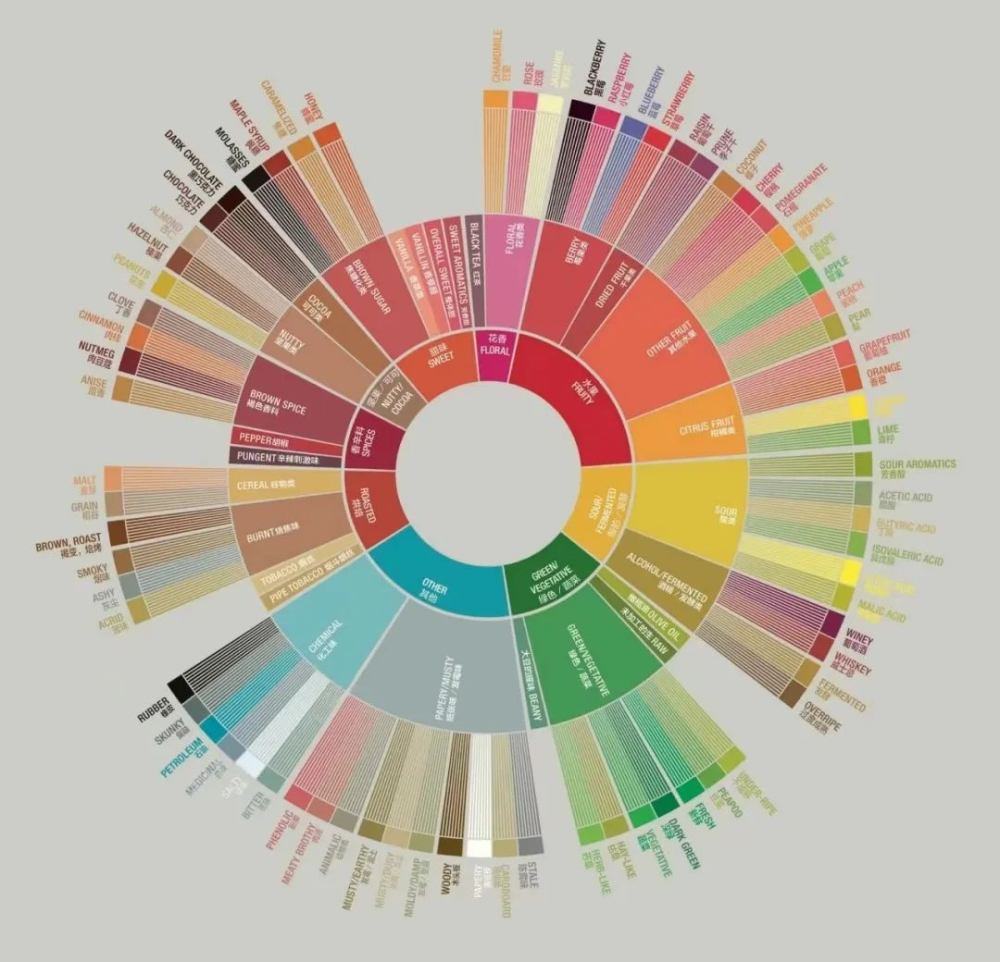
The reason citrus flavors have become representative of light-roast coffee lies first and foremost in their high public recognition and the strong penetrating power of their aroma. Citrus fruits are ubiquitous in daily life—not only are they affordable, but they are also part of many people’s taste memories from childhood. As a result, the acidic freshness of citrus is extremely familiar and easy to associate with for most people. Additionally, the aroma of citrus fruits is highly "assertive"; even without peeling the skin, one can smell a bright, fresh scent, primarily due to the high concentration of d-limonene in the peel—a monoterpene compound with a vivid citrusy note.
When you peel a citrus fruit and slightly squeeze the pulp, the juice releases a variety of volatile compounds, including alcohols, aldehydes, ketones, and esters—these are the main contributors to the fruit’s aroma. Interestingly, some light-roast coffee beans have also been found to contain relatively high concentrations of compounds such as decanol, n-hexanol, ethyl formate, and isopentenol, which in terms of smell and taste can evoke a fruity sensation similar to citrus.
The presentation of citrus flavors in coffee is often accompanied by bright acidity and a certain subtle astringency from the peel, which aligns well with the traits of some light-roast coffees that exhibit high acidity, brightness, and a refreshing mouthfeel. Therefore, even if the coffee you’re drinking doesn’t directly include any citrus elements, your brain may still associate it with citrus fruits first, due to the combined effects of acidity, aroma, and tactile sensation.

Of course, besides citrus, many other fruit flavors can also be found in coffee, such as apples, peaches, cherries, plums, and even strawberries and raspberries, which belong to the Rosaceae family. However, the aroma of these fruits typically does not present as directly or prominently in coffee as citrus does. This is related to their more complex aroma molecules, lower volatility, and greater susceptibility to being broken down or transformed during the roasting process. Unless enhanced through special processing methods, these fruit flavors are often difficult for average drinkers to clearly identify.
When actually tasting and evaluating coffee, we usually consider multiple factors comprehensively: the expression of acidity (such as the proportion of citric acid and malic acid), the balance of sweetness, and the layers of aroma (including nose-before and retronasal aromas after sipping). Citrus flavors stand out in all three aspects—their acidity is clear, sweetness is distinct, and aroma is easily captured—making them one of the most frequently mentioned and resonant flavors in light-roast coffee.
In summary, the frequent association of light-roast coffee with citrus is not just a trend in commercial labeling, but a clever intersection of aroma chemistry, roast level, and human sensory experience. Understanding these underlying principles will help you more precisely capture and appreciate the unique flavor layers when selecting and tasting light-roast coffee.
The above content is compiled by CoffeeHunters, a coffee news website.


