







Introduction:The same coffee beans can produce vastly different flavor profiles when brewed as pour over or cold brew—the key lies in extraction temperature. This article delves into the differences between high-temperature pour over, ice pour over, and low-temperature cold brew, explaining how water temperature affects the release sequence of acidity, sweetness, and bitterness. It also offers bean variety recommendations for different brewing methods, helping you choose the ideal coffee experience based on your taste preferences and seasonal needs.
Have you ever wondered why the same coffee beans can taste completely different when used for pour over versus cold brew? The secret lies in “extraction temperature.” High and low temperatures not only alter extraction speed but also directly influence the proportion of various flavor compounds dissolved from the coffee, thereby creating distinctly different taste and aroma profiles.
Pour over coffee typically uses hot water for extraction—whether it’s standard hot pour over or ice pour over, where ice is added to lower the temperature. Both methods extract coffee’s acidity, sweetness, and aroma quickly at relatively high water temperatures. Cold brew, on the other hand, opts for room temperature or cold water, extracting flavors slowly over a long period (usually 8 to 24 hours) at low temperatures, resulting in a cleaner, less bitter drinking experience.
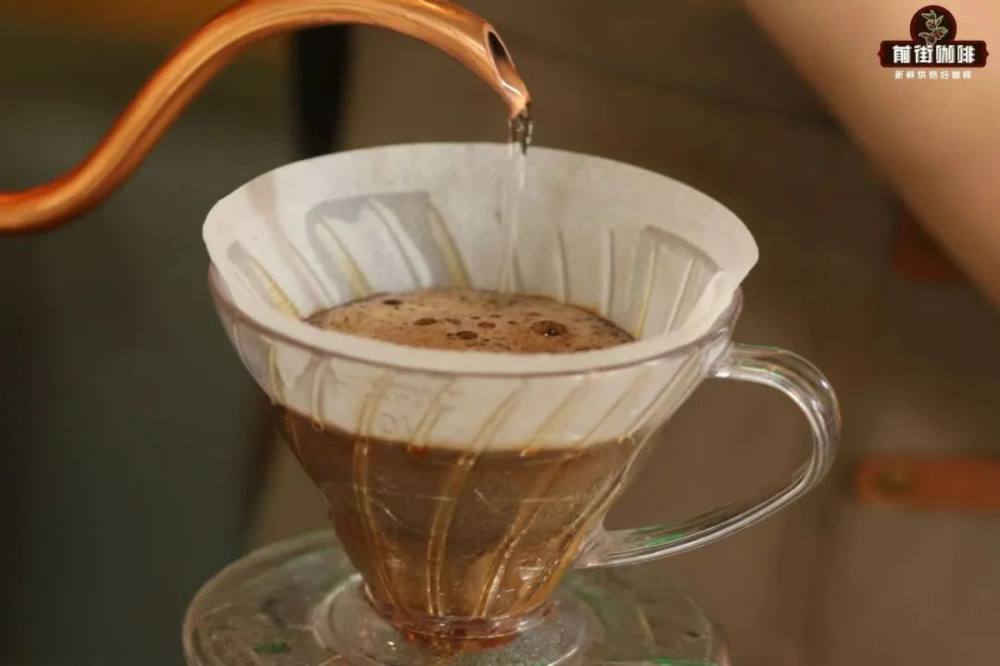
High-temperature pour over has high extraction efficiency, bringing out the coffee’s multi-layered flavors—bright fruit acids, clear floral notes, and rich sweetness—in a short time. However, these flavors often change rapidly as the temperature drops, so it’s best enjoyed immediately after brewing to experience its fullest expression. Ice pour over, by adjusting the coffee-to-water ratio and using ice to lower the temperature, retains some characteristics of hot pour over while offering a more nuanced, refreshing acidity and sweetness.
If you prefer a bright, clean taste, light to medium roast beans with distinct fruit acids and floral-fruity notes are your best bet. For example, those featuring berry and citrus acidity with a green tea aftertaste can shine in both pour over and ice pour over. If you lean toward richer sweetness, beans with medium roast levels that develop caramel and honey notes in the finish are a better match.
Cold brew, on the other hand, follows a completely different extraction philosophy. Coffee grounds are steeped in room temperature or cold water and left to slowly extract in the fridge. The low-temperature environment allows the coffee to gradually release its flavors. Thanks to the cooler water, the extraction of bitterness and stimulating compounds is greatly reduced, resulting in a smoother, cleaner-tasting drink with a hint of fermented freshness.
For a flavor comparison, we used a light-roast, washed-process Yirgacheffe bean “Guodingding” as an example, brewing it using hot pour over, cold brew, and ice pour over. The hot pour over version showcased a complete aroma profile—from jasmine and honey sweetness in the front, to lemon-citrus acidity in the middle, to green tea aftertaste in the back—offering a different surprise with each sip. As the temperature dropped, the flavors continued to evolve, demonstrating remarkable flavor persistence.
The cold brew version of Guodingding, after prolonged steeping, had more subdued aromas but delivered a soft berry and citrus acidity upon tasting. The overall mouthfeel was refreshing with an iced fruit tea-like character. However, compared to hot pour over, its flavor layers were simpler, though it excelled in smoothness and was well-suited for summer drinking.
Ice pour over combined the characteristics of high water temperature and ice cooling. With finer grind size and longer contact time, it extracted a more concentrated coffee liquor. Though its overall flavor wasn’t as rich as hot pour over, it retained distinct acidity and sweetness. Enhanced by the ice, the mouthfeel became even more refreshing and invigorating, making it ideal for coffee lovers who enjoy cold drinks but don’t want to sacrifice depth of flavor.
At different temperatures, the release rates of various compounds in coffee vary significantly. For instance, small-molecule substances like fruit acids dissolve first at high temperatures, followed by molecules that bring sweetness, and finally larger molecules that cause bitterness. Therefore, high-temperature pour over can quickly bring out rich aromas and layers, but it also requires precise control of extraction time and water temperature to avoid over-extraction, which can lead to prominent bitterness.
Conversely, low temperatures greatly reduce the efficiency of bitter compound extraction, necessitating longer brewing times to achieve a full-bodied flavor. However, low-temperature water molecules are less active, and even with extended time, they struggle to release the complex aromas of coffee as effectively as high temperatures. This is why cold brew often lacks the intense aroma richness of hot pour over, and may fall slightly short in body and layered complexity.
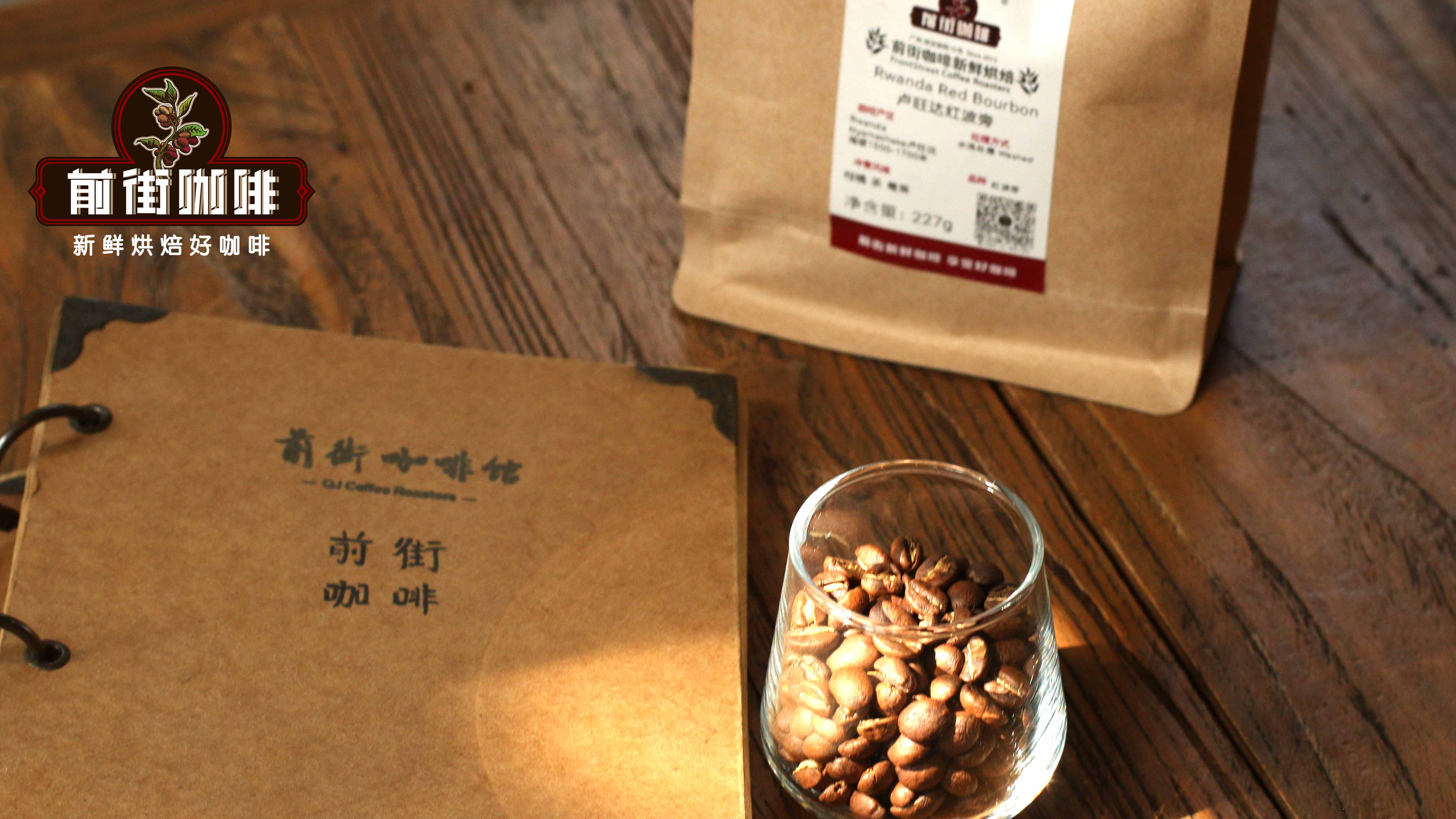
Selecting suitable beans for pour over and cold brew is also an art. Generally, medium to light roasted beans with clear fruity and floral notes are better suited for cold brew. Darker roasts, which tend to release excessive roasted and bitter notes at high temperatures, can also result in overly monotonous or even off-flavored profiles in the cold brew environment if not handled properly.
If you’d like your home coffee beans to serve both pour over and cold brew needs, opt for varieties with distinctive flavor profiles and special processing methods—such as those with wine-like, caramel-sweet, or fruity notes. These beans not only exhibit rich aroma layers at high temperatures but also present unique characteristics in cold extraction, allowing you to easily enjoy diverse coffee experiences at home.
The above content is compiled by CoffeeHunters, a coffee news website.


