







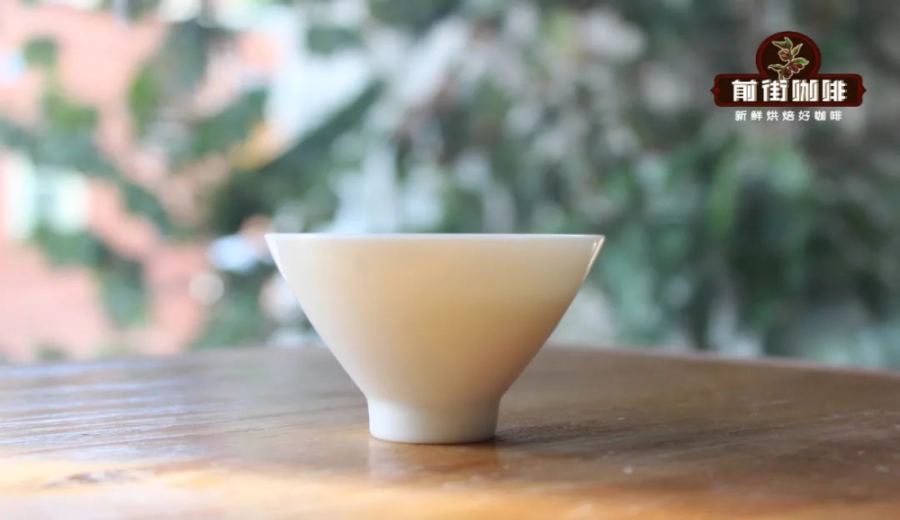
Introduction:Have you ever wondered if the shape of a pour over coffee cup’s rim can affect its final flavor profile? In fact, from wide-open, straight-sided, to tapered rims, different cup shapes can noticeably alter aroma release, acidity-sweetness balance, and overall mouthfeel. This article conducts practical tests using three classic cup types paired with Guatemala Gesha, Brazil Queen Estate, and Ethiopia Yirgacheffe Guji Dingding to deeply analyze how cup shapes guide the flow path and temperature changes of the coffee liquid, while also providing expert advice on selecting the right cup type based on a coffee’s flavor characteristics.
The charm of pour over coffee doesn’t just come from the beans themselves—even the cup you use can quietly alter the flavors you experience. Many coffee enthusiasts might not notice that the design of the cup rim—whether it’s a wide-open design, a straight-sided form, or a tapered inward shape—can influence how aromas disperse, the path the liquid takes, and even how well the temperature is retained in your mouth, thereby changing the balance of acidity, sweetness, and body.
To test this observation, we conducted comparative tastings of the same pour over coffee using three common cup types: wide-open cups (also called wide-rimmed cups), straight-sided cups, and tapered cups (also known as Luohan cups). The results showed that different cup shapes indeed lead to significant differences in overall flavor performance, including aroma intensity, brightness of acidity, and concentration of sweetness.
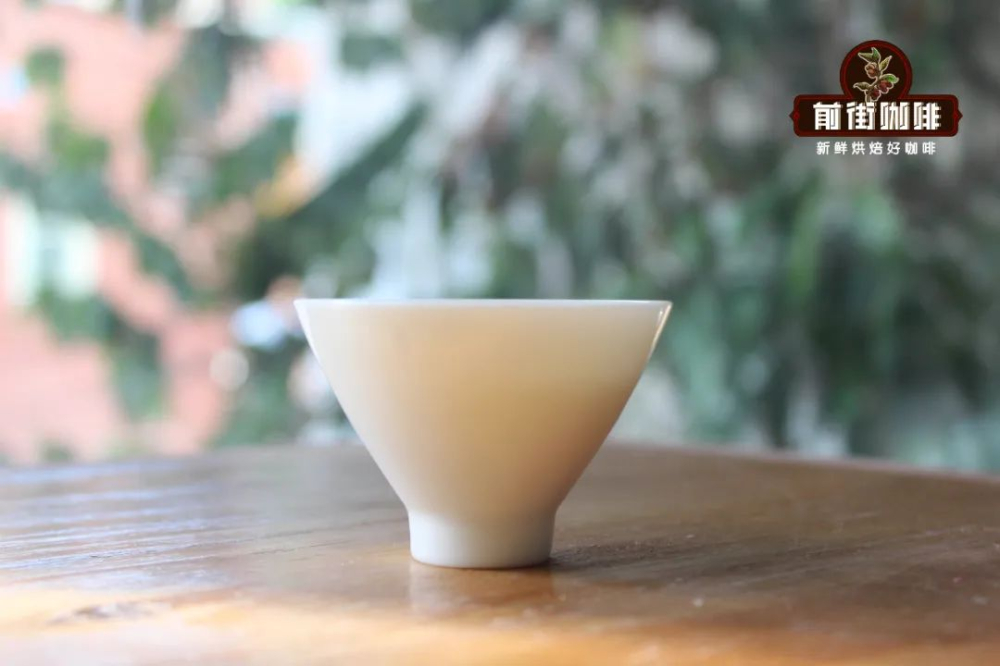
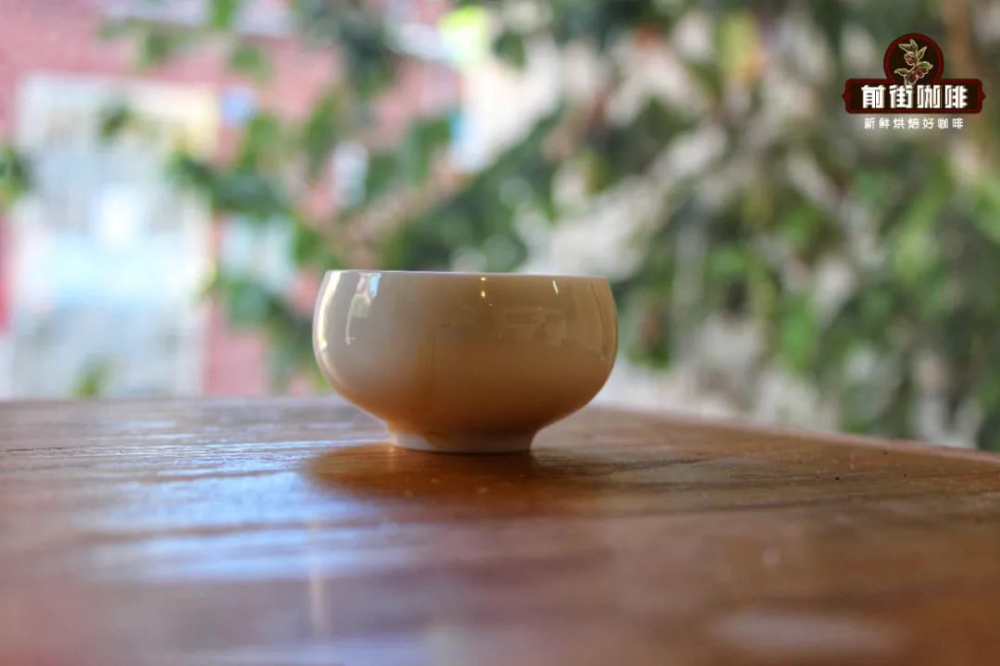
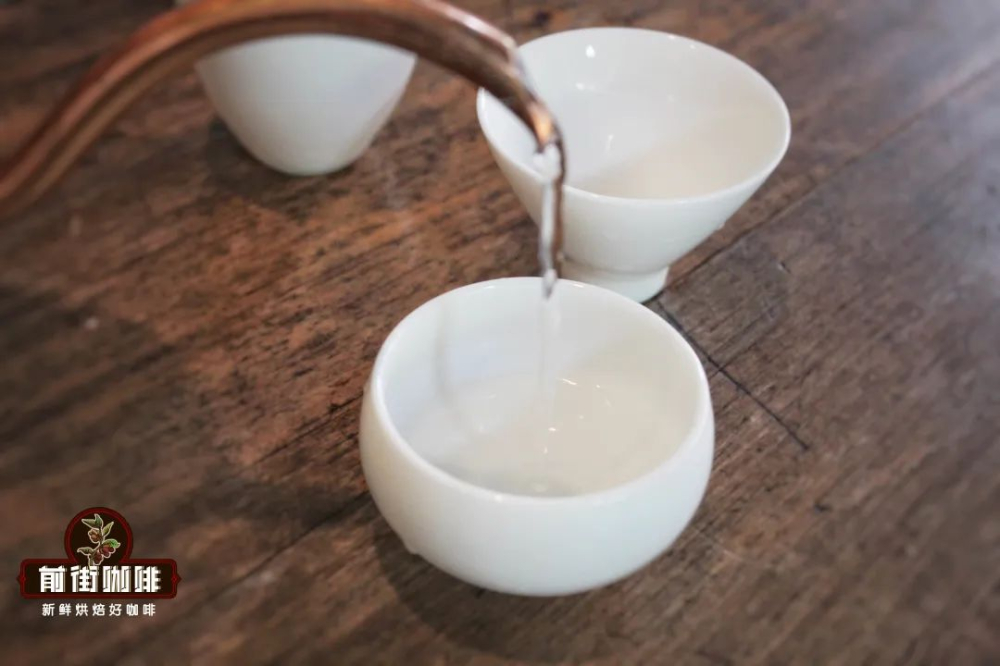
Commonly used pour over coffee cup shapes can be broadly divided into the following three categories: First, the wide-open cup, also known as a wide-rimmed cup, characterized by a large rim diameter and a body that flares outward at about 45 degrees from top to bottom, resembling an inverted bamboo hat. This design helps aromas dissipate quickly but may also lead to faster temperature loss. Second is the straight-sided cup, whose body-to-rim section is almost cylindrical, tapering slightly at the base. This shape directs coffee liquid toward the tongue, making it suitable for experiencing rich flavors at medium to high temperatures. Lastly, the tapered cup, also called a Luohan cup, features a slightly inward-curved rim and a gently outward bulging body, which helps concentrate aromas and allows the coffee liquid to spread more evenly across the front of the mouth.
For the practical tests, we selected three representative coffee beans: Guatemala La Belle Daylight Gesha, known for its floral and fruity notes; Brazil Queen Estate, which features low acidity and a full body; and Ethiopia Yirgacheffe Guji Dingding, noted for its bright acidity. We used consistent brewing parameters: 15g coffee grounds, 1:15 coffee-to-water ratio, 91°C water temperature, medium-fine grind (78% extraction rate according to Chinese standard sieve), and a three-stage extraction method to ensure that variables were limited to differences in cup shape.
During the aroma stage, the tapered cup exhibited the richest layers of aroma, with clear perceptions of roasted nuts, tropical fruits, and soft floral notes. The straight-sided cup wasn’t as aromatic as the tapered one, but still maintained a solid base of nuts and fruit. The wide-open cup had the lightest aroma, directly related to its open design which does not trap aromas effectively.
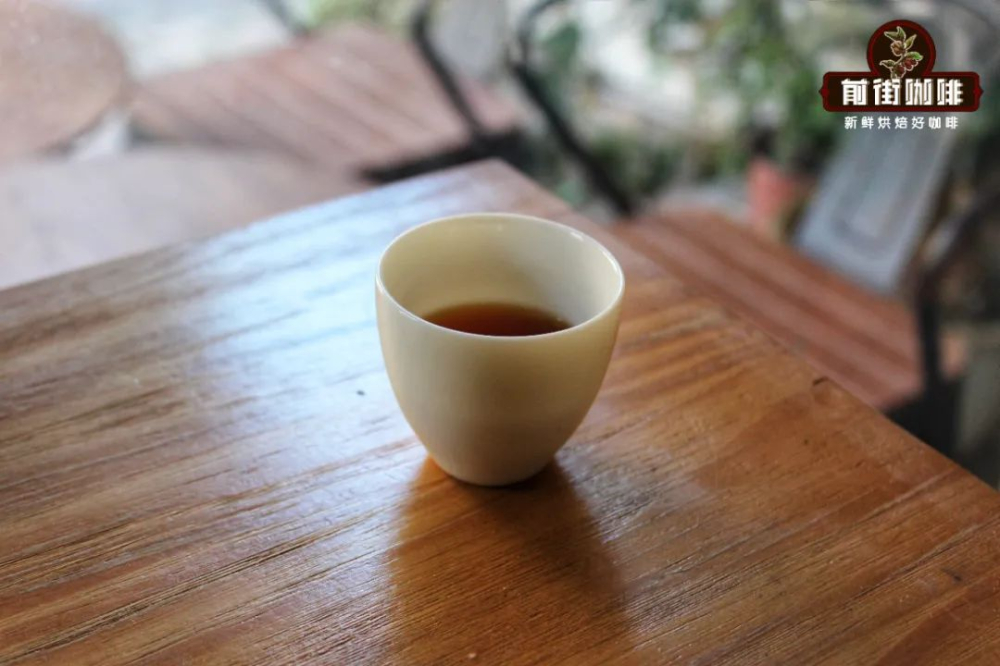
At high temperatures, the straight-sided cup delivered the most robust and full-bodied taste, with distinct and solid berry-like acidity and sweetness. The wide-open cup highlighted acidity more prominently, accompanied by a slight tea-like quality, making it suitable for those who prefer a refreshing acidity. The tapered cup excelled in sweetness, giving the overall taste a smoother and rounder feel. As the temperature dropped, the wide-open cup still retained noticeable acidity, showing the longest-lasting acidity among the three cups. The tapered cup’s overall flavor became noticeably weaker, while the straight-sided cup remained relatively stable with little change in flavor profile.
So why do cup shapes have such a significant impact on coffee flavor? The key lies in the distribution of taste receptors on the human tongue: the tip is most sensitive to sweetness, the sides primarily detect acidity, and the back is the main area for bitterness. The wide-open cup, due to its large rim and greater contact area between the coffee liquid and air, causes the liquid to enter the mouth more dispersedly, first touching the tip and sides of the tongue, thereby making acidity and sweetness more easily perceived—but also potentially highlighting unwanted off-notes in bitter coffees. Additionally, the wide-open cup does not trap aromas well, so its aroma performance is usually weaker, and the coffee cools down faster, resulting in clear but fleeting flavor layers.
In contrast, the straight-sided cup, with its moderate opening and straight-body design, allows coffee liquid to flow more directly into the middle of the mouth, delivering a more direct impact on the taste buds—especially showcasing a richer and fuller flavor at medium to high temperatures. Its longer body cools more slowly, helping maintain flavor stability, making it suitable for sipping coffees with prominent aromas.
The tapered cup, with its inward-curved rim and outward-bulging body, requires the drinker to slightly tilt the cup and open their mouth wider, allowing the coffee liquid to spread more evenly across the front of the mouth, similar to a sipping motion. This design helps release aromas across the wider part of the cup before gathering them at the rim, significantly improving aroma capture. At medium to high temperatures, the tapered cup allows all flavors to be more balanced, especially enhancing the coffee’s viscosity and body, performing exceptionally well with bitter coffees—but it may appear less layered and thinner in mouthfeel for acidic coffees.
For different flavor profiles of coffee beans, it is recommended to pair them according to cup shape characteristics: If you’re brewing a bright, acidic light roast such as Yirgacheffe or Kenya, choosing a wide-open cup can enhance flavor layering and highlight the vibrant fruit acidity. For dark roast, bitter coffees known for their body and aftertaste—such as Golden Mandheling or Blue Mountain series—a tapered cup can better concentrate aromas and extend sweetness and body experience. If your coffee beans have particularly outstanding aromas, such as the Musician Series Mozart, Rose Valley, or Flower Moon Night, the thermal retention of a straight-sided cup helps delay aroma dissipation, keeping the flavor lasting and stable.
In summary, cup shape is not just a matter of personal aesthetics or habit—it is one of the key factors influencing the overall flavor performance of pour over coffee. From aroma release to acidity-sweetness balance, to the richness and layering of mouthfeel, every detail can vary depending on the design of the cup rim. It is recommended that coffee enthusiasts try comparing different cup types at home to find the one that best highlights the unique characteristics of your coffee beans, further enhancing the depth and enjoyment of your pour over experience.
The above content is compiled by CoffeeHunters, a coffee news website.


