







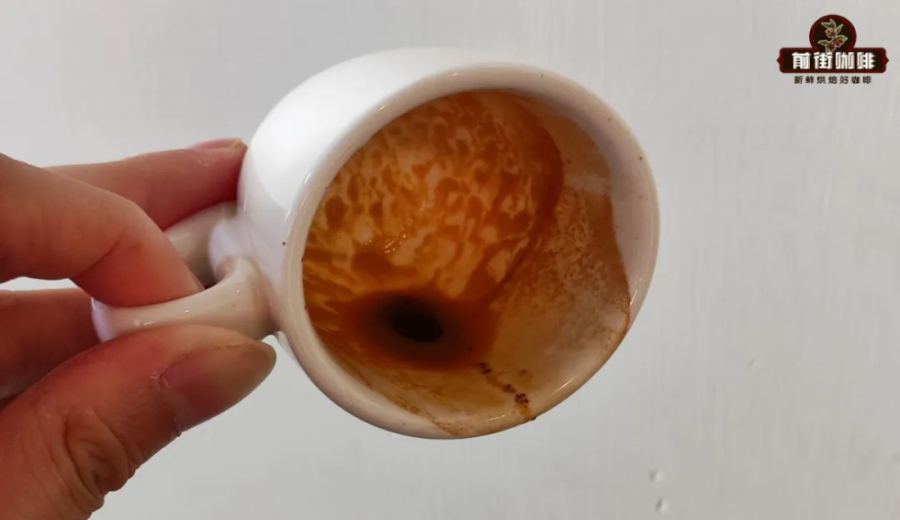
Introduction:Many coffee drinkers notice black sediment at the bottom of their espresso cup after it has settled and often worry that the extraction has failed. In reality, this is a common occurrence where extremely fine coffee particles pass through the holes in the portafilter basket and fall into the cup—especially hard to avoid when using metal filters. This article delves into the scientific principles behind the formation of fines, their relationship with crema, and offers practical advice such as adjusting grind size and maintaining the portafilter basket, helping you determine when to tweak parameters while eliminating concerns about coffee quality.
When you enjoy a freshly extracted shot of espresso and notice tiny black particles settled at the bottom, don’t immediately assume there’s an extraction issue. In most cases, this phenomenon is perfectly normal—the sediment is simply extremely fine coffee particles that have passed through the fine mesh of the portafilter basket, typically settling at the bottom after the coffee has rested for about 3 to 5 minutes.
The key to understanding this phenomenon lies in grasping how espresso extraction works. Unlike drip coffee made with paper filters, espresso machines use metal baskets with tiny holes around 50 to 100 micrometers in diameter (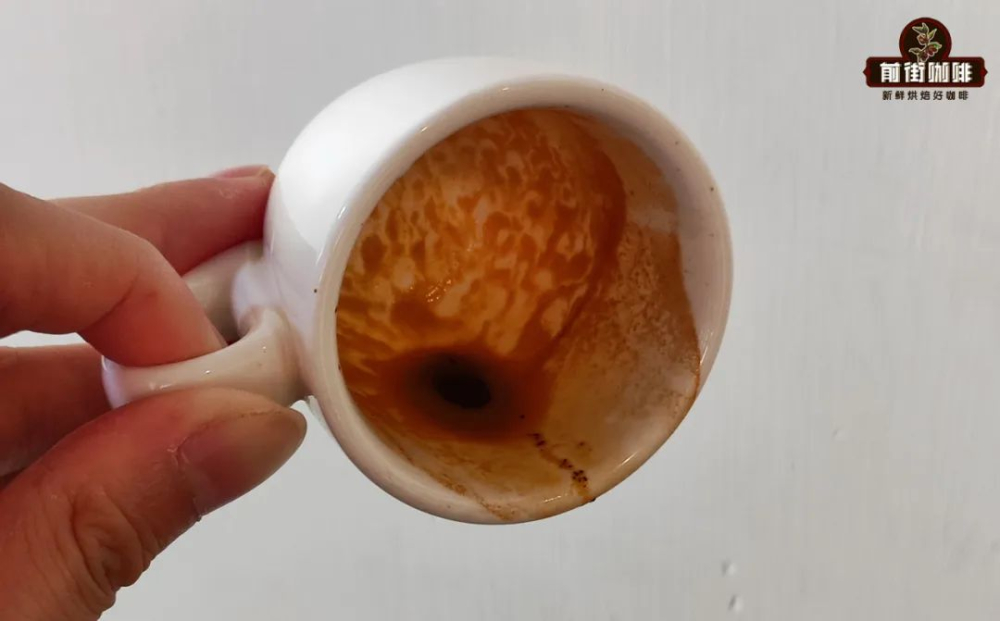 ). Under the high pressure of up to 9 bars, although most coffee particles are effectively filtered out, a very small amount of ultra-fine particles smaller than these holes can still pass through with the liquid—this is an inherent characteristic of physical filtration.
These passing fines often mix with coffee crema to form what is known as “tiger-stripe crema”—black streaks floating within the golden crema layer, which from a distance resemble tiger stripes. It’s worth noting that the appearance of tiger-stripe crema is neither a defect nor an absolute indicator of high quality; it merely reflects the coexistence of crema and fines. As the coffee rests or cools, the crema dissipates, making the fines more visibly deposited at the bottom.
If you’ve recently noticed a significant increase in the amount of fines, a few practical factors may be involved: First, fines usually take about 4 to 5 minutes to fully settle—if consumed quickly, most of them will enter your mouth along with the espresso, especially when sipping directly from the shot, where you might hardly notice them. Larger drinks like Americanos, due to longer drinking times and gentler sipping, make the bottom sediment more noticeable.
An overly fine grind setting is one common cause. Using a standard 1:2 brew ratio (e.g., 20 grams of coffee grounds yielding 40 ml of espresso) and a 30-second extraction time as a baseline, if the grind size is adjusted to 1.7 (finer than the usual 2.0), the system will automatically increase the contact area between coffee and water to maintain the same extraction time, resulting in more fines. In practice, an overly fine grind not only increases the risk of fines passing through but can also lead to over-extraction bitterness or channeling.
Another potential cause is deformation of the portafilter basket’s holes due to prolonged exposure to high temperature and pressure. Portafilter baskets used frequently (over 20 extractions per day) for 1 to 2 years may experience localized expansion of their stainless steel holes due to metal fatigue (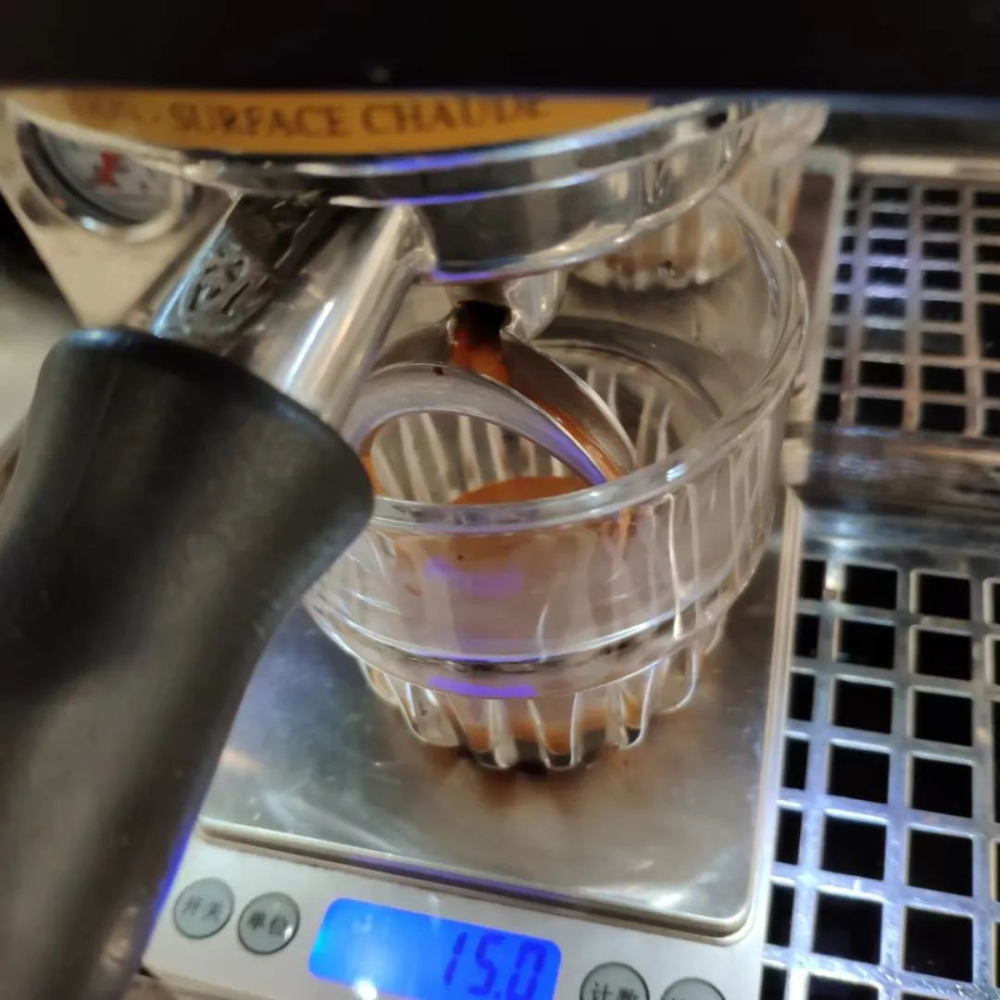 ). A simple way to check is by holding the basket under bright light—the normal holes should appear as uniform dots of light. If you notice any areas where the light appears significantly diffused, it might be time to consider replacing the basket.
To address the issue of fines, a step-by-step adjustment strategy is recommended: first, confirm whether the grinder setting is too fine (try adjusting it coarser by 0.1 to 0.2), and check if the tamping pressure is even (recommend 30 to 40 pounds of pressure). If no improvement is seen after these adjustments, you can temporarily switch to a double-layer filter or use the puck-lifting technique to reduce fines passing through. For routine maintenance, thoroughly clean the portafilter basket after each use to prevent buildup of coffee oils that could affect hole function, and inspect the holes every six months using specialized cleaning tools.
The above content is compiled by CoffeeHunters, a coffee news website.


