








Introduction:Want to understand the charm of Spain’s classic small milk coffee, the Cortado? Originating from the Basque region, this coffee achieves a rich yet smooth unique flavor with a golden 1:1 ratio of espresso to hot milk. This article delves into the origins of the name Cortado, the logic behind its classic ratio, the interesting evolution of its milk foam, and compares it with the often-confused Piccolo, helping you grasp the essence and differences of this balanced milk coffee.
In the diverse world of espresso, Espresso is like the base color on a palette, capable of extending into countless variations. Among them, the Cortado (also known as Cortado or Cortadito), born in Spain’s Basque region, is a classic representative that skillfully balances the intense characteristics of espresso with precise proportions. This small cup drink "cuts" the sharp bitterness of espresso with an equal amount of hot milk, yet always keeps the aroma of the coffee itself as the star. Compared to the similarly mini-sized Piccolo coffee, the Cortado retains a more distinct coffee character, with milk serving only as a supporting role.
So what exactly is a Cortado? Its name comes from the Spanish verb 'cortar' (meaning to cut or to soften), vividly describing how adding appropriately tempered milk softens the intense taste of espresso while fully preserving the rich texture unique to dark-roasted beans. The traditional Basque method strictly follows a 1:1 ratio — a single or double shot blend of espresso (about 40 grams of extracted liquid / 45 ml) paired with an equal amount of fresh milk heated to 55-60°C, ultimately resulting in a balanced drink of about 90 ml.
In the early days, before latte art became popular, Cortados typically had no milk foam or only a very small amount of naturally occurring thin foam. This is because the heating process inevitably produces tiny bubbles when milk comes into contact with the steam wand, which is normal. With the trend toward visual presentation in specialty coffee, modern versions often come with a delicate thin layer of foam to facilitate simple artistic designs. But observing the structure in the cup can still help distinguish: the Cortado has fundamental differences from the similarly looking Piccolo.
Taking a common 90 ml drink cup as an example, a traditional Cortado uses a double shot of espresso (about 45 ml of extracted liquid) paired with 45 ml of lightly foamed hot milk; whereas the Piccolo uses a single shot of Ristretto (about 15 ml of espresso) with 75 ml of milk. This key parameter difference directly impacts flavor performance — with a higher proportion of coffee liquid, the Cortado offers a fuller body and a clear cocoa-like aftertaste, making it suitable for those who seek the essence of espresso but also want to soften its acidity and bitterness.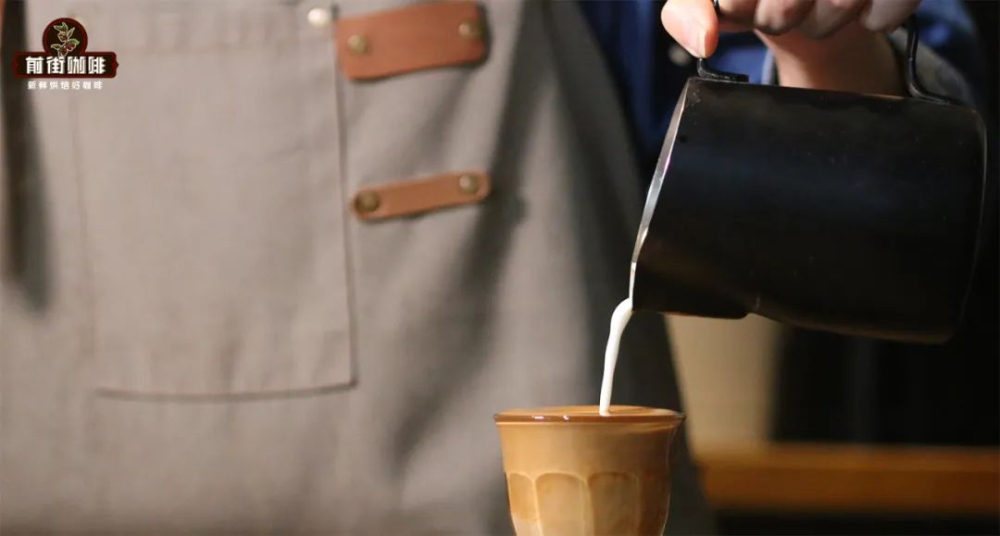
It’s worth noting that some cafes may adjust the milk temperature to 65°C to enhance sweetness, but going above 70°C can cause the subtle aromatic compounds in the espresso to evaporate. For home replication, it’s recommended to use a medium or small glass cup to better observe the layering transition. If you enjoy tweaking your espresso with a bit of milk to balance the flavor, you’ve actually touched on the core spirit of the Cortado — this kind of flexible and adaptive brewing wisdom is exactly what makes espresso so fascinating.
The above content is compiled by CoffeeHunters, a coffee news website.


