







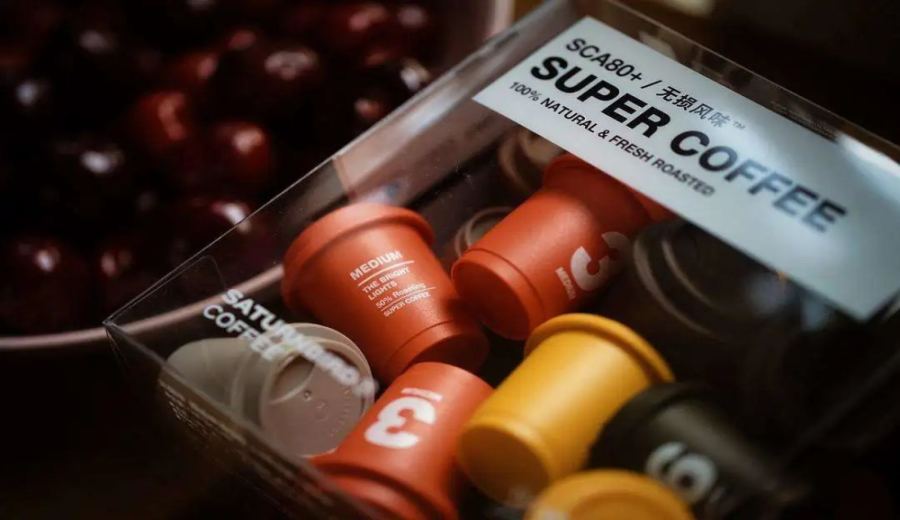
Introduction:This 20-month-long lawsuit concluded with the Hangzhou Intermediate People’s Court ruling that “Colorful Mystery” must pay 1.73 million yuan in compensation and cease sales of infringing products for imitating the signature mini coffee cup packaging of Saturnbird Coffee. This article delves into the details of the case, explores the blurry line between imitation and originality in the food industry, and offers practical legal avenues for brand protection.
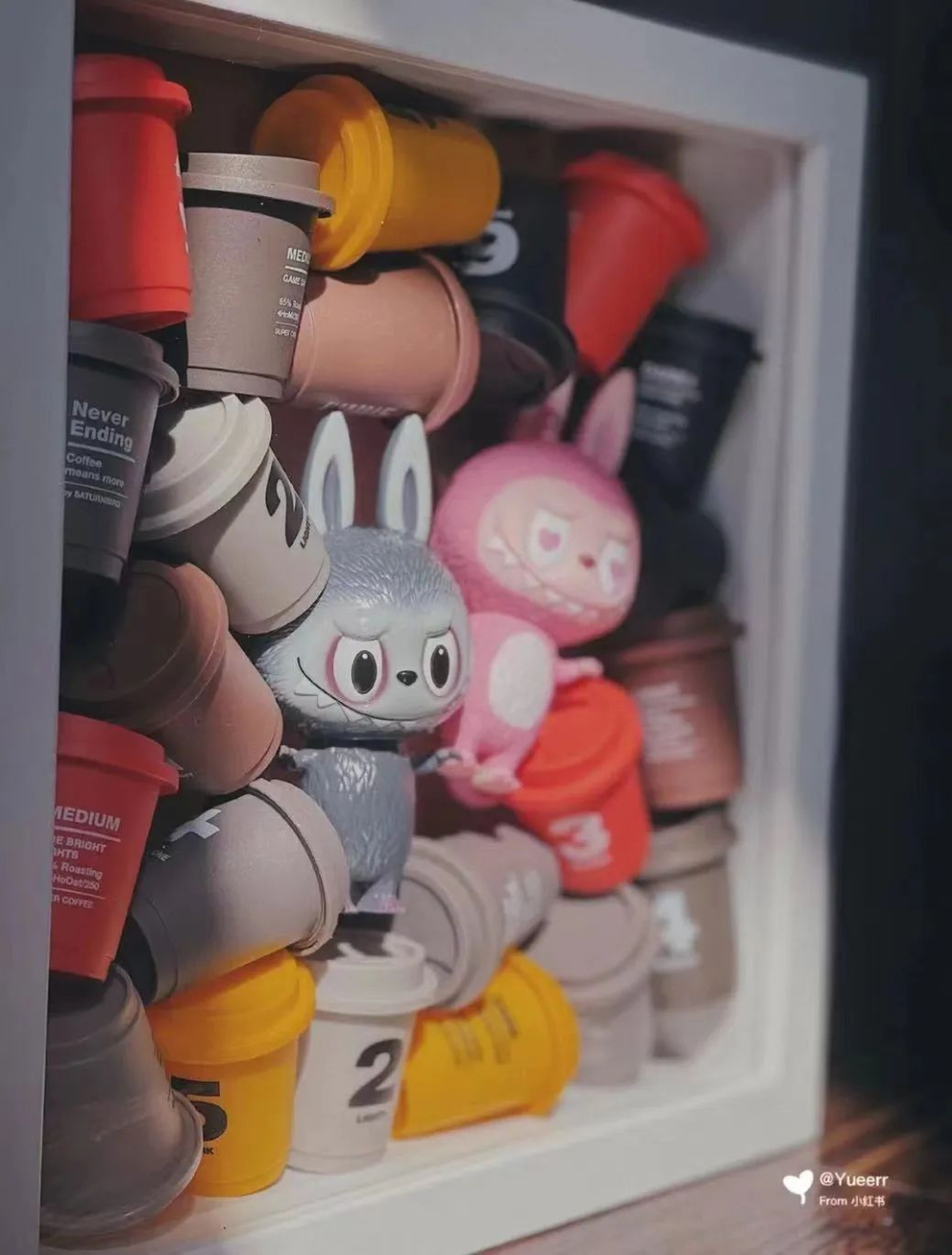
In recent years, Saturnbird Coffee has gained immense popularity among young consumers thanks to its iconic mini coffee cup design and ultra-instant technology. The distinctive packaging not only boasts high “photo potential,” but also inspired a wave of DIY and secondary creations—from mini potted plants to home decor—further boosting the brand’s visibility. However, as the brand’s market success grew, so did the wave of counterfeits.
Recently, the Hangzhou Intermediate People’s Court in Zhejiang Province issued a ruling on a 20-month-long lawsuit, finding that the “Colorful Mystery” brand had closely mimicked Saturnbird Coffee in packaging style, product appearance, and promotional materials, constituting unfair competition and ordering it to pay1.73 million yuanand immediately halt the production and sale of infringing products. This case highlights the challenges and difficulties in safeguarding intellectual property rights in the food industry.
It was revealed that “Colorful Mystery” not only closely replicated Saturnbird’s product design, but also used search keywords such as “same as Saturnbird” which led consumers searching for the genuine product to pages of counterfeit goods, further exacerbating market confusion. Saturnbird initiated legal action on December 29, 2020, and only secured the victory on September 2, 2023.
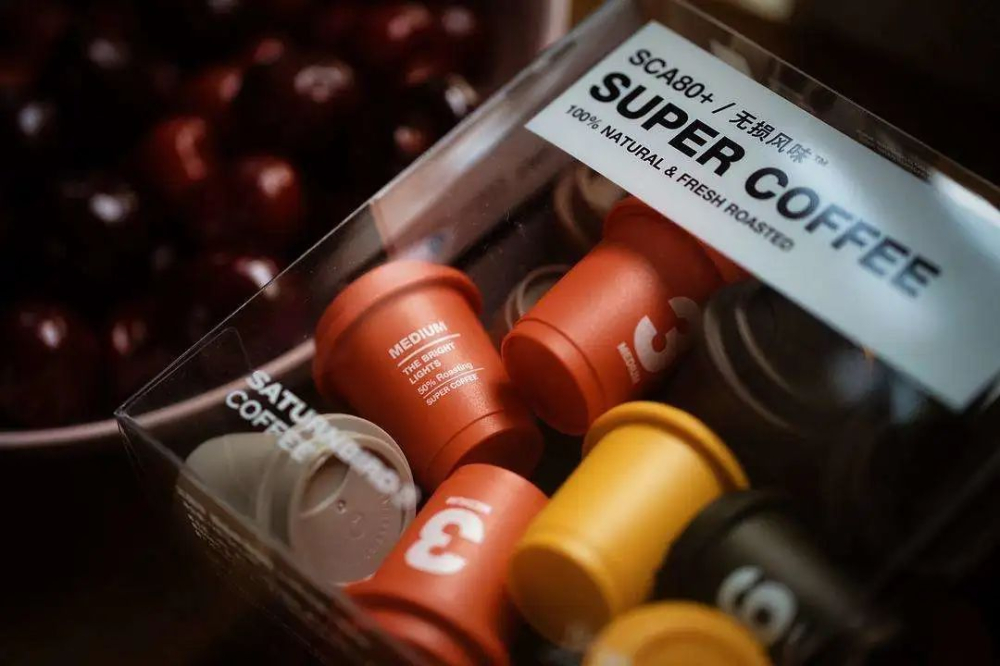
Experts point out that while the market has no shortage of products stylistically similar to Saturnbird, the degree of imitation by “Colorful Mystery” far exceeds the bounds of reasonable inspiration. From packaging shape and color schemes to marketing methods, the similarities with Saturnbird’s products are so significant that they can easily mislead the average consumer. The food industry has long faced ambiguities in the definitions of copyright, patent, and trademark rights, leading many original brands to stay silent when facing counterfeits.
Faced with counterfeiting, original brands can protect their rights through various legal channels. If a design is original, it is recommended to apply forcopyright, patent, or trademark rightsin advance, so there is legal ground to stand on in the event of infringement. If those rights have not been secured, but it can be proven that counterfeit products cause consumer confusion, one can also seek redress under the “imitation and confusion” provisions in the Anti-Unfair Competition Law.
This case is not an isolated incident. The widely discussed “Cha Yan Yue Se vs Cha Yan Guan Se” lawsuit at the end of last year similarly revealed the challenges original brands face when confronting market imitations. In these cases, courts ultimately ruled that the infringing parties must bear legal responsibility, offering some legal protection to original brands.
Industry insiders caution that the line between imitation and inspiration is often blurred, but when design elements are wholly copied and sufficiently misleading to consumers, it may constitute infringement. Original brands should not turn a blind eye to counterfeiting. Actively defending one’s rights is not only a necessary measure to protect one’s own interests, but also a commitment to consumers and supporters.
The above content is compiled by CoffeeHunters, a coffee news website.


