







Introduction:Starbucks has officially launched its 6,000th store in Shanghai, China, marking the city as the first in the world to surpass 1,000 Starbucks outlets. This article delves into the market strategy, product approach, and pricing positioning behind this milestone, and explores how Starbucks is responding to challenges from brands like Luckin and Manner in a fiercely competitive environment, as well as the emerging three-tiered market structure.
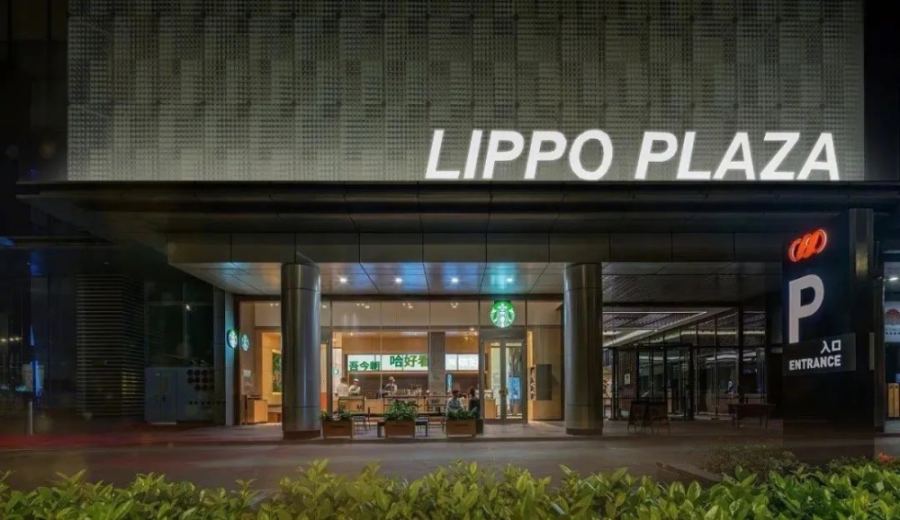
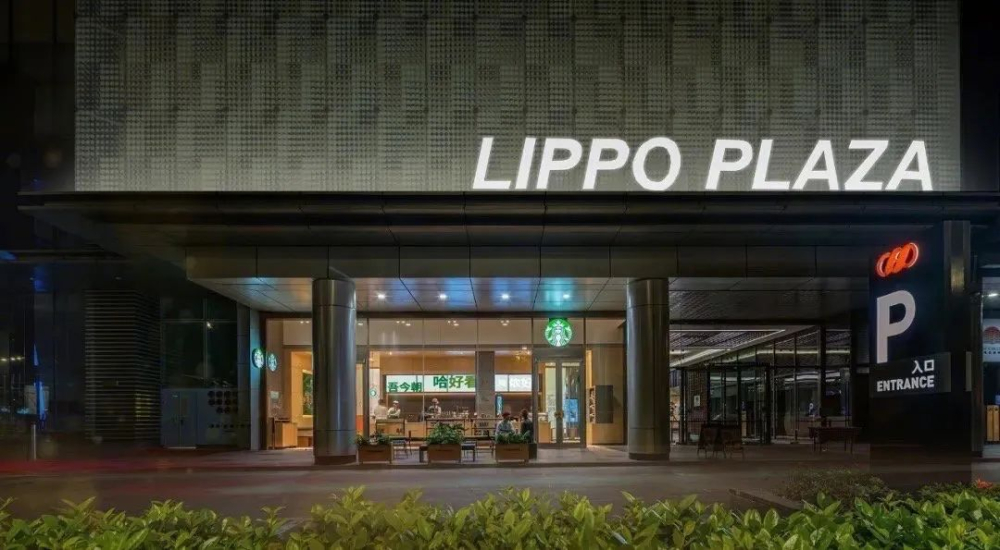
Starbucks China recently opened its 6,000th store on the Chinese mainland at Lippo Plaza on Huaihai Road in Shanghai, which is also its 1,000th store in Shanghai, making the city the first in the world to have over 1,000 Starbucks locations. This landmark store not only reinterprets the brand’s “Third Place” philosophy but has also been certified as a Green Store, showcasing Starbucks’ efforts in sustainability and digital operations.
The store’s design is centered around the theme of “returning to our roots while looking to the future,” featuring a bright and cheerful interior style infused with eco-friendly and artistic elements. Notably, the store displays a “wall of cups” composed of various city-limited editions, resembling a miniature museum of coffee culture, where each cup carries the history and memories of Starbucks in different cities. In addition, artworks created on recycled green aprons, paired with Starbucks’ iconic mermaid logo, create a brand atmosphere that is both familiar and refreshingly new.
To celebrate the opening of the 6,000th store, Starbucks has collaborated with IP SHANGHAI to launch a limited-edition beverage called “Shanghai Coffee.” Inspired by Shanghai’s unique Haipai culture, the drink officially hit the market on September 28. This beverage intricately captures the essence of Shanghai from taste to presentation: the first sip brings a texture reminiscent of the once-popular thick malted milk; the second layer blends buttery notes with the flavor of toasted caramel in a scotch foam; finally, a carefully extracted shot of espresso highlights the soul and depth of the overall flavor.
According to Starbucks’ 2025 China Strategy Vision, the brand plans to open 3,000 new stores over the next three years, with an average of one new store opening every nine hours, aiming to increase its total number of stores in China to 9,000, covering 300 cities. At the same time, Starbucks will also expand its existing 2,500 “Starbucks Delivers” locations (such as coffee vending machines or kiosks in office buildings and hotels) to 5,000, further penetrating consumers’ daily environments.
Currently, China’s coffee market has gradually formed a competitive landscape of three tiers. The first tier includes national chain brands such as Starbucks, Luckin, and Manner, which dominate the market with their large-scale store presence and brand influence; the second tier consists of regional chain brands that have a certain level of influence locally; the third tier is made up of a large number of independent coffee shops or individual operators, which, although smaller in scale, are highly distinctive and have strong community engagement.
It is worth noting that Luckin Coffee currently has over 7,000 stores, surpassing Starbucks in number and demonstrating strong market competitiveness. In terms of product pricing, among the 84 beverages currently offered by Starbucks, only 9 are priced below 30 yuan, with high-priced products accounting for as much as 89%, and most items exceeding 30 yuan. In comparison, brands like Luckin and Manner mostly cluster around the 20-yuan price range, and coffee products launched by tea beverage brands also generally remain within a similar price bracket, making them more accessible to the mass consumer market.
As the market continues to penetrate lower-tier regions, tea beverage brands such as Nayuki and Heytea, which originally focused on the premium market, have adjusted their strategies in the first half of this year by lowering the prices of their main products to below 20 yuan and announcing that they will no longer launch new products priced in the “30-yuan range,” reflecting an overall consumer trend toward greater value for money. In response to these market changes, Starbucks stated that it will continue to innovate in products and customer experience, striving to meet coffee needs across various consumption scenarios and further solidify its position in the market.
The above content is compiled by CoffeeHunters, a coffee news website.


