







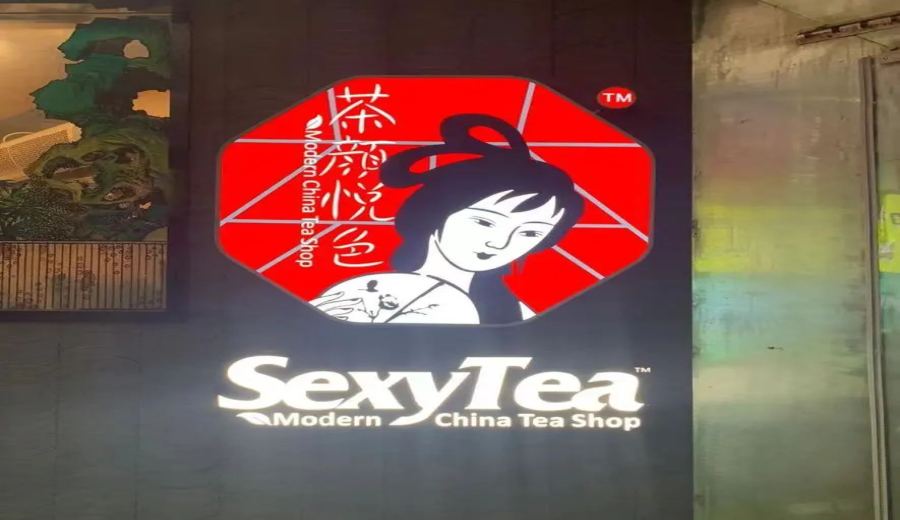
Introduction:The use of the English signage 'SexyTea' at the new branch of Nanjing's Cha Yan Yue Se has sparked widespread online discussion, with consumers debating its alignment with the brand’s classic image and the choice of wording. This article outlines the background of the incident, various viewpoints, and official responses, exploring the balance between branding strategies and public perception to help you better understand the cultural adaptation considerations in commercial signage design.
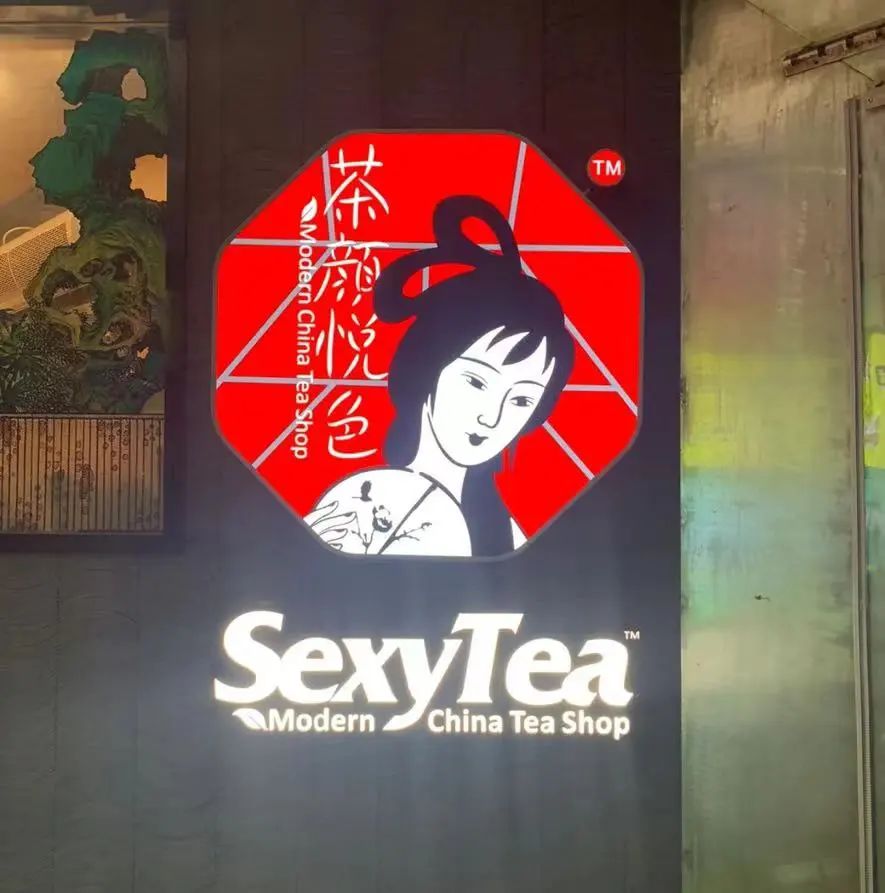
Recently, the third Nanjing outlet of Cha Yan Yue Se used the English signage 'SexyTea', quickly becoming a focal point of online debate. The brand is known for its iconic image of a graceful, classic Chinese woman paired with a traditional Chinese interior design style. However, the use of an English word carrying connotations of 'sexiness' has led some consumers to question its harmony with the brand image.
The core of the controversy lies in the multiple meanings of the word 'Sexy'. While in English it can mean 'charming' or 'attractive', it more commonly evokes associations with 'sexiness' or even 'pornography'. For a brand primarily focused on traditional Chinese tea beverages, this choice of wording presents a stark contrast with the traditional aesthetic style the brand promotes — especially when the store’s décor emphasizes classical charm, making the English signage feel particularly out of place.
It is worth noting that this is not the first time Cha Yan Yue Se has faced public scrutiny. In February 2021, the brand was criticized for objectifying women in product packaging copy that read, 'There are many beautiful girls who buy milk tea. If you happen to know one, you can quietly tell our little partners that I picked up a whole basket.' The brand subsequently issued an apology and recalled the related products. This latest English signage controversy once again shines a spotlight on the cultural sensitivity of the brand’s marketing language.
From the perspective of trademark registration, records show that there was once an application for the 'SEXYTEA' trademark, but it is currently invalid. The rejection review decision from the National Intellectual Property Administration pointed out that 'SEXY' translates to 'sexy' or 'pornographic', carrying unhealthy and lowbrow connotations. It could easily create negative social impact in service categories such as teahouses, violating trademark regulations. Moreover, the company affiliated with Cha Yan Yue Se has not registered this English signage.
Staff from Nanjing’s market supervision authorities stated that determining whether advertisements or trademarks are in violation during enforcement involves subjectivity. If the language or imagery is likely to provoke vulgar associations or negative impressions, businesses should proactively make corrections. Currently, the 'SexyTea' signage bears a TM mark, indicating the brand has prior use rights, but its legal compliance remains a matter of debate.
Consumer opinions are sharply divided. Opponents argue that although 'Sexy' may have positive interpretations, the brand could have chosen other more neutral or positive words (such as Charming Tea). The current choice is prone to misunderstanding and does not align with the brand tone. Supporters, on the other hand, point out that the signage has been used for a long time and appears at other locations, and the TM mark proves its lawful usage — suggesting the criticism may be deliberate hype.
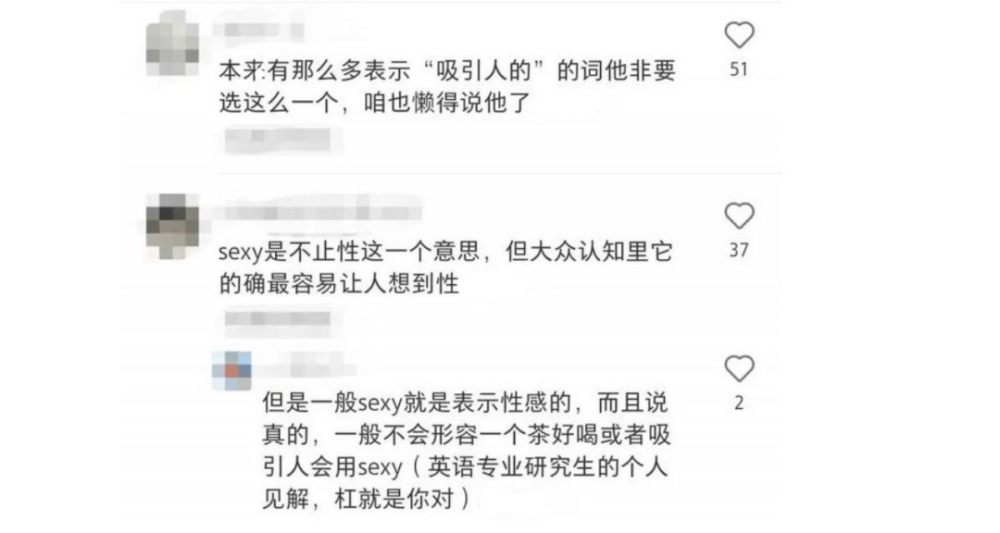
Customer service from Cha Yan Yue Se explained that the store name means 'charming', while the Qinhuai District Market Supervision Bureau responded by stating that the word is a neutral expression. This controversy reflects a common challenge in brand marketing: how to strike a balance between creative expression and public acceptance. Experts suggest that multinational brands or companies targeting diverse markets should fully consider cultural perception differences among target audiences when naming, avoiding damage to brand image due to linguistic ambiguity.
For professionals in the coffee and tea beverage industry, this case offers important insights: brand signage design is not just about visual aesthetics, but also involves multidimensional considerations such as linguistics and sociology. When selecting foreign language elements, beyond literal meanings, it is essential to evaluate their associative effects and potential controversy risks within specific cultural contexts.
The above content is compiled by CoffeeHunters, a coffee news website.


