







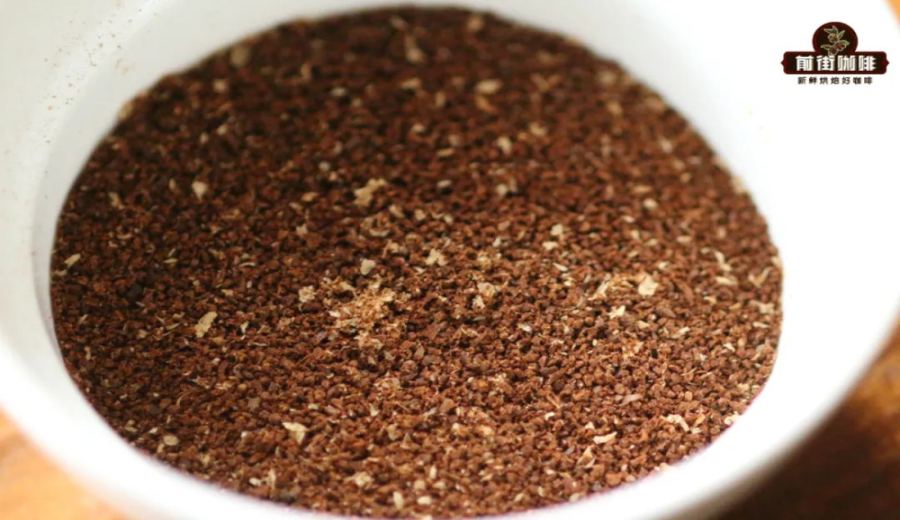
Introduction:The flavor profile of pour over coffee largely depends on the grind size of the coffee grounds. Too fine a grind can lead to over-extraction and bitterness, while too coarse may result in under-extraction and a weak flavor. This article delves into the relationship between grind size and extraction time, teaching you how to find the optimal balance through parameter adjustments, and also provides practical sieve calibration methods along with common pitfalls to avoid.
In the world of pour over coffee, grind size is one of the most difficult variables to control precisely. It not only determines the surface area contact between water and coffee grounds, but also directly affects the speed and uniformity of water penetration, ultimately reflected in the flavor layers in the cup. Grinding too fine often results in noticeable bitterness and astringency; conversely, grinding too coarse can make the overall taste flat and unremarkable.
Behind this difference lie two key mechanisms. First, when coffee is ground finer, the total surface area increases significantly, allowing water to penetrate the particle surface more quickly and reach the interior, thereby accelerating the extraction process. In contrast, coarser grinds have a smaller surface area and longer water penetration paths, requiring more time for adequate extraction. However, it’s important to note that if the coffee is ground too finely—close to a powder-like consistency—the particles can clump together, hindering water flow and reducing extraction efficiency.
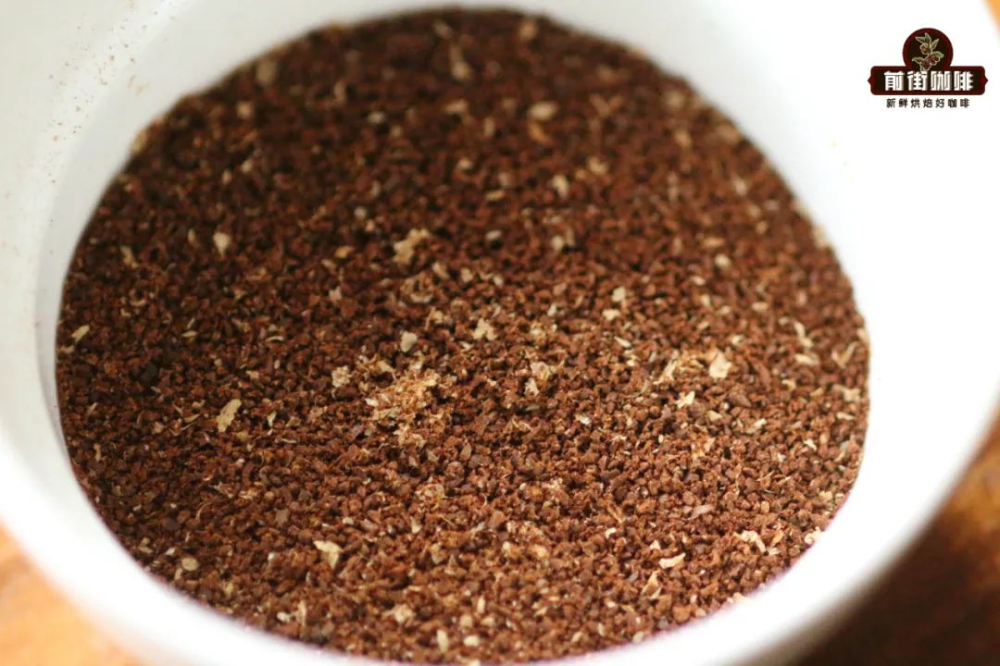
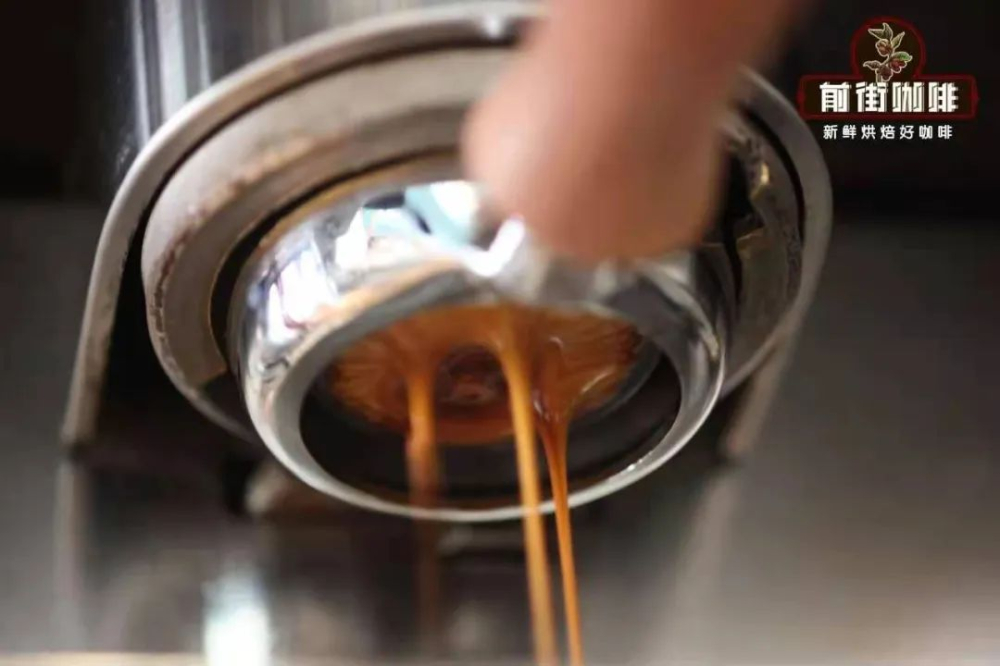
Another important factor is the resistance the coffee bed creates against the flow of water. During drip filtration brewing, coffee grounds not only participate in extraction but also act to slow down the rapid passage of water. This differs from the pressurized extraction of an espresso machine. Although both rely on water penetrating the coffee bed, pour over relies on gravity for natural filtration.
A simple way to judge whether the grind size is appropriate is by observing the extraction time. When the grind is set coarser, the gaps between coffee particles are larger, water encounters less resistance, and the overall extraction time is relatively shorter. Conversely, if the grind is too fine, the particles are densely packed, water penetration is difficult, and the required time is naturally extended.
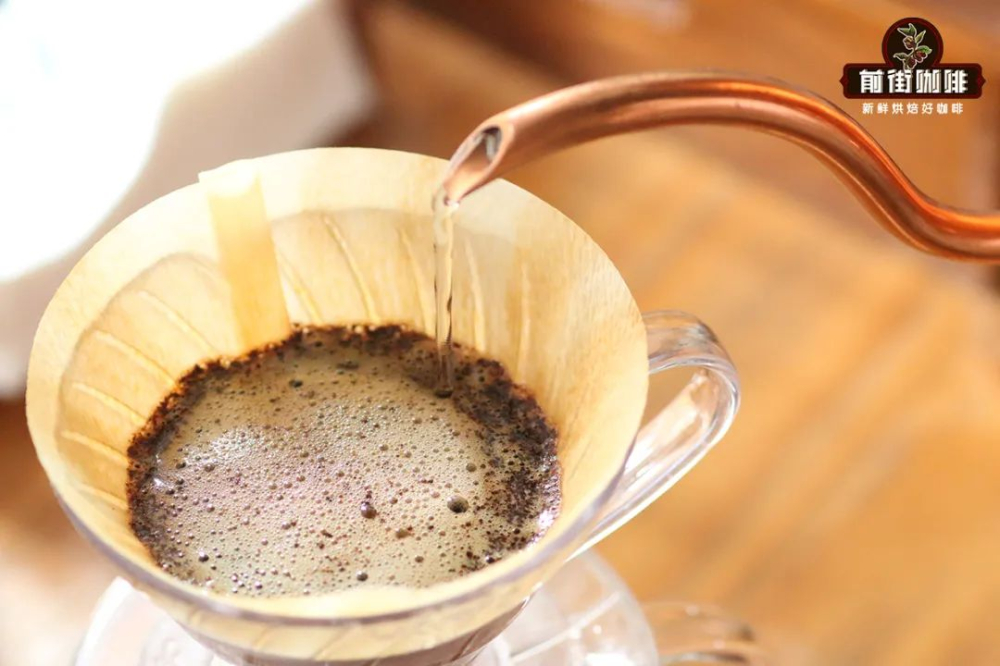
Taking actual pour over brewing as an example, when the coffee is ground finer, water can penetrate deeper into the particles to extract flavor compounds, while the resistance formed by the coffee bed also slows down the water flow, extending the contact time between coffee and water. This often leads to a final brew with a heavier bitter taste. On the other hand, if the grind is set too coarse, although water can pass through the bed more quickly, it can also cause some water to flow out without being fully extracted, resulting in a coffee that tastes thin and lacks complexity.
To verify the relationship between grind size and extraction time, it is essential to keep other parameters consistent, including the amount of coffee grounds (recommended 15 grams), the coffee-to-water ratio (1:15), the pouring method (three-pour method recommended), and the type of filter used (such as V60). Under these conditions, for light roasted coffee beans, it is suggested to calibrate using a No. 20 sieve, aiming for an 80% pass-through rate, which corresponds to a medium-fine grind size. The ideal extraction time should fall between 1 minute 50 seconds and 2 minutes 10 seconds.
In other words, when you follow all the above parameters exactly, using the same amount of coffee, ratio, technique, and grind setting, the extraction time should theoretically remain within the range of 1 minute 50 seconds to 2 minutes 10 seconds. If the actual extraction time deviates significantly from this range, the grind size is likely the key factor that needs adjustment, as the other parameters are relatively easier to identify and control.
Regarding sieve calibration, there are two common misconceptions to be aware of. The first is the method: it is recommended to take 10 grams of coffee beans (or a multiple of 10 for easier calculation—larger amounts yield more accurate data), grind them at the selected setting, pour the grounds into a No. 20 sieve, and gently shake it horizontally back and forth for about 3 to 5 minutes until no more significant particles fall through. Then weigh the coffee that has passed through the sieve and divide it by the total coffee weight to get the pass-through rate. For example, if 8 grams pass through, the rate is 80%; if it does not meet the standard, further adjust the grind to a finer setting and re-measure.
The second common issue is the limitation of the No. 20 sieve itself. With a hole diameter of 0.85 mm, it can only distinguish between coffee particles larger or smaller than this size, and cannot discern the specific distribution of the finest and coarsest particles. For high-quality grinders, the particle size distribution is relatively concentrated, with fewer coarse and fine particles, making the issue less pronounced. But if using an average-quality grinder, the particle size variation is greater, and even with an 80% pass-through rate, there may still be too many fine or coarse particles, affecting the actual extraction. In such cases, if the extraction time is abnormal, try adjusting the grind to a coarser setting to achieve about a 75% pass-through rate and observe whether the flavor improves.
Remember, data is just a reference—each coffee enthusiast's equipment, water quality, and taste preferences vary. What truly matters is understanding the principles behind these parameters and adjusting based on your own actual conditions, ultimately finding the brewing method that suits you best.
The above content is compiled by CoffeeHunters, a coffee news website.


