







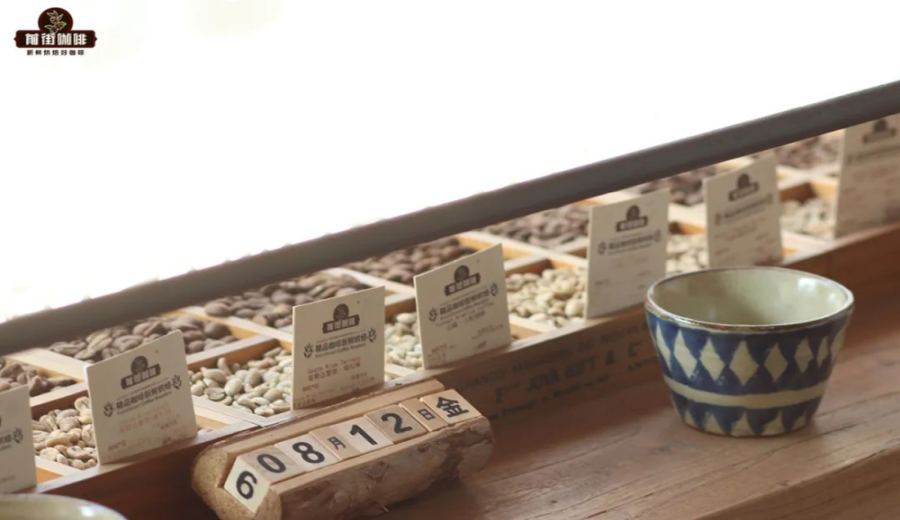
Introduction:Have you ever wondered how some coffee enthusiasts can effortlessly identify the variety of beans just by looking at their appearance? In fact, this ability comes from accumulated observations of the detailed physical characteristics of various Arabica varieties. This article will take you deep into the unique features of classic varieties such as Typica, Bourbon, and Geisha in terms of bean shape, size, and centerline. Through real-life photo comparisons, it will help you develop an intuitive “bean-to-variety” recognition skill. Additionally, it will reveal how Geisha Village Estate traces the historical origins of Gori Geisha and Geisha 1931 through plant morphology and cupping flavors.
In the world of coffee, although Arabica is the most popular variety, it can actually be further divided into many different types, such as Typica, Bourbon, SL28, SL34, Caturra, Catuai, and Geisha. These varieties not only vary greatly in flavor profiles but also exhibit subtle yet distinct differences in appearance. If you’ve ever encountered experts who can identify the variety of coffee beans at a glance, it’s because they are familiar with and have memorized these visual traits.
Training yourself to achieve “bean-to-variety” recognition is not difficult—the key lies in observation and comparison. You can start by examining the shape, size, color, and especially the morphology of the centerline of the beans, gradually building your own visual database. Next, we’ll use actual photos to analyze the visual characteristics of these common Arabica varieties one by one.
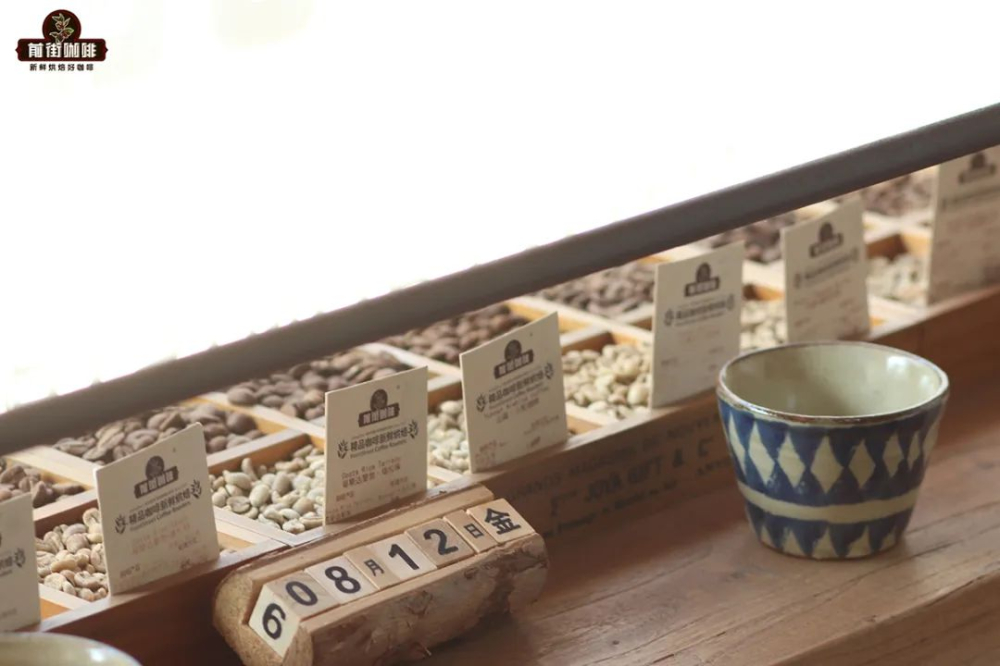
First up is Typica, one of the earliest and most widely cultivated Arabica varieties. Typica beans are usually elongated oval in shape, relatively large in size, with pointed ends, and have a slender S-shaped centerline. Their color tends to be green to light green. Visually, beans of this variety are often more “slender,” and it also serves as the original foundation for many other varieties.
Next is Bourbon, a variety that mutated from Typica, so it shares some visual similarities. However, Bourbon beans are generally slightly rounder than Typica, with a more compact particle structure. The centerline is also S-shaped, but the overall feel is plumper. The color of Bourbon beans is yellow-green, turning red when ripe, making them quite distinctive.
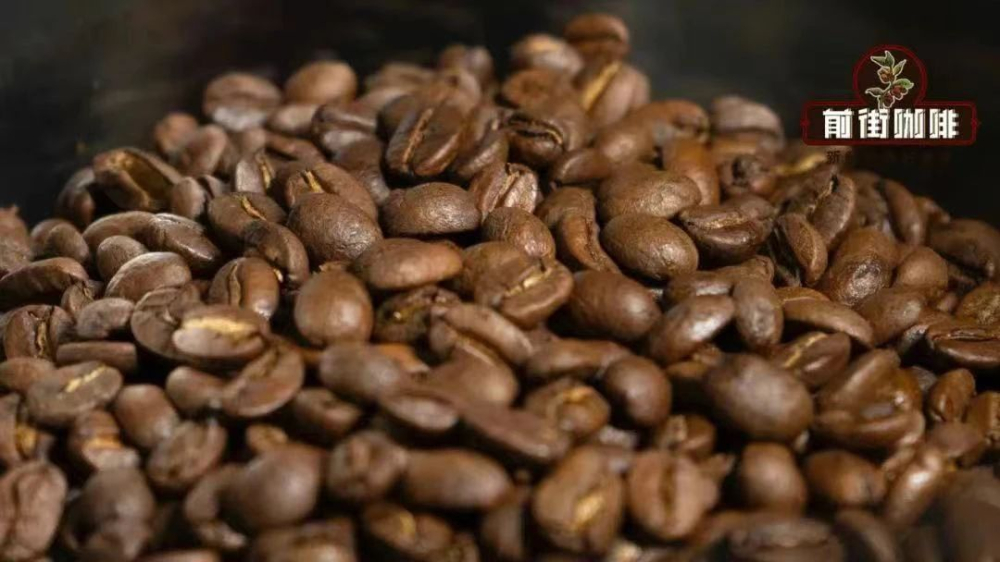
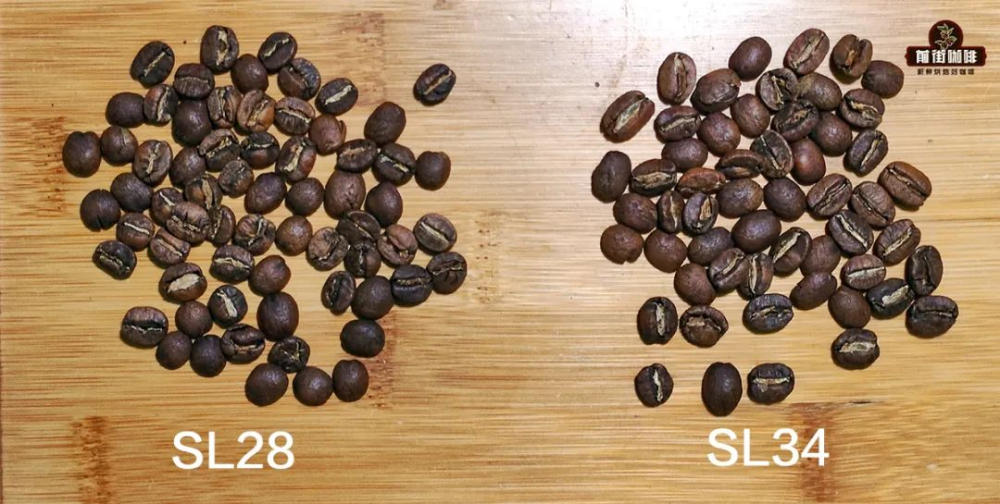
As for SL28 and SL34, both of these varieties originate from Kenya and are renowned for their bright acidity and rich flavors. Compared to typical Arabica beans, they are slightly smaller but still fall within the medium size range. They are somewhat round in shape, with an inconspicuous centerline, and their color is mostly dark green. Due to their strong sensory performance, many baristas particularly enjoy using them to produce high-quality pour over coffee.
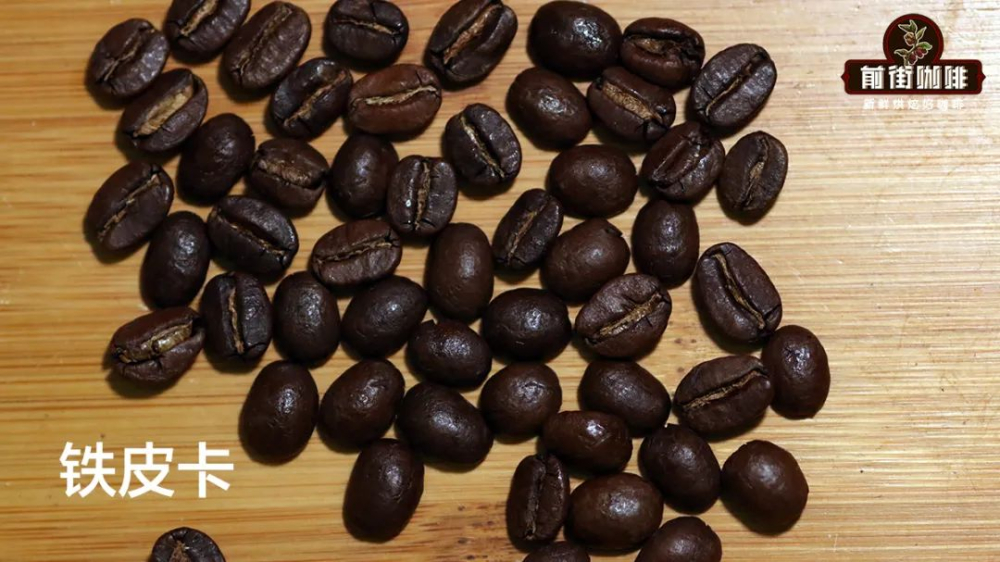
Next, let’s look at Caturra and Catuai. These two varieties were cultivated to improve yield and disease resistance. Caturra beans are similar to Bourbon but are overall smaller and rounder, with tightly packed particles and an S-shaped centerline. Catuai, on the other hand, is a hybrid of Caturra and Mundo Novo. Its beans are of medium size but more elliptical in shape, with a yellow-green color and sometimes featuring red fruit characteristics.
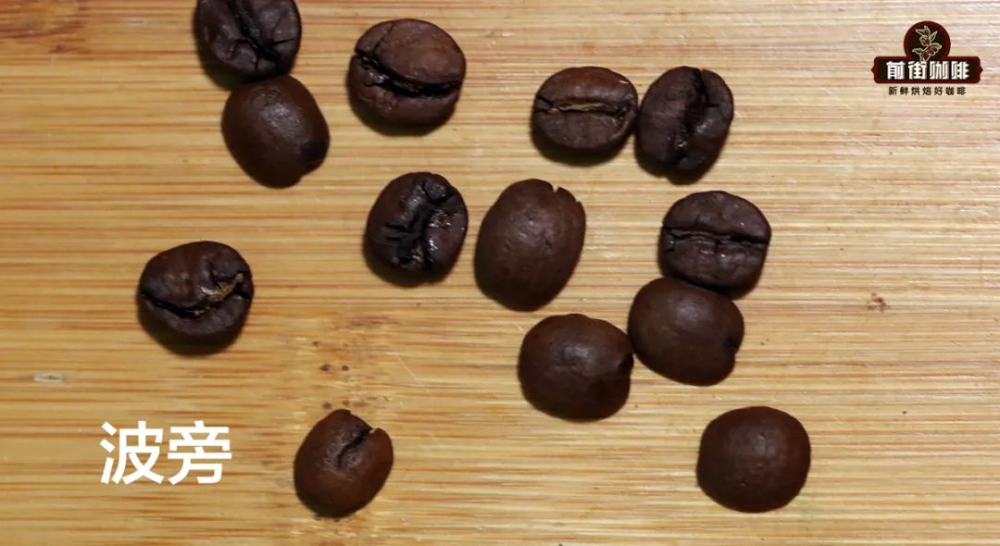
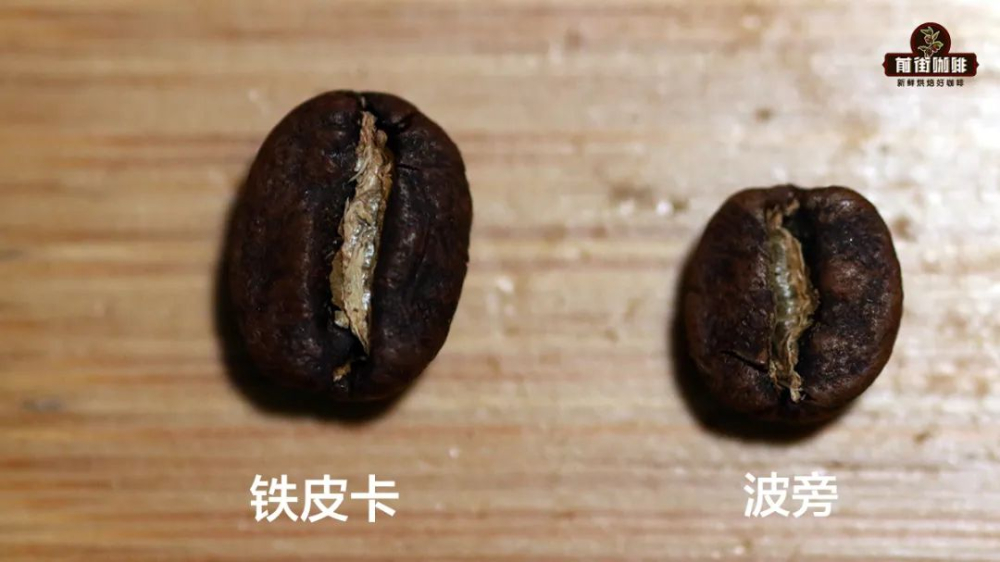
Finally, let’s examine the most talked-about Geisha variety. The visual characteristics of Geisha are quite unique: the beans are slightly elongated and somewhat curved, medium to large in size, with a clearly defined and straight S-shaped centerline. Their color is light green, sometimes with a slight sheen of silver skin. These features make Geisha visually distinct from other varieties.
Take Geisha Village Estate as an example. Their Gori Geisha and Geisha 1931 were successfully traced back to varieties similar to those of Panamanian Geisha through in-depth analysis of plant morphology, bean appearance, and cupping flavors—rather than relying solely on genetic testing. It is said that after reviewing historical records, the estate owner identified a place called Gori Geisha Forest, speculating that British explorers might have brought Geisha seeds from there, which were then further cultivated and selected to give rise to today’s Geisha 1931.

In summary, learning to identify coffee bean varieties by their appearance not only enhances your understanding of coffee but also helps you make more accurate judgments when selecting beans. Whether you’re a beginner just starting out or an experienced coffee enthusiast, observing the shape, size, and centerline of beans is an important step in elevating your coffee appreciation.
The above content is compiled by CoffeeHunters, a coffee news website.


