







Introduction:After Starbucks completely exited the Russian market, how did local businesses take over operations? On August 18, 2022, a Russian version of Starbucks, led by rapper Timur Yunusov in the acquisition process, returned to the market under a new brand name “STARS COFFEE.” It retained 120 stores and adjusted its service procedures. This article analyzes the rebranding strategy, the differences between the old and new logos, and the actual changes in customer experience, offering insight into how the Russian coffee market is responding to the challenges posed by the withdrawal of international brands.
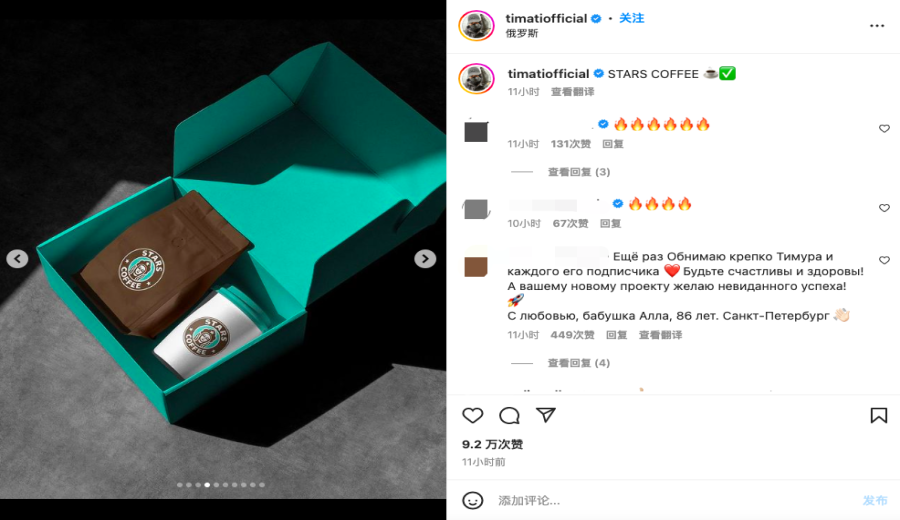
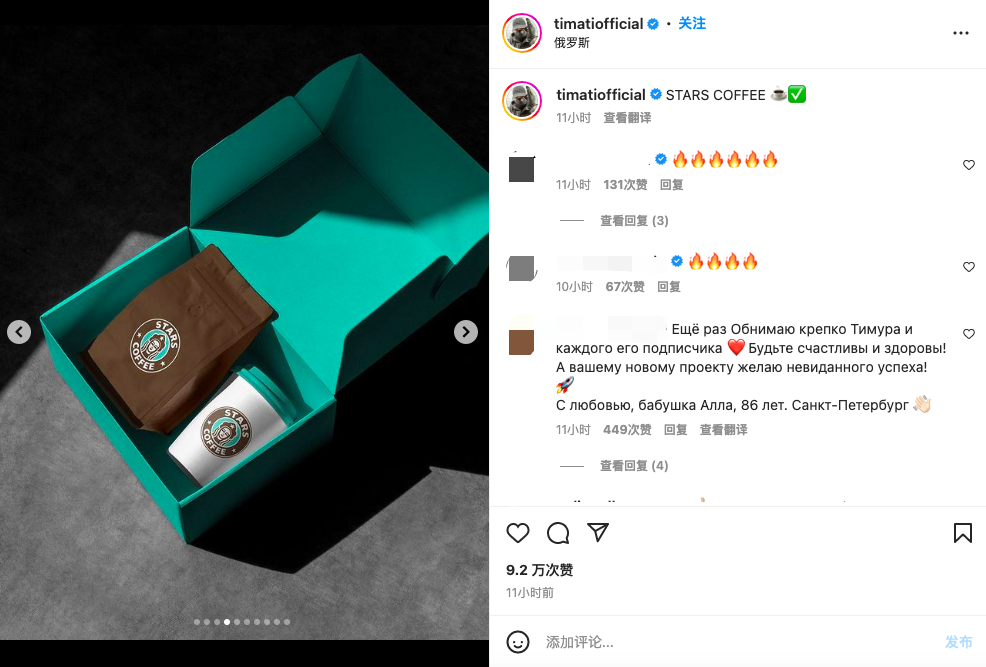
After Starbucks withdrew from the Russian market, its assets were quickly taken over by local enterprises, and a rebranding plan was launched. On August 17, 2022, Russian rapper Timur Yunusov (Timur Yunusov) first revealed the new brand name “STARS COFFEE” and its official trademark on Instagram, with the brand’s official website also going live on the same day. The new logo replaced the original Starbucks siren with an image of a girl wearing the traditional Russian headdress “kokoshnik,” conveying visual elements closer to local culture.
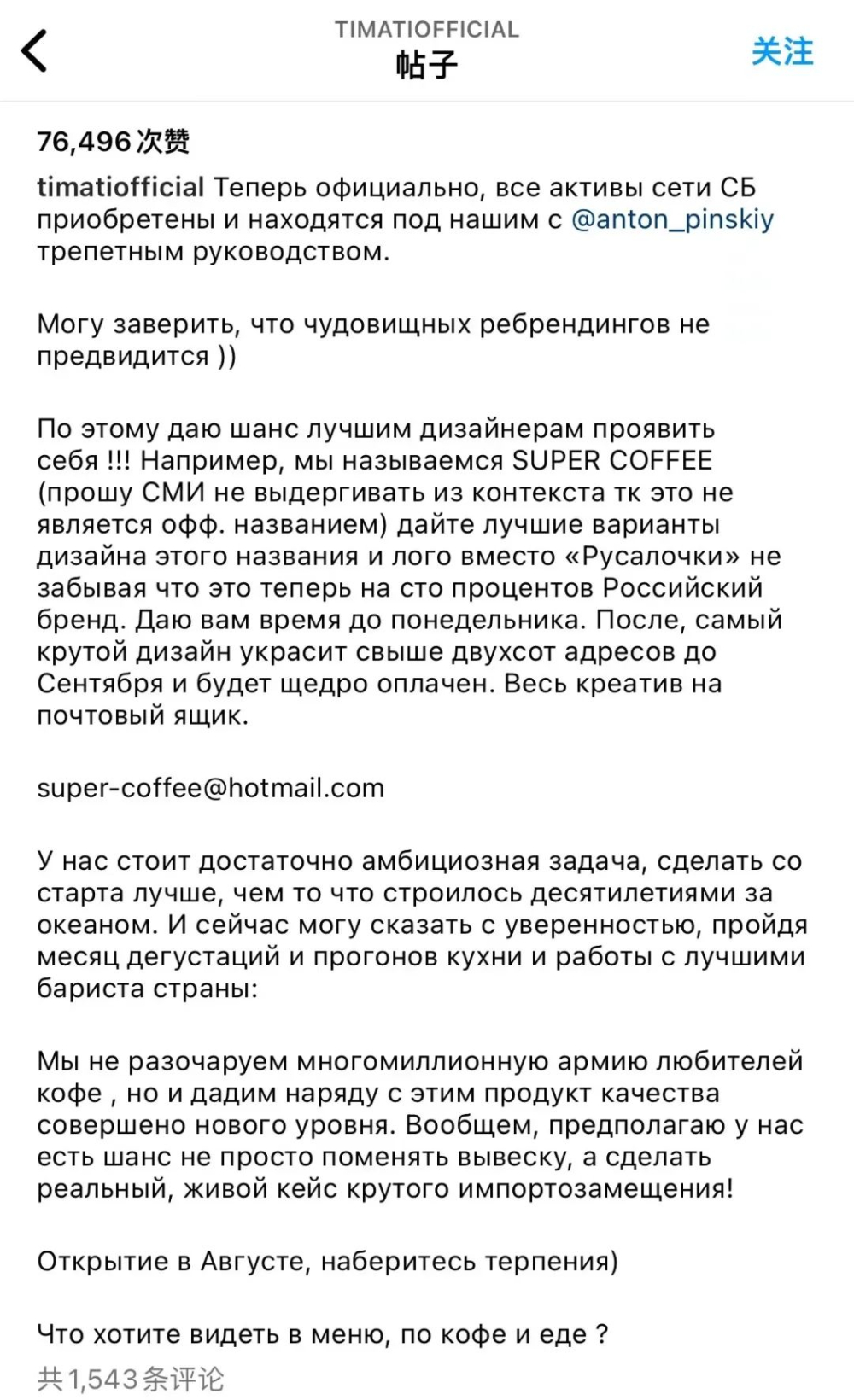
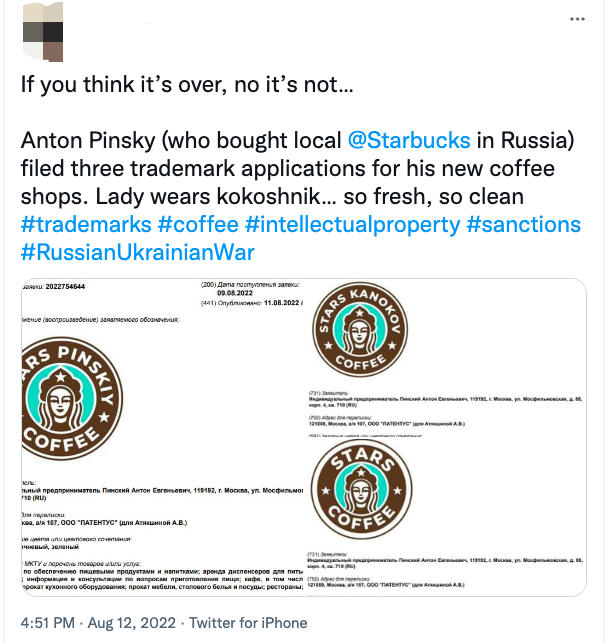
As early as July 30, Timur had revealed that he and his partner Anton Pinsky had completed the acquisition of Starbucks’ Russian assets and publicly solicited creative ideas from netizens for the naming and logo design of the new brand, aiming to create a locally-rooted coffee brand that could surpass the globally renowned siren image. On August 12, the Federal Service for Intellectual Property (Rospatent) disclosed that it had received three trademark applications, including “STAR PINSKIY COFFEE,” “STARS KANOKOV COFFEE,” and the ultimately chosen “STARS COFFEE,” all of which retained the core design element of the traditional headdress-wearing girl.
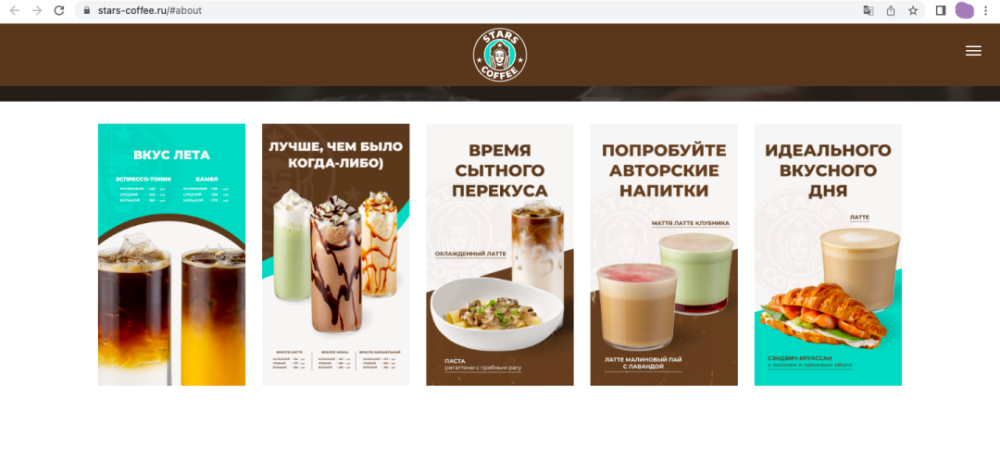
According to a report by MOCKBA 24 on August 17, STARS COFFEE reopened in Moscow on August 18, with plans to fully resume operations at all 120 stores by the end of September. The new brand has made several adjustments to service details: it canceled the previous tradition of handwritten names on cups and switched to using thermal printers to print customers’ names, improving efficiency and reducing contact; additionally, in-store food offerings transitioned from freshly made to pre-prepared and reheated items to ensure faster service. These changes reflect both adaptation to the current operating environment and a balance between cost and service considerations.
Russian marketing expert Nikolai Grigoriev pointed out in his analysis that although STARS COFFEE made subtle adjustments to its brand name and logo design, it still clearly retained associations with the original Starbucks brand. This strategy aims to maintain consumer familiarity with the brand. However, he also cautioned that the effectiveness of the rebranding still needs to be tested by the market—overly similar designs may confuse consumers, while completely breaking away from prior recognition might alienate existing customers. He particularly emphasized that short, impactful brand names (preferably within two words) are more conducive to dissemination and memorability, which is crucial for the new brand to establish itself in the competitive coffee market.
Reactions among Russian netizens to the launch of the new brand have been mixed. Some consumers believe that retaining the stores and adjusting the services can still meet their daily coffee needs, while others question whether changes such as pre-prepared food and thermal printing may affect the uniqueness of the experience. Regardless of the feedback, the relaunch of STARS COFFEE marks the flexibility of the Russian coffee industry in responding to the withdrawal of international brands and provides a real-world case study of how local brands can take on international standards.
The above content is compiled by CoffeeHunters, a coffee news website.


