







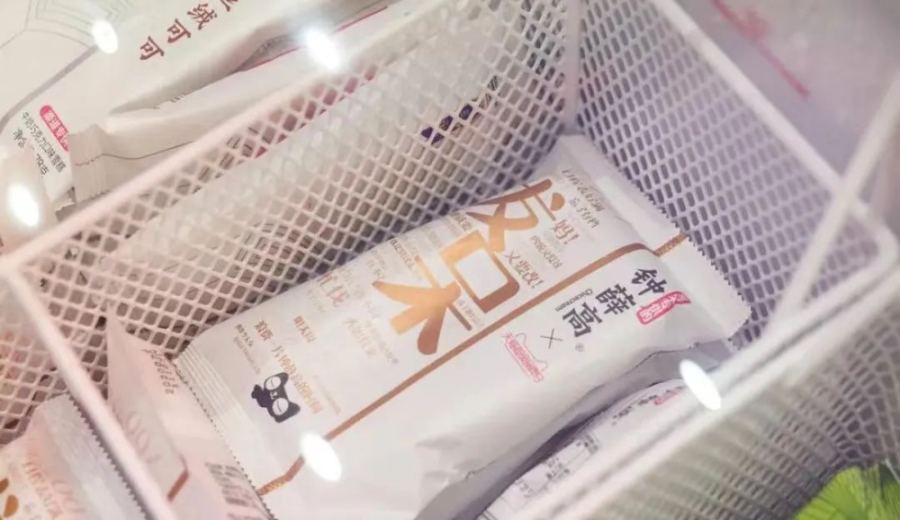
Introduction:This year, over 600 coffee shops partnered with Zhong Xuegao to launch flash pop-up events combining ice cream and coffee, sparking a wave of “guochao” (Chinese national trend) co-branding buzz. But behind this surge in attention lies not just marketing tactics, but also brand strategy and consumer psychology. This article takes an in-depth look at how Zhong Xuegao managed to turn things around amid public controversy, and how coffee shops, while chasing trends, can achieve long-term success through professionalism and creativity.
Zhong Xuegao once faced consumer skepticism over its high-priced ice cream and even became a frequent topic on social media hot searches. The brand, which positions itself as “premium Chinese ice cream,” has repeatedly made headlines with its unique designs and premium pricing. Yet it is precisely within these controversies that Zhong Xuegao has unexpectedly gained high exposure and strong brand recognition.
This year, more than 600 coffee shops teamed up with Zhong Xuegao to create creative specialty coffee drinks incorporating their ice cream, giving rise to a flash trend of “ice cream coffee.” This isn’t Zhong Xuegao’s first collaboration with the coffee industry—last year, around 200 coffee shops in cities like Shanghai and Guangzhou had already experimented with this model—but this year, the number of participating shops surged nearly threefold, reflecting the market’s enthusiastic response to such guochao co-branding.
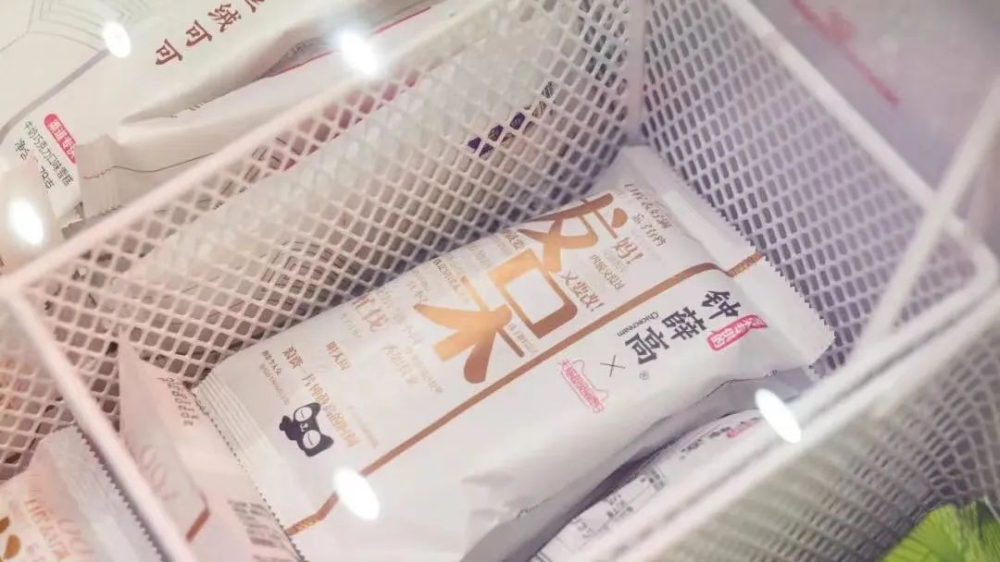
So what’s driving so many coffee shops to collaborate with a brand that’s been so controversial? The key lies in Zhong Xuegao’s distinctive product design and cultural symbolism. Its iconic tile-shaped design and rich traditional Chinese aesthetic perfectly align with current consumer preferences for “guochao” and “local culture.” Many coffee shops have seized on this by integrating Zhong Xuegao’s ice cream into coffee drinks, creating special brews with a Chinese flair that successfully capture the attention of younger audiences.
However, while this wave of co-branding brings short-term traffic to shops, it also exposes the industry’s general confusion over “converting traffic into loyalty.” In truth, collaborating with a popular brand is only the first step—the real challenge for coffee shops is getting customers to return because of the experience. Professional coffee knowledge, consistent product quality, and a cohesive brand image are all crucial factors influencing whether customers will come back again.
From a marketing perspective, Zhong Xuegao has successfully built a highly recognizable brand image in consumers’ minds through its premium pricing and buzz-worthy appeal. Even in the face of widespread criticism, its name remains the first association many people make when discussing high-end consumer goods. This “even negative publicity is still publicity” phenomenon has allowed Zhong Xuegao to achieve a significant leap in brand awareness, even while being criticized.
Marketing in the internet era is often filled with volatility and uncertainty, but it also provides brands with more opportunities to “make a comeback against the odds.” For coffee shops, short-lived hype may bring foot traffic and social media buzz, but without solid professional foundations and customer service, this wave of attention may prove fleeting.
Therefore, how to leverage the popularity of co-branding while strengthening one’s own professional image and customer loyalty is a critical question every coffee shop involved in the Zhong Xuegao collaboration must seriously consider. In the future, only those shops that can transform short-term traffic into long-term customer loyalty will truly stand firm in this competitive market.
The above content is compiled by CoffeeHunters, a coffee news website.


