







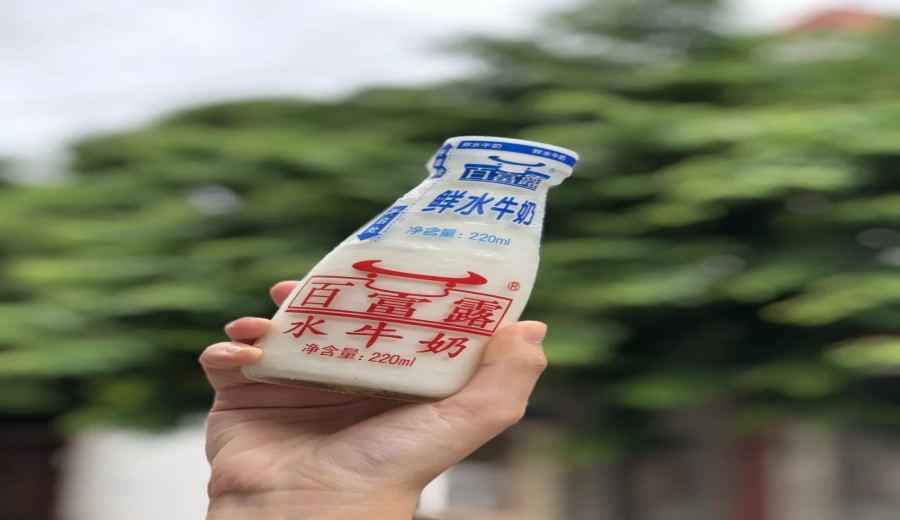
Introduction:This in-depth practical test explores the real-world performance of locally available bottled water buffalo milk and regular fresh milk in Guangzhou when used in coffee applications. From hot lattes and Dirty drinks to iced mochas, we analyze differences in frothing, blending, layering, and aftertaste, and compare the impact of pasteurization and ultra-high temperature (UHT) processing on taste. Whether you're a barista selecting ingredients or a coffee enthusiast experimenting at home, you'll gain practical insights and purchasing advice.
When Manner Coffee launched their water buffalo milk Dirty, this specialty dairy product from water buffaloes instantly became a hot topic in the industry. For consumers in the Greater Guangzhou-Foshan area and Guangxi, water buffalo milk is more than just a beverage—it’s a familiar taste from memory.
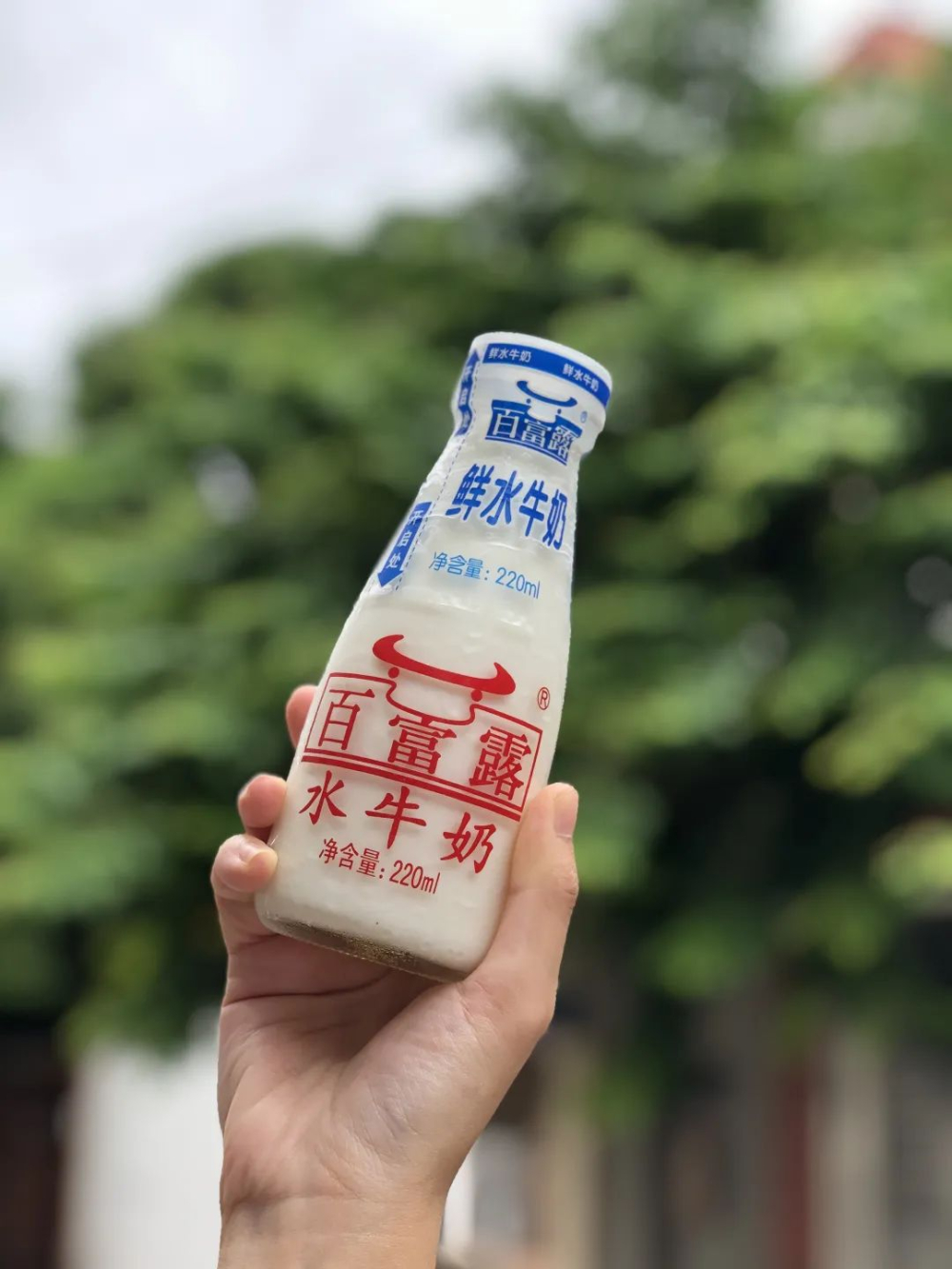
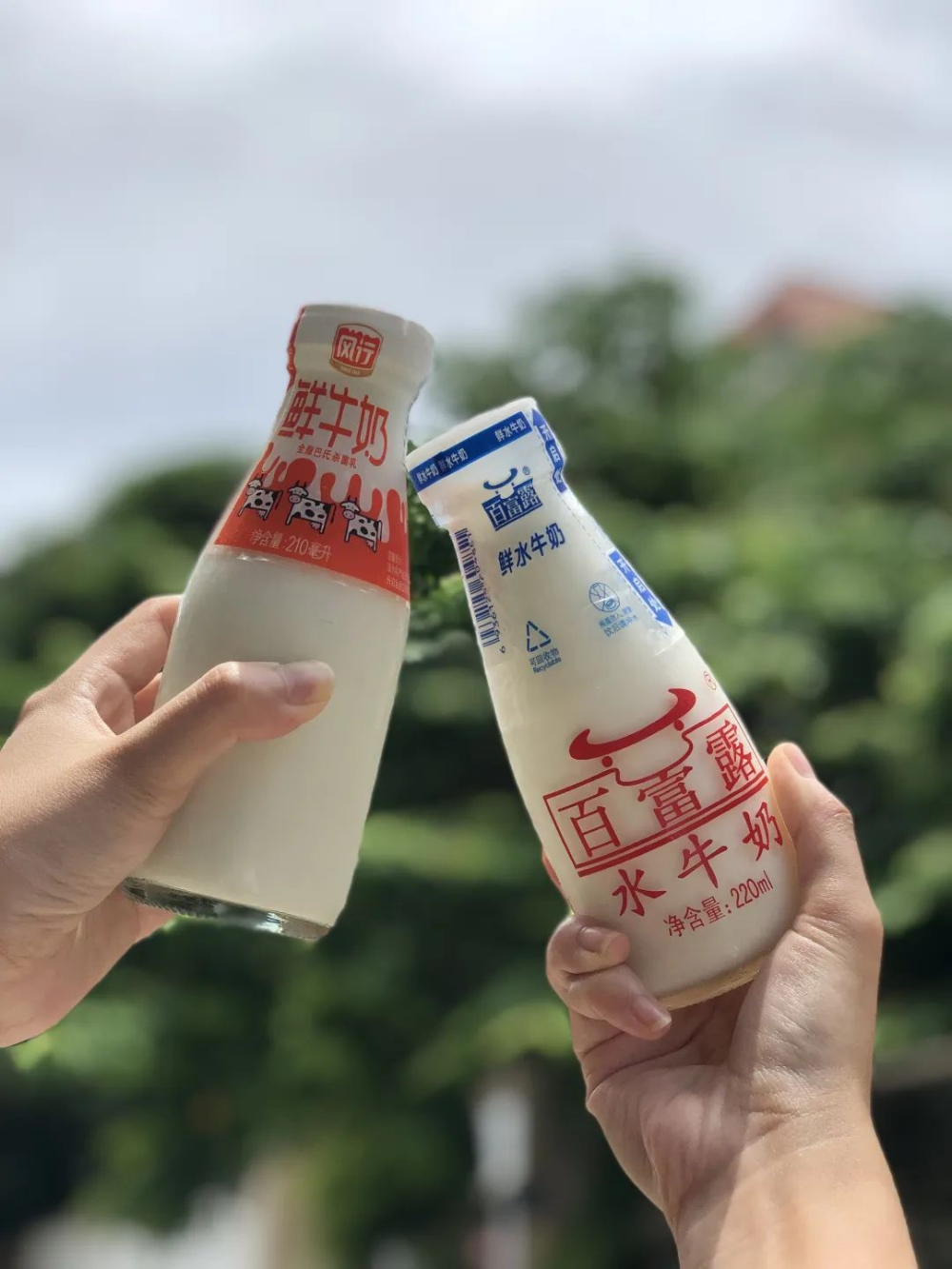
This evaluation focuses onreadily available bottled water buffalo milk in glass bottlesand commonglass-bottled fresh milkin the Guangzhou market, comparing their performance in four popular coffee drinks: hot latte, Dirty, iced mocha, and iced latte. We break down differences in milk froth quality, coffee integration, visual layering, and final aftertaste to help readers understand which type of milk best suits their coffee preferences.
First, let’s discuss the production processes behind these two types of packaged milk. Glass-bottled milk is typicallypasteurized, with temperatures controlled between 60-82°C. This method preserves more of the milk’s natural flavor and some heat-sensitive nutrients (such as B vitamins), but requires refrigeration and has a shelf life of only about 5 days. In contrast, commonly found paper carton “gable-top” fresh milk usually employsultra-high temperature (UHT) processing(120-137°C). While this ensures higher safety and a shelf life of around 15 days, the high heat leads to more noticeable flavor loss, resulting in a blander taste, and long-term storage may further degrade mouthfeel.
It’s worth noting that although glass-bottled milk comes in smaller volumes (about 210-220ml) and may seem more expensive per bottle, its cost-effectiveness and sense of ritual are arguably on par with larger packages when considering nutrition and flavor per milliliter. For cafes, sourcing high-quality local glass-bottled milk not only offers a fresher option but also enhances the overall complexity and customer experience of the beverage.
This time, we also focus specifically onwater buffalo milk—a dairy product from water buffaloes that generally outperforms regular cow’s milk (e.g., from Holstein cows) in key nutritional metrics. For example, while typical store-bought fresh milk contains about 2.8% to 3.6% protein, many varieties of water buffalo milk can easily exceed 3.6%, and are also richer in calcium, fat, and vitamin A, delivering a creamier, denser texture and more pronounced milk aroma in beverages.
Now let’s see how these milks perform in actual coffee applications:
Glass-Bottled Water Buffalo Milk Hot Latte
During heating, a rich milk skin aroma becomes noticeable. The froth is slightly coarser and less delicate to the touch compared to regular fresh milk. However, once blended with coffee, it delivers a natural sweetness and a soft, rich texture that neither overshadows the coffee’s character nor clashes with it, creating a refreshing aftertaste reminiscent of mint cream—though the overall finish is relatively short-lived.
Glass-Bottled Fresh Milk Hot Latte
Similarly offers a milk skin aroma, with froth that is easier to achieve in a fine and dense state. The blended coffee exhibits natural sweetness with soft notes of berries and vanilla, and the aftertaste finishes with a warm hazelnut aroma, showcasing good overall balance.
Glass-Bottled Water Buffalo Milk Dirty
The rich body of water buffalo milk performs well in supporting the coffee, enabling clear visual layering. The first sip reveals intense fermented wine-like aromas and sweet-tart berry flavors, transitioning mid-palate to roasted nut notes and milk sweetness, with the finish returning to a coffee-flavored creamy milk richness.
Glass-Bottled Fresh Milk Dirty
This milk has a firmer body, providing even better contrast to the coffee, with attractive layering. The first taste presents a coffee base with wine-like and tart berry notes, followed by a smooth mid-palate of vanilla cream aroma, and a finish of lightly coffee-infused sweet milk.
Cupped Sweet Water Buffalo Milk Dirty
Although the ingredients include powdered milk and sugar, it doesn’t taste overly sweet when consumed alone. It seems designed to leave room for espresso injection, making it highly suitable for DIY Dirty drinks. The first sip after blending delivers sweet berry cream flavors. Due to the small serving size, it’s recommended to enjoy in one go, with the second sip revealing a sweet water buffalo milk coffee aftertaste.
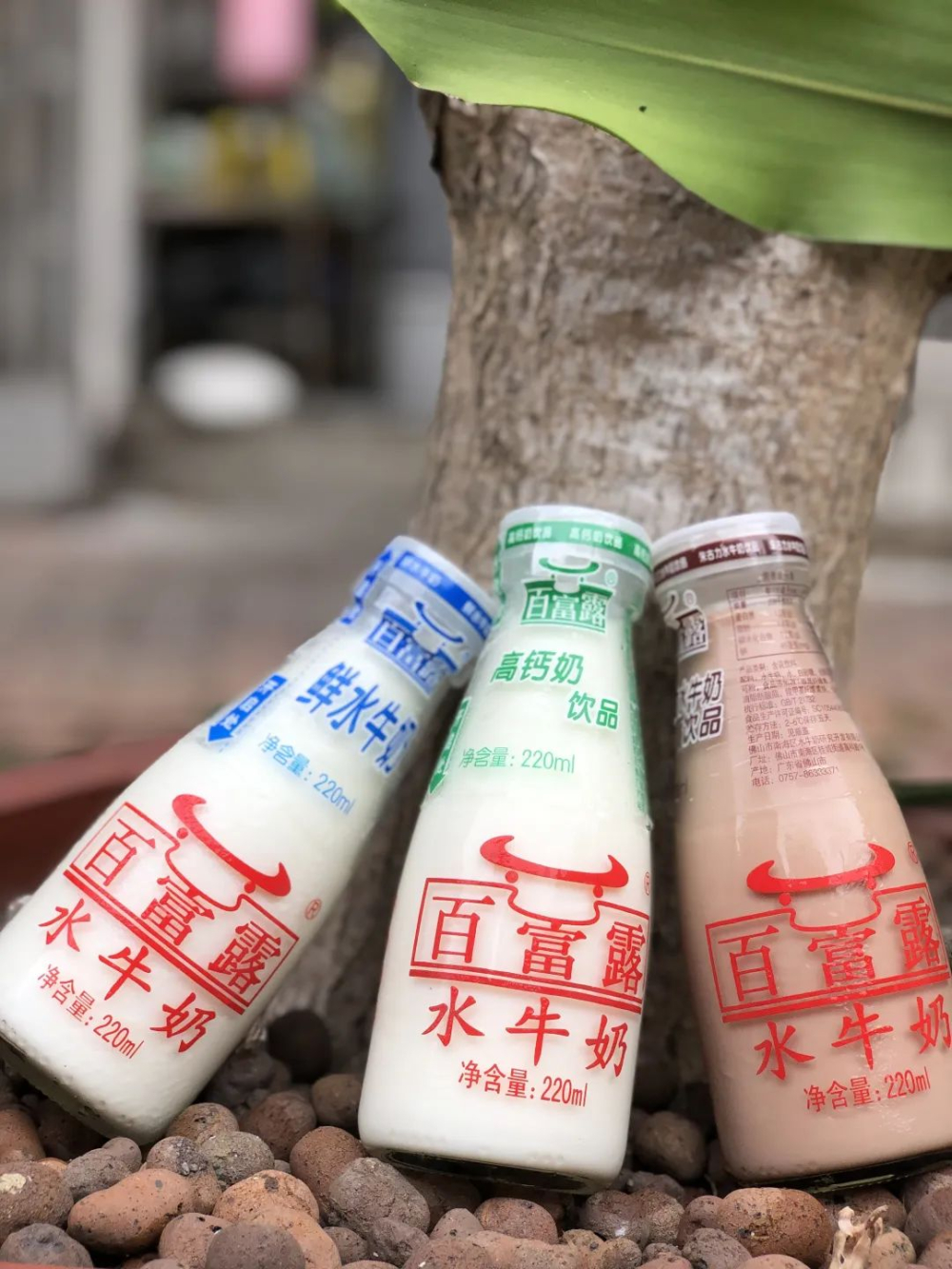
Glass-Bottled Chocolate Water Buffalo Milk Iced Mocha
Originally, we planned to use unsweetened chocolate powder to create a wall paint for added flavor, but unfortunately ran short on materials. Nevertheless, adding it directly to the coffee resulted in well-integrated sweetness and chocolate aroma that complemented the beans without overpowering them, enhancing the overall complexity in a pleasant surprise.
Glass-Bottled High-Calcium Water Buffalo Milk Iced Latte
According to the retailer, this high-calcium milk has a mildly sweet profile. When made into an iced latte on its own, it feels as smooth and rich as melted vanilla ice cream. When mixed with coffee, there is slight clumping initially, but it dissipates upon stirring. The overall flavor profile is enticing, with sweet strawberry, vanilla cream, and roasted nut notes, while bitterness is well-mellowed.
In summary, glass-bottled milk (whether water buffalo or regular fresh) performs slightly thinner in texture when heated for lattes, but shines in Dirty-style drinks with richer layers, offering creaminess without being overly heavy. If you enjoy the combination of sweetness and coffee, commercially available sweetened cup-packed water buffalo milk is also a great choice, especially as a creative base for DIY Dirty drinks. Additionally, water buffalo milk excels in iced coffee preparation, making it highly suitable for summer menu planning.
This test is not only useful for baristas selecting ingredients, but also helps coffee enthusiasts at home choose the right milk to craft their own signature coffees. Any leftover milk can also be used to make desserts like double skin milk or ginger milk tea, continuing the delicious inspiration!
The above content is compiled by CoffeeHunters, a coffee news website.


