







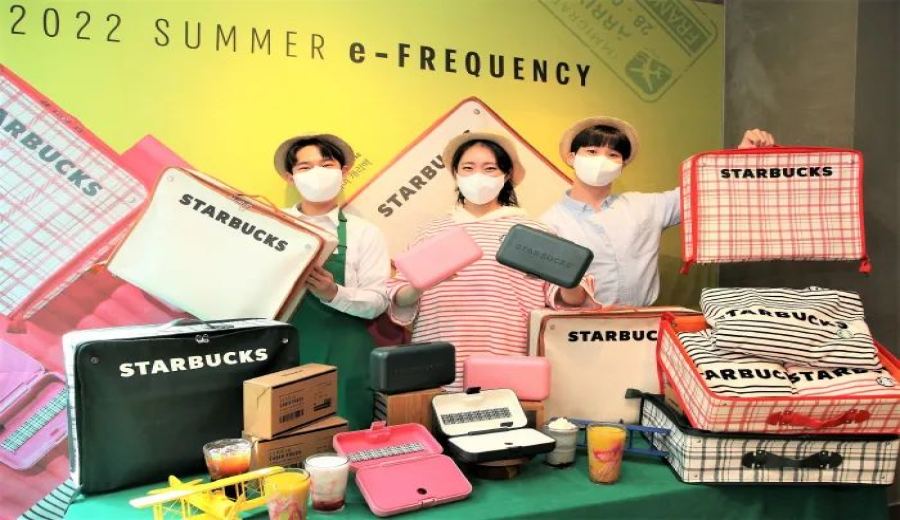
Introduction:A recent controversy has erupted in South Korea after it was reported that Starbucks’ summer giveaway item, the “Summer Carry Bag” travel tote, contains formaldehyde, raising concerns among consumers. From initial complaints about an unusual odor to the confirmation of hazardous substances, how did the brand respond? This article provides a full breakdown of the incident, including test data, return policies, and adjustments to subsequent promotions, to help readers understand safety considerations for merchandise.
Starbucks Korea has recently come under fire over one of its summer promotion giveaways — the “Summer Carry Bag” travel tote. What was originally intended as a useful and practical item for customers during the hot season quickly became the subject of an urgent recall after it was revealed to contain formaldehyde. The issue came to light when an individual claiming to be from a testing agency posted on social media, stating that the tote bag had been found to contain formaldehyde, and that many customers had previously complained about a pungent, squid-like smell emanating from the bags.
Upon learning of the issue, Starbucks Korea acted swiftly, immediately halting distribution of the giveaway item and proactively sending samples to the Korea Testing & Research Institute for formaldehyde content testing. On July 22, the company issued an official statement acknowledging that the tote bag did indeed test positive for formaldehyde and offered an apology to customers. The brand stated that customers who had already redeemed the tote could return it at any store and would receive a free drink voucher as compensation.
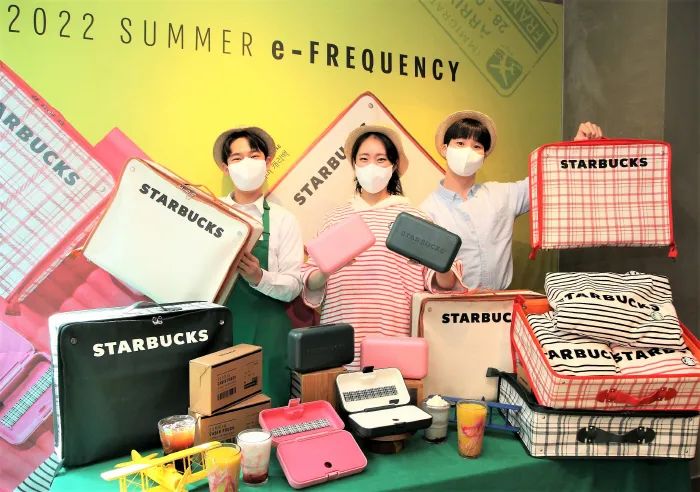
Further information revealed that following the online uproar caused by the anonymous whistleblower post, Starbucks Korea urgently commissioned three nationally accredited testing agencies to conduct cross-validations. The final test reports showed that the outer layer of the untorn tote bags had an average formaldehyde content of 459 mg/kg, while the inner layer measured 244 mg/kg. Even for totes that had been opened and used for two months, the outer layer still contained 271 mg/kg and the inner layer 22 mg/kg — figures that are significantly higher than acceptable levels.
According to South Korea’s Electrical and Electronic Products and Consumer Products Safety Control Act, there are clear regulations on the residual formaldehyde content of household textiles: undergarments and heavy clothing must contain less than 75 mg/kg, while general outerwear and bedding must not exceed 300 mg/kg. However, this tote bag was categorized as an “other product,” placing it in the same class as items like curtains and cushions that do not directly contact the skin, and thus no specific formaldehyde safety standard applies. Nevertheless, Starbucks chose to address the issue with the highest possible standards.
Notably, Starbucks Korea later explained that the manufacturer had mentioned the potential presence of formaldehyde upon delivery, but the staff responsible for inspection at the time failed to recognize the associated risks. Additionally, although some stores had noticed an odd smell coming from the tote bags, they did not associate it with formaldehyde and continued to display them for customer redemption. After the incident broke, the brand immediately initiated a cross-departmental re-inspection process to ensure transparency.
In response to the formaldehyde controversy, Starbucks Korea not only provided a return and compensation plan, but also announced the immediate discontinuation of the original promotion that offered the tote bag as a reward for purchasing 17 drinks. Customers who choose to redeem between July 23 and August 31 will instead receive three free drink vouchers. The brand also promised to launch a new promotional reward and provide a Starbucks Rewards card worth 30,000 KRW as an alternative option.
In its latest public apology statement, Starbucks emphasized that it will comprehensively strengthen the safety verification process for merchandise, including material screening, production monitoring, and finished product sampling, striving to prevent similar incidents from happening again. This incident also serves as a reminder to consumers that even freebies from well-known brands should be inspected for any unusual odors or allergic reactions, and that it’s appropriate to inquire about material types and safety certification details when necessary.
The above content is compiled by CoffeeHunters, a coffee news website.


