







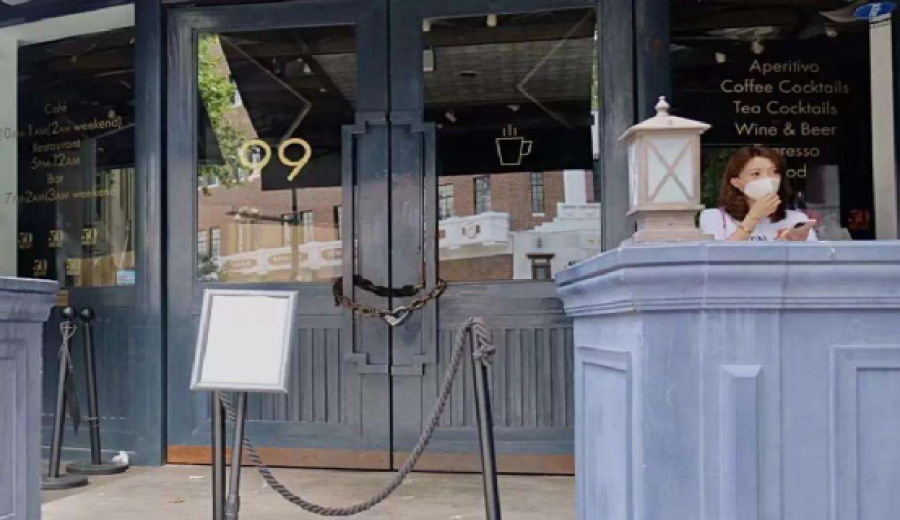
Introduction:As lifestyles evolve, an increasing number of consumers are seeking spaces that cater to both daytime alertness and evening relaxation, driving a new trend of alcohol offerings in cafés. This article delves into the rise of the 'coffee + alcohol' crossover model, examining its background, market response, and operational challenges. Discover how this innovative strategy is reshaping the consumer experience in modern beverage outlets and exploring the potential for all-day operations.
As white-collar workers aspire to stay sharp and productive by day yet unwind with a slight buzz by night, many cafés have quietly welcomed patrons clutching wine glasses. In Shanghai, following the post-pandemic downturn in the F&B industry, a 'revival plan' promoted by Xiaohongshu spurred dozens of bartenders from bars to venture into cafés, crafting creative alcoholic coffee cocktails—making 'a drink at the café' a new dine-in trend.
Tracing back to the last century, Teresa Teng’s classic lyrics “Wine and coffee, one more cup, then another” had already hinted at their pairing potential, but it wasn’t until recent years that this crossover trend truly took off domestically. The younger generation, driven by a mindset of “working hard and playing harder,” finds that simple coffee cocktails can no longer satisfy their craving for diverse experiences.
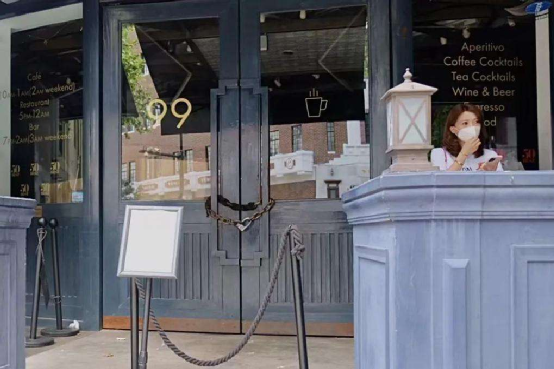
In 2017, Dante, a cocktail bar in New York City, gained attention for its European-style wine-and-coffee café concept. Soon after, Shanghai’s Sober Company also launched a hybrid business model integrating coffee and alcohol. Since then, beverage outlets blending the two have gradually emerged in the market, offering everything from daytime coffee to nighttime cocktails.
Reports indicate that since this summer, Hangzhou has seen a rise in 'extended-hours' eateries simultaneously selling coffee and alcoholic drinks. These establishments flexibly adjust their strategies—energizing office workers with caffeine by day and transforming into cozy, tipsy social spaces by night to meet varying consumer needs across different times of the day.
However, driven by the influencer economy, some venues overly rely on photo opportunities to attract foot traffic. While this may yield short-term attention, it risks diluting brand uniqueness and customer loyalty in the long run. Truly sustainable business models require striking a balance between product innovation and customer experience.
The coffee-alcohol crossover not only injects freshness into a brand but also enhances customer retention and facilitates cross-conversion between traditionally coffee-only or alcohol-only patrons. By flexibly adjusting offerings and operating hours, venues can explore greater possibilities in all-day operations, adapting to the dynamic lifestyles of modern consumers.
This innovative business model is redefining the function and role of cafés—from mere caffeine hubs to all-day social and leisure spaces, offering operators a new pathway to stand out in an increasingly competitive market.
The above content is compiled by CoffeeHunters, a coffee news website.


