







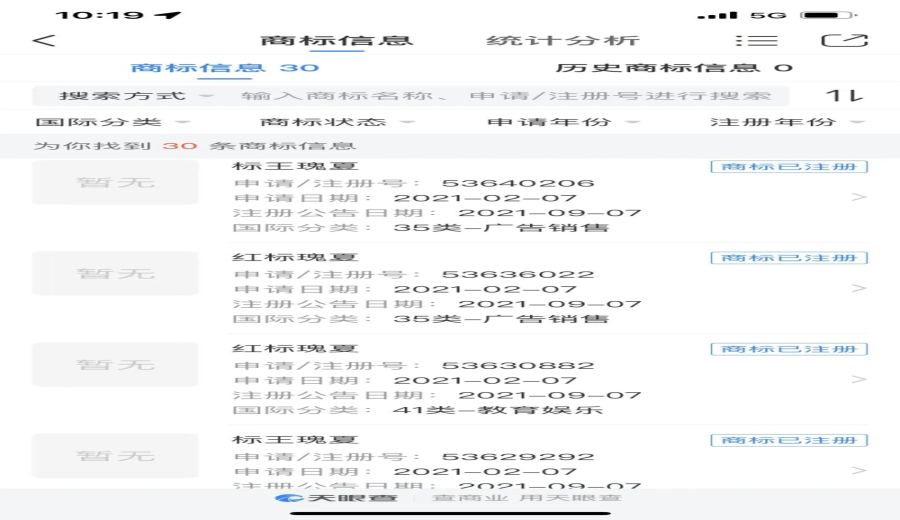
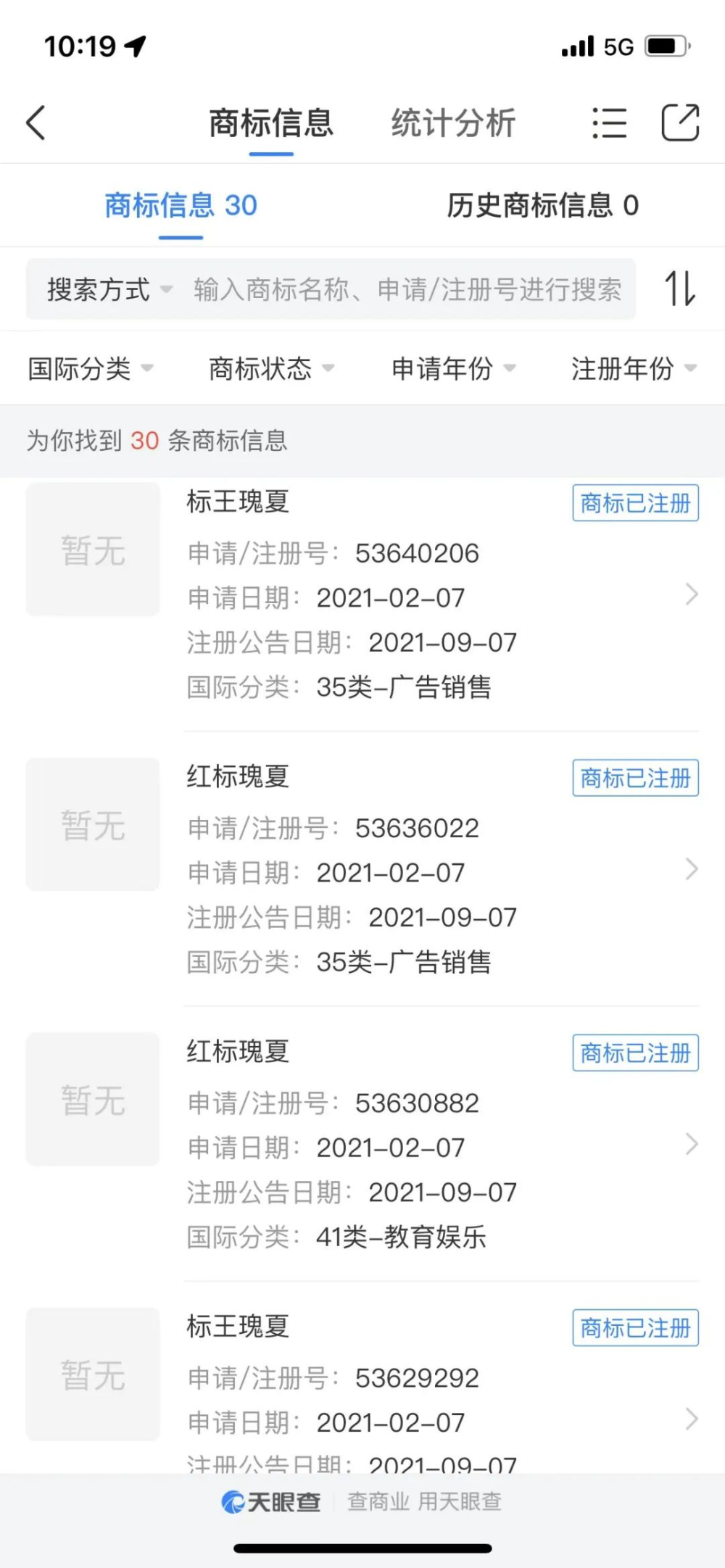
Introduction:Geisha coffee has garnered significant attention in recent years, but reports have emerged that trademarks such as "Red Label Geisha" and "Champion Geisha" have been registered, sparking industry discussions on the privatization of generic terms. This article provides a detailed overview of Geisha’s journey from its Ethiopian origins to its rise in Panama, clarifies the grading logic behind Red Label, Green Label, and Blue Label, explains the origin of the "Champion Geisha" in the BOP auction, and reminds both industry players and consumers of the potential implications of trademark disputes.
In recent years, Geisha coffee has sparked a craze in the specialty coffee market. However, a company recently succeeded in registering trademarks for "Red Label Geisha" and "Champion Geisha," and even attempted to claim ownership of the term "Geisha coffee," intensifying concerns within the industry about the privatization of generic names. This article will take you through the journey of Geisha from the forests of Ethiopia to Panama’s Hacienda Esmeralda, delve into the grading system of Red Label, Green Label, and Blue Label, explore the significance of the "Champion Geisha" in the BOP auction, and analyze the risks associated with registering generic names as trademarks.
The seeds of Geisha coffee originally came from the Gesha forest in Ethiopia’s Yirgacheffe region. In 1931, a British man collected seeds from the forested area near Gesha Mountain and transported them to Kenya the following year. Subsequently, the variety was introduced to Uganda and Tanzania in 1936 and reached Costa Rica in 1953. By the 1970s, Francisco Serracin, the owner of the Hacienda La Esmeralda farm in Panama’s Boquete region, obtained the Geisha variety from CATIE in Costa Rica and shared it with other farms for cultivation.
The rise to fame of Geisha coffee is inseparable from the efforts of Hacienda Esmeralda’s owner, Daniel Peterson. Regarding its discovery, the most commonly heard story is that in 2003, while processing coffee beans, Daniel noticed a unique floral aroma and traced it back to a batch grown as a windbreak. However, Daniel clarified during this year’s Grand Cru event that the “windbreak” theory is unfounded.
He explained that the Geisha variety underwent years of testing and was only confirmed in 2003. Two weeks before that year’s BOP competition, he discovered during internal cuppings that this particular coffee exhibited distinctive flavors such as jasmine, citrus, peach, blueberry, bergamot, and sugarcane—flavors that deviated from mainstream preferences. Nevertheless, he decided to enter it into the competition and it went on to win the championship.

The variety, originally labeled as Geisha, was transliterated as Gesha after being introduced to Japan, with a Japanese pronunciation similar to "芸者" (geisha, meaning traditional female entertainer), and was translated into Chinese as 艺伎 (yìjì). Taiwanese businesses later adopted the term "艺伎 coffee," while mainland China, around 2006, introduced it directly as the transliteration "瑰夏" (guīxiā) through Mr. Yuan of Kalum Coffee. Today, terms such as "艺伎 coffee," "瑰夏," and "瑰夏咖啡" have become common in the Chinese market.
After winning awards with Geisha in 2004, Hacienda Esmeralda began grading their Geisha productions. Prior to the 2021 harvest, these were divided into three grades, distinguished by red, green, and blue labels. The domestic industry commonly refers to them as "Red Label Geisha," "Green Label Geisha," and "Blue Label Geisha." These names have gradually become the standard terms for grading the quality of Geisha from Hacienda Esmeralda.
Starting in 2021, the original Blue Label (grown at 1500 meters) was sold in bulk to a green coffee company, which launched the "Las Rocas" brand (translated in Chinese as Volcanic Rock Geisha). The Red Label corresponds to "Esmeralda Special" (翡翠特選), representing the highest-quality batches, grown at high altitudes between 1600–1800 meters, with each batch requiring a cupping score of over 90. These primarily come from the Jaramillo and Canas Verdes sub-farms (with a small amount of Red Label also from the Veil Estate, though mainly for varietal exploration purposes).
Each Red Label batch has its own unique number, and all the coffee beans come from a single small plot, allowing buyers to choose based on flavor preferences (limited to direct transactions with the farm). Additionally, each year Hacienda Esmeralda selects different plots of Esmeralda Special to participate in the BOP auction. If any of these auction lots achieve the highest bid, they are referred to by the industry as "Champion Geisha."
Trademark registration aims to protect exclusive rights and prevent counterfeiting, but if generic names are registered, it may pose risks for businesses. Currently, "Red Label Geisha" and "Champion Geisha" have passed the review for advertising and sales-related trademark categories, while the application for "Geisha coffee" has been rejected. Notably, "Red Label Geisha" was originally a generic term for Esmeralda Special, and it might have been more reasonable for the farm to hold the trademark.
A common example in the industry is "Golden Mandheling," which is a registered trademark of PWN. However, because its ownership is widely known, it rarely leads to disputes. Once a generic name becomes privatized, it can impact businesses selling coffee under that name—an issue the industry should continue to monitor closely.
The above content is compiled by CoffeeHunters, a coffee news website.


