







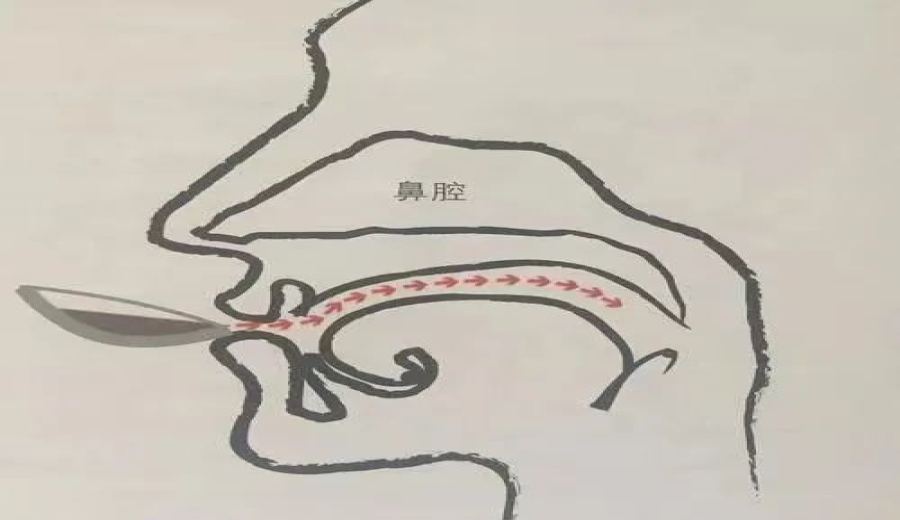
Introduction:Slurping is a commonly used technique in professional coffee tasting, where rapidly atomizing the coffee liquid helps release aromas and enhances flavor perception. This article delves into the scientific principles behind slurping, its standard operational procedure, and explores the differences and practical value between cupping and everyday drinking. Clear steps and precautions are provided to help readers master this technique and apply it to their daily coffee enjoyment.
In the professional field of coffee tasting, slurping is a unique way of drinking. By quickly drawing the coffee liquid into the mouth to atomize it, volatile aromatic molecules in the coffee are effectively released, further enhancing the neural responses of the taste buds and olfactory senses. This helps tasters capture a richer array of coffee flavor layers. Though this drinking motion may sound somewhat peculiar, it is an indispensable part of cupping and professional evaluation.
When many people first see someone slurp coffee, they often mistake it for imitating the sound of eating noodles. In reality, this is a key technique used by professional tasters to release coffee aromas. The widespread adoption of slurping is backed by science: when we taste coffee, what we perceive as “flavor” is not just the taste detected by the tongue, but also the aromas captured by the sense of smell. Slurping perfectly combines these two sensory experiences, leading to a more comprehensive perception of flavor.
The standard method for slurping is as follows: gently close your lips, place the tip of your tongue lightly between your upper and lower front teeth, slightly part your lips to leave a small gap, then use the power of your diaphragm to quickly and forcefully draw the coffee liquid into your mouth. This action is usually accompanied by a short and distinct “slurp” sound. This high-speed intake causes the coffee liquid to instantly atomize into countless tiny droplets. Although the total volume remains unchanged, the surface area increases significantly, thereby facilitating the release of volatile compounds into the air, making them easier for the olfactory system to capture.
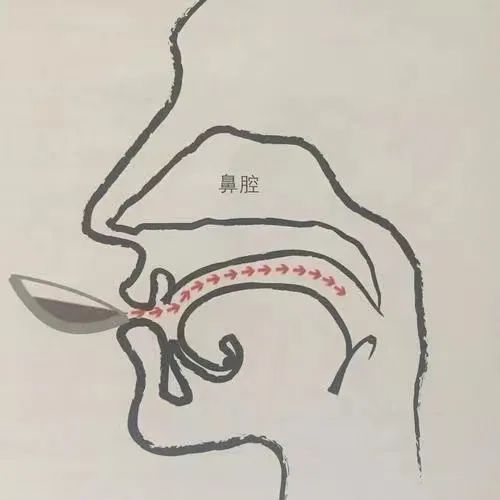
In professional cupping sessions, baristas almost always employ the slurping technique to evaluate the overall performance of the coffee, including aroma, acidity, sweetness, body, and aftertaste. Generally speaking, the faster the intake, the more pronounced the atomization effect, and the louder the resulting sound tends to be. However, it’s important to note:The loudness of the sound is not the sole criterion for judging the effectiveness of slurping; the focus should be on the uniformity of atomization and the efficiency of aroma release.
So, is it necessary for the average coffee enthusiast to adopt the slurping method during everyday drinking? The answer is: it depends. If the environment allows and you wish to explore the multi-layered flavors of coffee more deeply, slurping can indeed deliver a richer sensory experience compared to regular sipping. However, in public settings, considering potential disturbance to others, it’s advisable to adjust flexibly according to the occasion—there’s no need to be overly rigid about formality.
It’s worth mentioning that while slurping can effectively enhance flavor perception, it is actually a skill that requires practice and technique, placing certain demands on oral muscle control and breathing. Prolonged use may lead to fatigue. Moreover, when enjoying coffee in daily life, apart from flavor, mouthfeel (such as body, smoothness, and richness) is also an important aspect of enjoyment. Using a regular drinking method often allows for a better appreciation of the coffee’s texture and flow.
For readers who are just beginning to try slurping, it’s recommended to maintain one mindset:“Focus on the tasting itself, rather than deliberately projecting a professional image.”You can try alternating between slurping and regular drinking methods to compare the differences in how the same coffee performs under each. If you find that slurping does not deliver the expected flavor enhancement, it may be due to technique not yet being fully mastered—re-examining your intake method and atomization effect is advised.
Finally, it’s important to clarify a common misconception: slurping can only help you become more sensitive to the aromas and flavors in coffee, but it cannot directly tell you what those flavors are. To accurately identify and describe flavors, one still needs to rely on extensive hands-on tasting experience, continuous learning, and repeated flavor memory training in order to gradually build up one’s own flavor recognition ability and descriptive vocabulary.
The above content is compiled by CoffeeHunters, a coffee news website.


