







Introduction:The Origami pour over dripper, with its unique design and high practicality, has become one of the top choices for many pour over enthusiasts. Designed by Japanese designer Masao Suzuki, it not only features a minimalist Nordic style but also supports dual usage with both conical and flat-bottom filters, delivering a diverse range of flavor profiles. This article takes an in-depth look at its design highlights, suitable coffee bean types, comparative brewing parameters, and discusses its pros and cons to help you find the most suitable brewing setup.
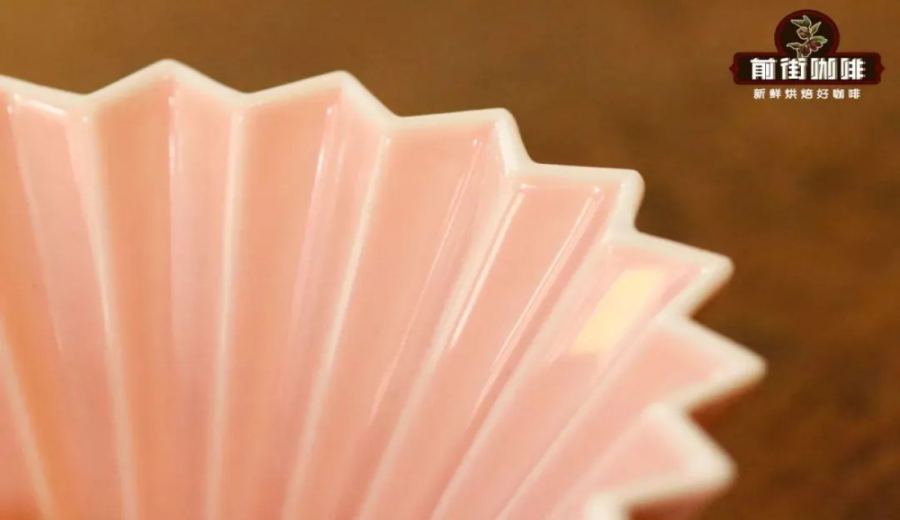
The Origami dripper stands out among various pour over tools with its highly recognizable shape. Its overall design resembles a piece of paper intricately folded, with sharp edges and bold lines. This design concept, derived from the Japanese word "折り紙 (Origami)," not only showcases minimalistic aesthetics but also brings practical functionality. Forty folds are evenly distributed inside and outside the dripper—twenty on each side—effectively guiding the water flow and improving extraction uniformity.
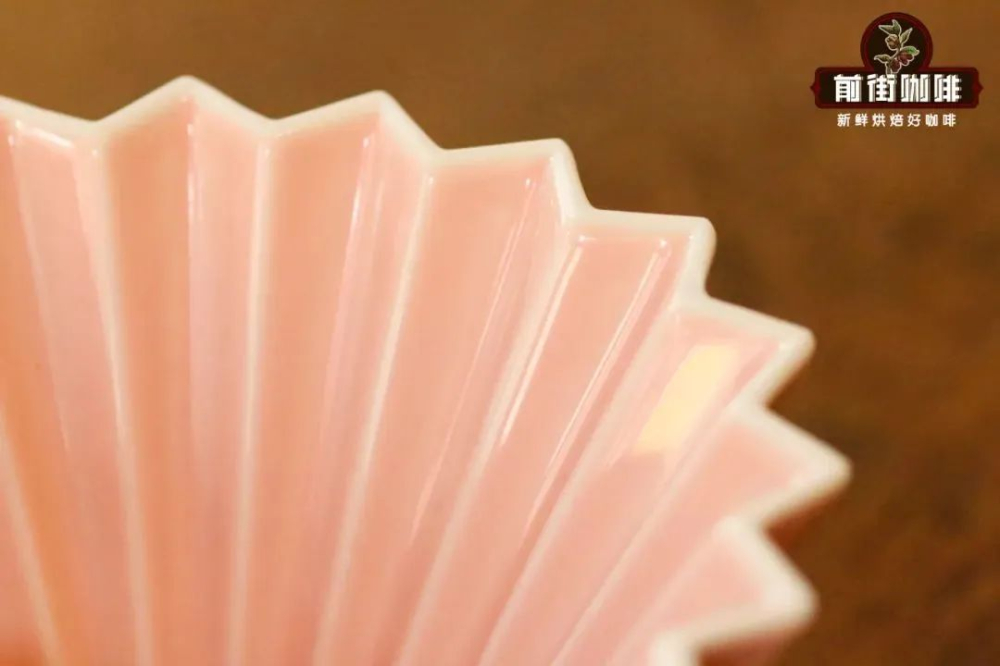
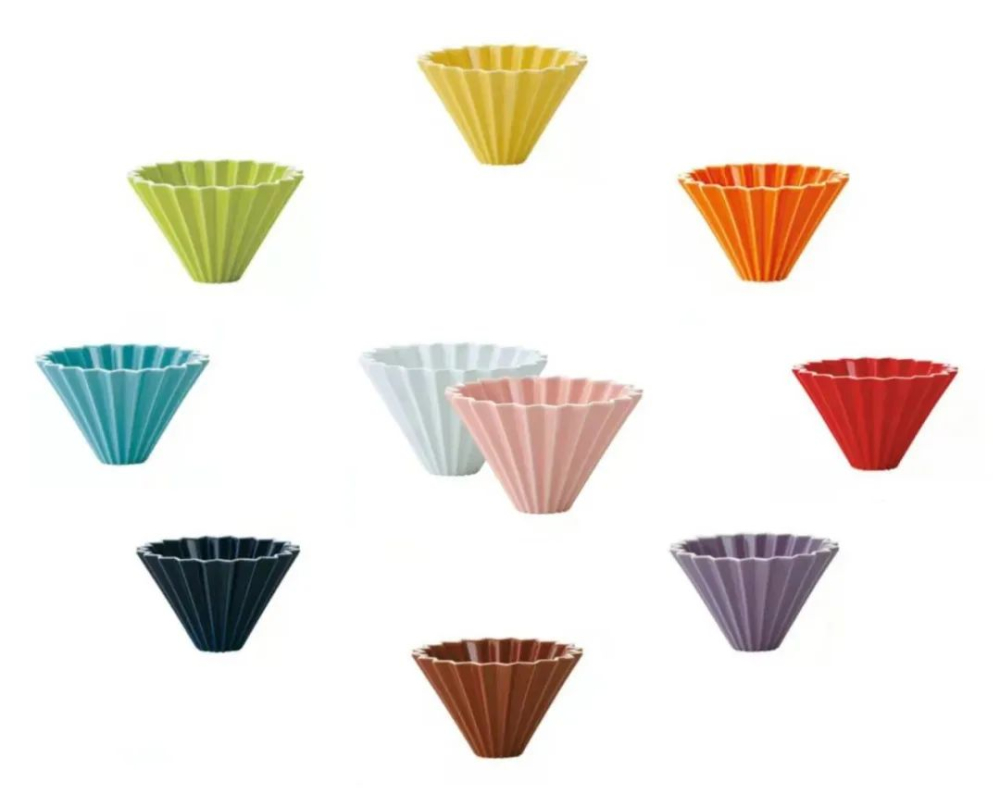
The most distinctive feature of this dripper is that it does not have a traditional one-piece base or handles. Instead, it adopts a symmetrical cone structure, entirely made of ceramic, with muted yet vibrant color tones. From a distance, it looks like a flower blooming layer by layer, offering strong visual appeal. For this reason, many coffee lovers choose it for its appearance alone, and whether placed at home or in a café, it can easily become a visual focal point.
In addition to its design aesthetics, the Origami dripper has garnered significant attention due to the star effect brought by coffee competitions. At the 2019 World Brewers Cup (WBrC), Chinese competitor Du Jianing won the championship using this very Origami dripper. This not only greatly increased the exposure of the tool but also encouraged many coffee enthusiasts to try it out. Even the aroma cup featured in the same competition gained attention as a result.
One of the most practical highlights of this dripper is its compatibility with two types of filters—conical and flat-bottom (cake) filters. In other words, users only need to switch the filter type to experience vastly different brewing flavors and body structures. Practical tests show that under the same brew ratio, grind size, and water temperature conditions, the two filter types yield noticeably different coffee results.
In a practical test case, a coffee brand used beans from Costa Rica’s Stone Manor Estate known for their “blueberry” flavor profile. The coffee dose was fixed at 15 grams, with a brew ratio of 1:15, grind size adjusted to 80% passing through a #20 sieve, and water temperature maintained at 91°C. A three-pour brewing method was used for comparison:
• When using a conical filter: The blueberry fruit aroma stood out, with a hint of fermented wine notes. The dominant flavors on the palate were blueberry and mint candy, with clear layers and a clean, refreshing taste.
• When using a cake filter: The blueberry aroma remained prominent, but rose floral notes were added. The mouthfeel became rounder and fuller, with concentrated sweetness and a long-lasting aftertaste.
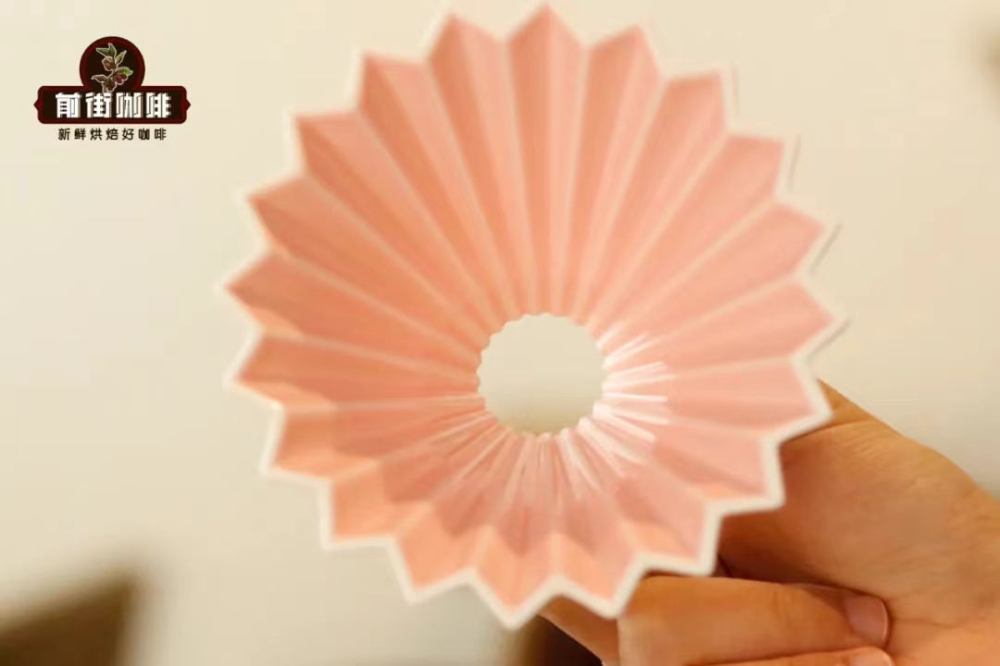
This difference primarily comes from how the filter interacts with the dripper. When using a conical filter, the 20 inner ridges of the dripper provide good support and water channels, allowing smooth water flow and extracting brighter acidity and aroma. Compared to the V60 dripper, the Origami dripper has a slightly faster water flow rate, which helps emphasize the coffee’s fresh characteristics.
On the other hand, if you opt for a cake filter, its flat bottom design and folds fit tightly against the dripper, effectively extending the contact time between coffee grounds and water, enhancing immersion effects. This results in a richer and sweeter overall taste. Additionally, due to the more even coffee bed thickness, extraction stability and fault tolerance are relatively higher, making it more suitable for brewers who prefer a full-bodied cup.
Despite the many advantages of the Origami dripper, there are some practical limitations worth noting. First, due to its emphasis on minimalist design, the dripper does not come with a base or handles and must be purchased separately. It is recommended to choose a resin base for better stability and to avoid the instability issues that may arise from wooden bases lacking fixed tabs, thereby improving brewing consistency.
Secondly, the size of this dripper falls between the V60 size 01 and 02. If using less than 15 grams of coffee, it may be more difficult to control water distribution during pouring. It is recommended to use a coffee dose between 18 to 20 grams for optimal extraction performance. Moreover, due to the higher thermal conductivity of ceramic, temperature control is slightly more demanding. If you value heat retention and durability, you might also consider the newly released resin version this year, which offers a more affordable and practical alternative.
In summary, the Origami pour over dripper is a brewing tool that combines aesthetics with functionality, ideal for coffee enthusiasts looking to experiment with different filters and flavor profiles. Whether you prefer bright and crisp acidity or rich and full-bodied textures, as long as you choose the right filter and parameters, this dripper can showcase the diverse facets of coffee.
The above content is compiled by CoffeeHunters, a coffee news website.


