







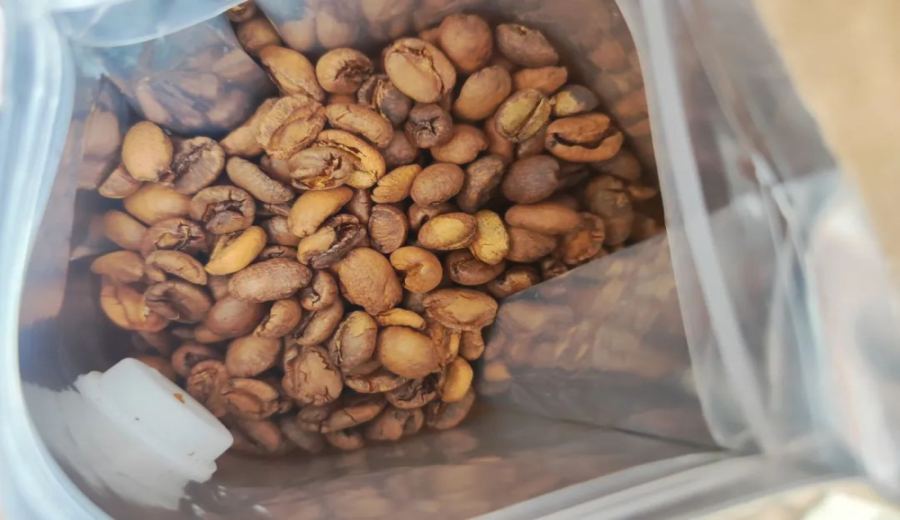
Introduction:Just opened a new bag of coffee beans and noticed that the beans vary in color? Don’t jump to conclusions about a failed roast just yet. This article takes an in-depth look at the multiple factors that influence the appearance and color of coffee beans—including green bean grade, honey processing methods, anaerobic fermentation, and even common processing defect characteristics—to help you accurately assess the condition of your beans and avoid misjudging good quality. It will also explain how roast level affects both the surface color of the beans and their flavor profile.
When you receive a fresh bag of coffee beans and open it only to find that the beans inside have inconsistent colors—some looking darker and others lighter—many people’s first reaction is: “Was something wrong with the roast?” In reality, coffee beans are agricultural products, and natural variation is normal. Just like other produce we encounter daily, no two beans are exactly the same in size, shape, or color.
First, there’s a common misconception that “good beans should be uniform in size and color.” However, many well-known coffee-growing regions—like Ethiopia—don’t grade their green beans primarily by size but by defect rate. As a result, it’s common to see beans of varying sizes. Ethiopian coffee grading is mainly based on the number of defects; whether a bean is large or small has little direct bearing on its grade. So, if you notice significant differences in bean size, it’s likely just a characteristic of the origin—not an indicator of poor quality.
People often ask, “Is this G1 or G2?” But such grading is mainly used as a reference in green bean trading to assess price and defect ratio. Even among G1 and G2-grade Ethiopian beans, after strict screening, the actual quality difference in the final market isn’t very noticeable. More importantly, an excessive focus on high-grade beans means roasters must invest more labor in defect sorting. That’s why many professional roasters opt instead for high-quality mid-to-high-grade beans to ensure great flavor while keeping costs manageable.
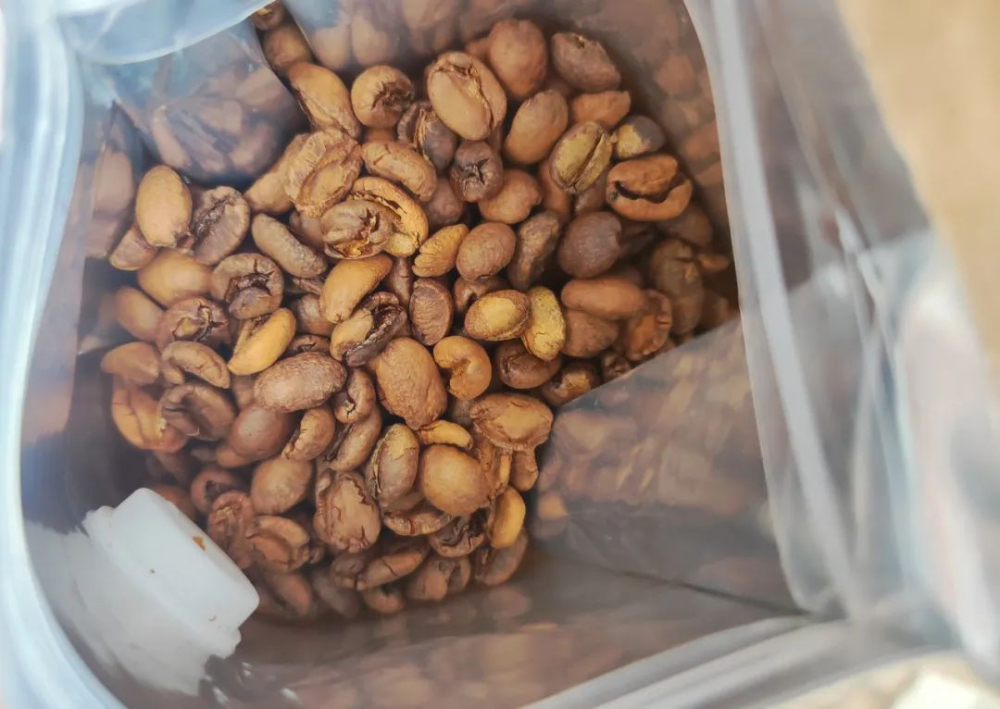
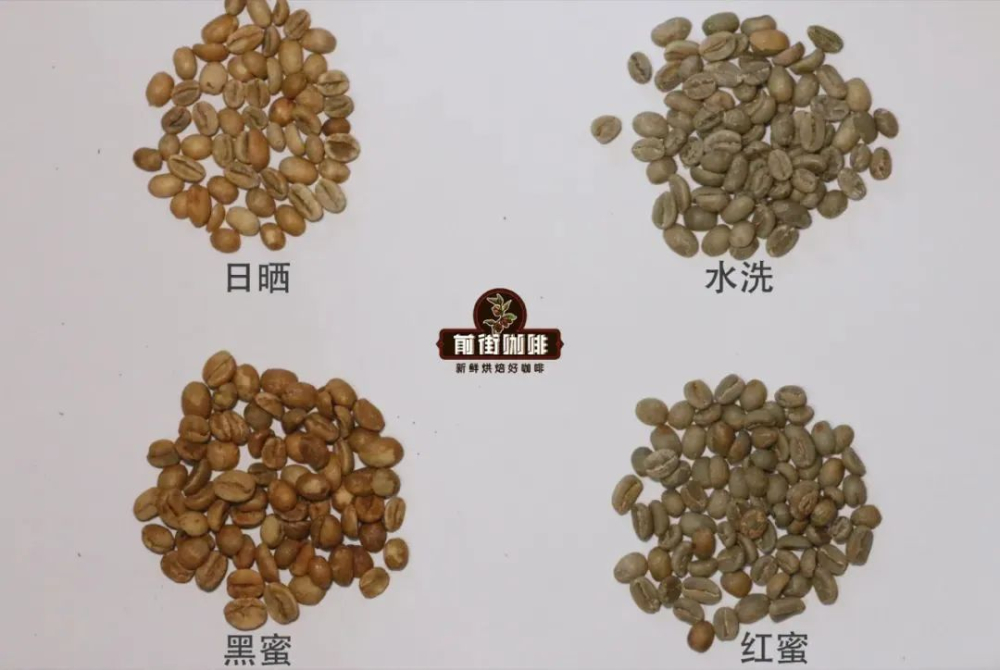
So why do some coffee beans show such obvious color differences after roasting? This is especially common with Costa Rican coffee. It’s not because the beans are of poor quality, but because Costa Rica widely uses the honey processing method. Honey processing falls between washed and natural methods—it removes the skin but leaves some of the mucilage on the bean surface during drying. As the sugars in the mucilage gradually seep out and adhere to the bean surface under sunlight, each bean absorbs slightly different amounts of sugar, leading to color variations even at the green bean stage.
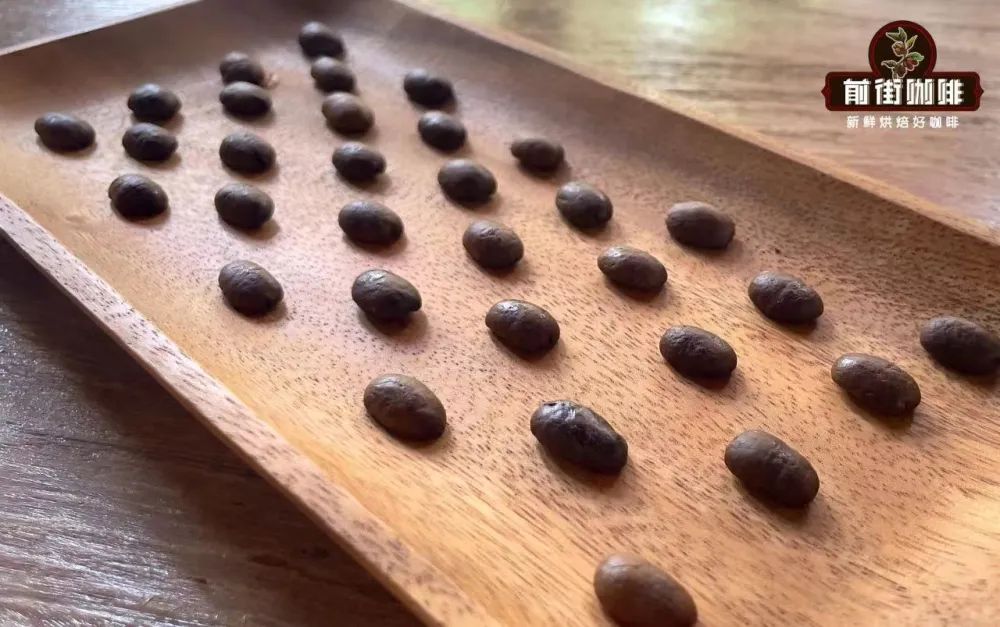
During the roasting phase, these sugars are more prone to caramelization, causing beans with more sugar to turn darker, while those with less sugar appear lighter—resulting in a more pronounced contrast in overall color. However, this color disparity doesn’t necessarily affect flavor. With proper roasting, excellent taste can still be extracted. For example, some professionally roasted sherry coffee beans are adjusted in roast level depending on intended use (e.g., pour over or espresso). The version meant for pour over might intentionally be light roasted to preserve more complexity, but the color variation is also relatively noticeable. Meanwhile, the version used for espresso blends may be roasted a bit darker to create a more uniform appearance, though the flavor profile will be slightly different as well.
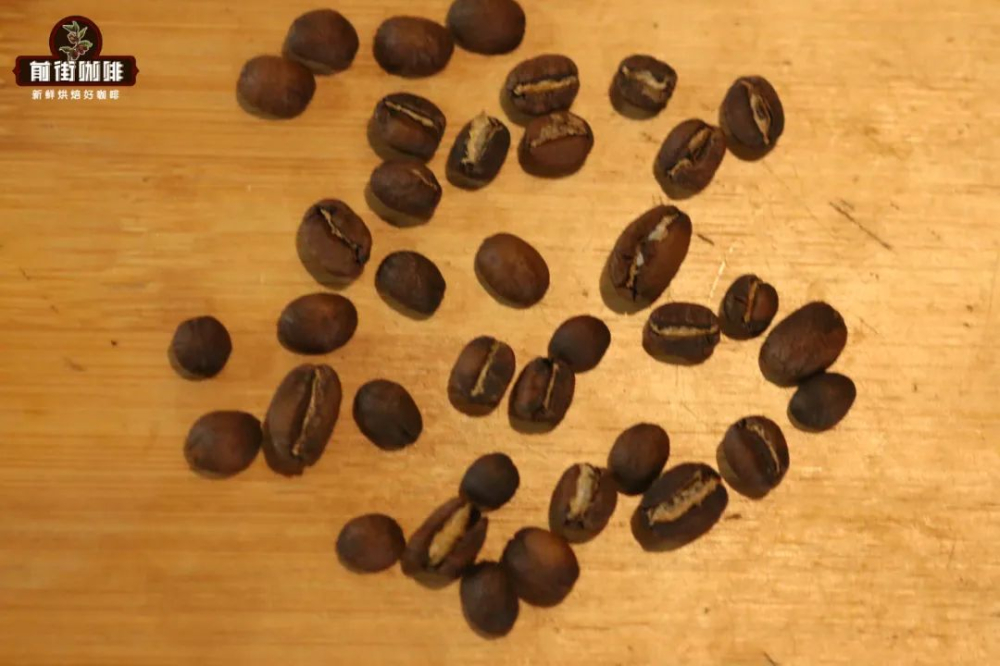
Additionally, coffee beans that undergo high degrees of anaerobic fermentation may also show obvious color differences after roasting—but this too is normal and not a defect, nor does it negatively impact the final flavor. The key is distinguishing these natural variations from true defective beans, such as the commonly mistaken “white-eye beans.”
White-eye beans are typically green beans made from unripe coffee cherries. They’re hard to identify during early processing stages, but after roasting, they exhibit a distinct light brown color and are often accompanied by unpleasant odors, such as roasted melon seeds or grassiness. White-eye beans mostly appear in regions using mechanical harvesting, such as Brazil. But with careful manual picking—selecting only fully red cherries—the proportion of white-eye beans is extremely low, usually just one or two in every three kilograms of green beans. Therefore, if you notice a large number of very light-colored coffee beans, they’re more likely just normal color variations rather than defective beans.
Besides white-eye beans, there are several other common bean appearance traits that are often mistaken for defects or uneven roasting—but are actually completely normal:
First are beans that are “highly wrinkled and have black spots.” These usually appear in high-altitude, washed-processed, light-roasted coffee beans. Because high-altitude beans are denser, rapid moisture evaporation during roasting causes the bean body to shrink and form wrinkles. Coupled with the shorter duration of light roasting, the beans aren’t fully expanded when removed, resulting in a less regular appearance. But these beans often have excellent acidity and layered flavors—and are definitely not defective.
Next is the case of “bean cracking.” Some beans crack more dramatically during roasting—especially during the first crack—due to a sudden increase in internal pressure, particularly in denser beans that absorb more heat. This can make the beans look split or incomplete. This too is a normal occurrence, which doesn’t affect flavor and can sometimes even improve extraction performance.
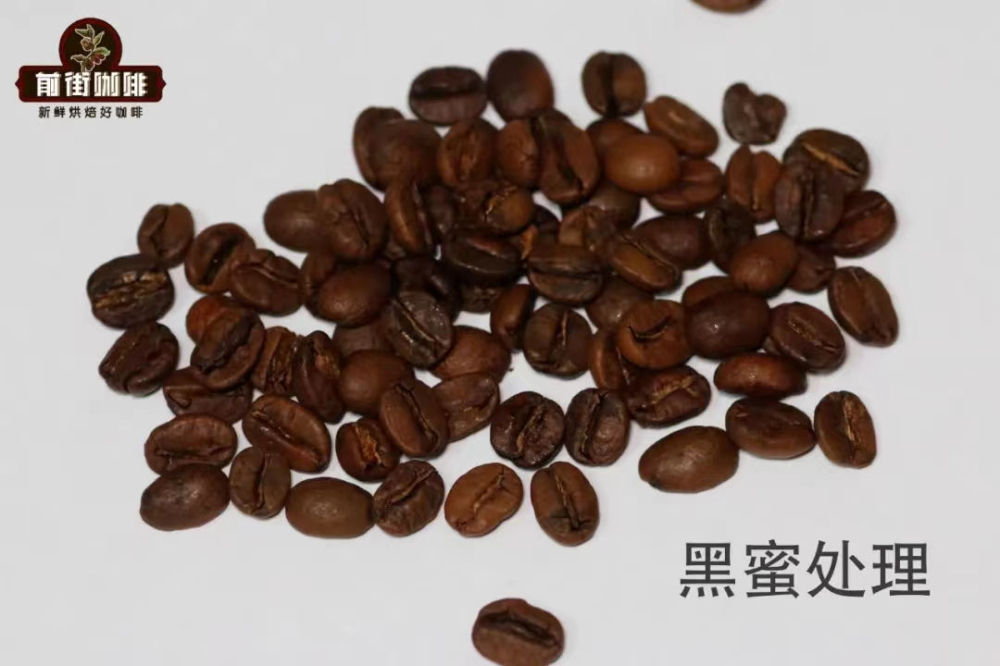
Finally, some beans may look uniquely shaped or sized, distinctly different from the others around them, leading one to assume they’ll negatively impact the overall flavor. But in fact, these are just beans with slightly unusual shapes or sizes—they’re not considered defects. Unless you’re particularly concerned about aesthetics, there’s no need to pick them out specifically.
In summary, color variations in coffee beans can stem from green bean processing methods, varietal characteristics, roast levels, or even natural variation. Understanding the reasons behind these differences can help you more accurately judge bean quality, avoid misunderstanding good beans, and enjoy the unique flavor of each cup of coffee with greater confidence.
The above content is compiled by CoffeeHunters, a coffee news website.


