







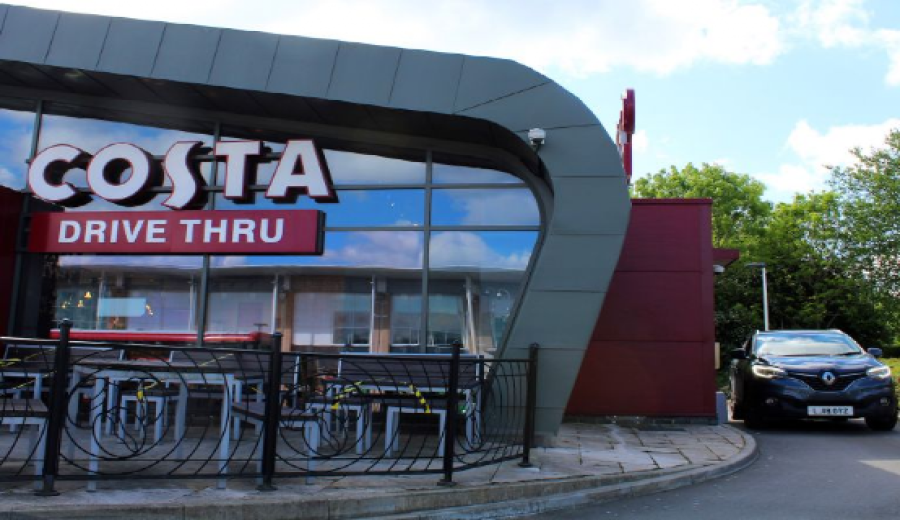
Introduction:When "drive-thru" became a symbol of convenience for fast coffee, a Scottish cycling enthusiast was denied service at Costa simply for riding a bicycle. This incident, which took place on June 25th local time, not only raised consumer concerns about fairness in service but also prompted a re-examination of the original intent behind drive-thru lanes. Is it truly about safety, or does it conceal discrimination? This article delves into the background of the event, compares international cases, and takes you through the current state and challenges of coffee takeout services.
In recent years, the drive-thru service has gained widespread popularity by meeting the demand for quick food and beverage pick-up, especially suiting the car-centric lifestyles in Europe and America. However, on June 25th, a Costa store in Scotland posted a notice stating that due to staff illness, only the drive-thru lane would be open—and explicitly specified that it was for motor vehicles only, refusing service to cyclists. When the individual entered the lane on their bike, the staff initially appeared hesitant, then refused service on safety grounds, and even called the police when the lane was blocked.
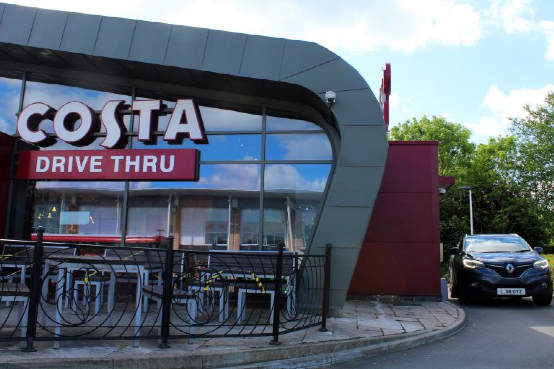
This is not the first time Costa has sparked controversy over similar policies. In June 2020, the brand publicly explained its refusal to serve cyclists, citing health and safety guidelines, and emphasized that bicycles are not taxed or insured like motor vehicles. However, this explanation was quickly refuted by the UK’s national cycling charity, which pointed out that Britain has had no so-called "road tax" since 1937, and that many drivers also cycle, while also paying vehicle excise duty and insurance for compliant emissions standards.
In this incident, a Costa spokesperson confirmed the operations at the Abbotswell Road branch to the media and apologized for the inconvenience during the closure. But in reality, while drive-thru lanes are designed to improve efficiency, they can also overlook the needs of non-motorized users. Notably, Dunkin’ Coffee in Quebec City, Canada, has set up a dedicated lane for cyclists, demonstrating the possibility of more flexible service.
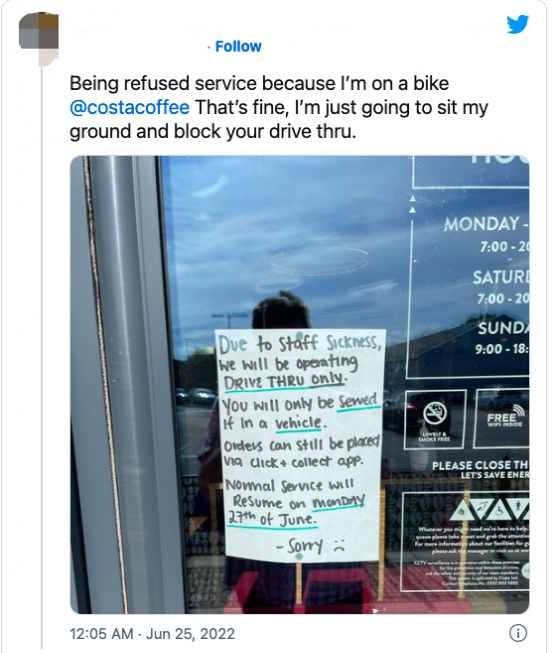
The drive-thru service originated in the 1970s, initially designed to save parking space. With the prevalence of mobile payments, it has further integrated features such as phone ordering and delivery options, becoming an important mode of modern coffee consumption. However, how to strike a balance between convenience and fairness remains a continuous challenge for businesses to optimize. For cycling enthusiasts, choosing coffee shops that support diverse modes of access—or confirming service policies in advance—can help ensure a smoother customer experience.
The above content is compiled by CoffeeHunters, a coffee news website.


