







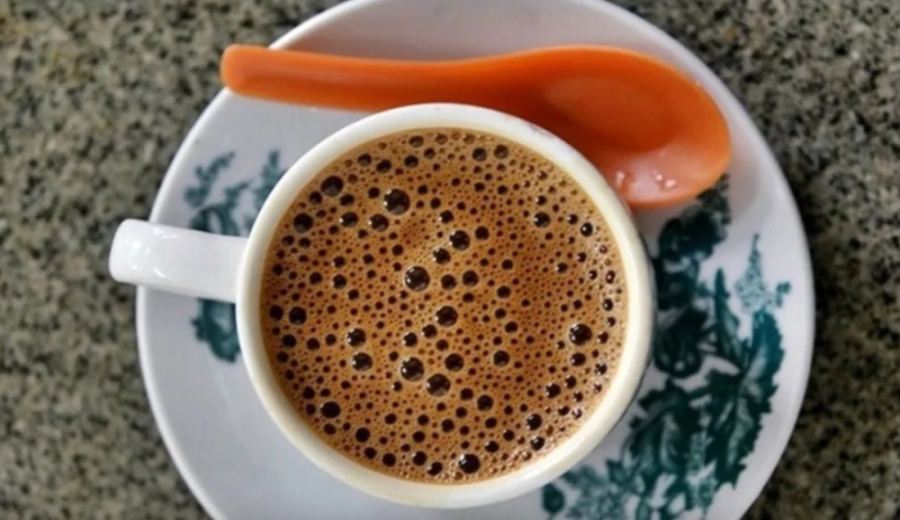
Introduction:Nanyang coffee is not just a daily beverage in Malaysia and Singapore, but also one of the origins of Chinese-style coffee culture. This article delves into how Nanyang coffee was created by Hainanese immigrants in the 19th century, blending Chinese cooking techniques with local seasonings to form a unique roasting and brewing culture. Readers will learn about the Hokkien logic behind classic order terms like Kopi and Kopi C, as well as the evolutionary relationship between Nanyang coffee and its variations such as white coffee and Oliang.
Nanyang coffee generally refers to the distinctive coffee beverages popular in Malaysia, Singapore, Indonesia, and Thailand, and it also marks the starting point of Chinese-style coffee memories for many Chinese families. In the 19th century, Hainanese immigrants brought Chinese bean-roasting techniques to the Nanyang region, combining them with the locally abundant Robusta coffee beans. By adding butter, sugar, and salt as seasonings, they successfully mitigated the intense bitterness, creating a rich and smoky flavor profile unique to the region.
To buffer the extremely strong taste, the Chinese community in Nanyang gradually developed a series of standardized coffee order terms, such as Kopi, Kopi C, Kopi O, etc. These names originate from Hokkien pronunciations and are finely distinguished based on whether condensed milk, evaporated milk, or sugar is added. This linguistic system not only facilitates ordering but has also become a cultural code within the Nanyang Chinese community.
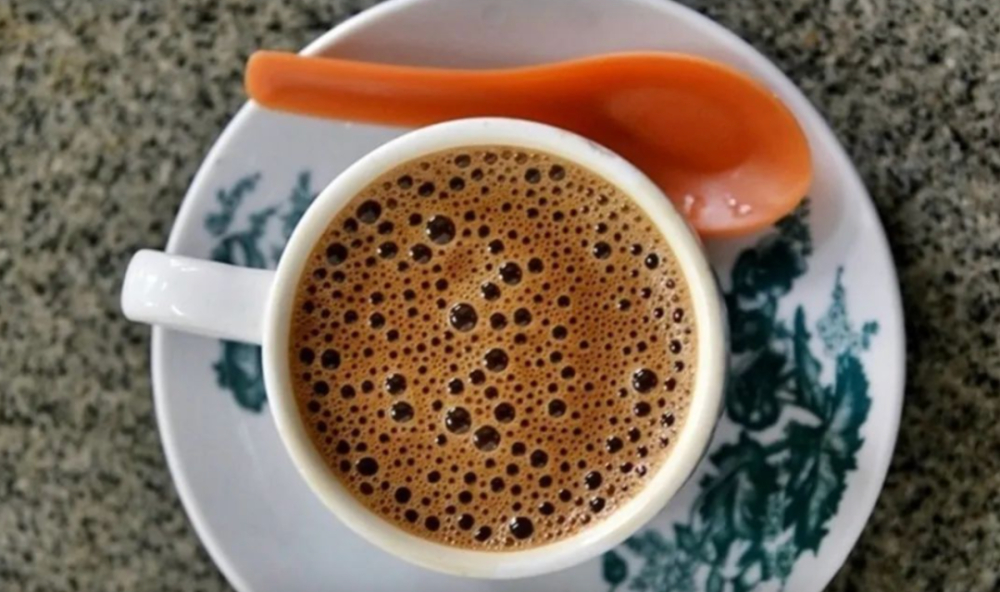
The so-called “Nanyang coffee” broadly refers to the unique coffee preparation and consumption methods in the Nanyang region, covering the entire process from bean selection and roasting to brewing. Because its production process differs greatly from today’s popular specialty coffee or pour over methods, the term “Nanyang coffee” is also often used to specifically refer to the Chinese-style coffee brewing tradition in Singapore and Malaysia, which later influenced the beverage cultures of Chinese communities in Hainan, Hong Kong, Macau, and beyond.
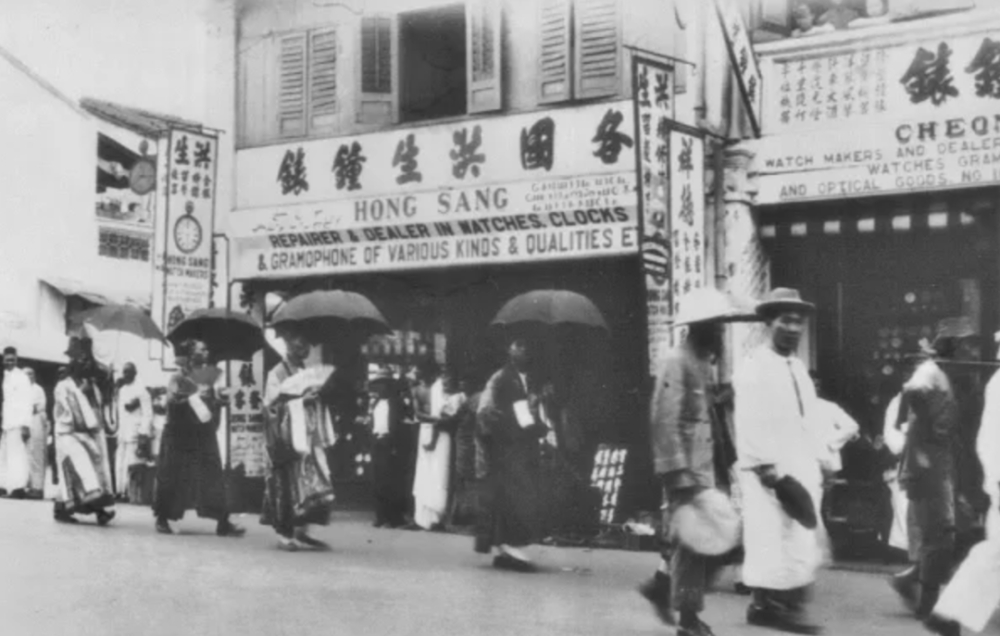
Looking back in history, since the Ming Dynasty, due to population pressure and the need to make a living, residents from China’s southeastern coastal areas began migrating en masse to the Indochina Peninsula, the Philippines, and the Indonesian archipelago in search of new farmland and business opportunities. This wave of migration, known as “going down to Nanyang,” gradually formed stable Chinese communities and introduced Chinese culinary culture to the region.
As one of the early migrant groups, the Hainanese, through their experience serving as cooks or beverage mixologists in Western communities, accumulated foundational knowledge in Western cuisine and coffee preparation. Over time, Cantonese women, who originally worked as domestic helpers, gradually replaced the Hainanese in household service roles, prompting the Hainanese to pivot toward the food and beverage industry—especially opening coffee shops—and transforming coffee beverages with Chinese-flavored modifications.
Coffee shops operated by Hainanese immigrants were already quite common in Singapore by the mid-19th century, where it was not unusual for a single family to own multiple establishments. The key reason their coffee gained popularity was their unique bean-roasting craftsmanship: Hainanese masters would add butter, sugar, and salt during the roasting process, typically introducing these seasonings when the beans were about 70–80% roasted, forming a caramelized protective layer on the bean surface. This not only reduced the harsh bitterness inherent in Robusta beans but also brought out a rich, toasty aroma.It’s important to note that the addition of sugar and fat causes the roasted beans to solidify quickly, so they must be ground immediately after roasting; otherwise, it can affect the extraction quality.
When talking about Nanyang coffee, one cannot overlook its well-known variation—white coffee. White coffee does not refer to black coffee with non-dairy creamer, but rather a modified version of the Hainanese roasting technique after it was introduced to Malaysia: sugar is no longer added, and the roasting level is reduced (so-called “light roast”), resulting in a smoother flavor and lighter color. This modification significantly reduces the bitterness, making it suitable for those unaccustomed to strong tastes.
However, even without the extra addition of sugar, the caramelization reaction during roasting still gives the coffee a naturally subtle sweetness. Since Robusta beans inherently have high caffeine content and are rich in antioxidants like chlorogenic acid, their bitterness becomes particularly pronounced after dark roasting. Therefore, Nanyang coffee often employs an extremely concentrated brewing method to fully showcase its rich and intense flavor characteristics. Many older immigrants recall that upon first trying it, they described the experience as being as intense as drinking strong liquor.
To make such strong coffee more palatable, the Chinese community in Nanyang developed a rich ordering system based on Kopi, giving rise to multiple variations:Kopi = black coffee + hot water + sugar + condensed milk; Kopi C = black coffee + hot water + sugar + evaporated milk; Kopi O = black coffee + hot water + sugar (no milk); Kopi C Kosong = black coffee + hot water + evaporated milk (no sugar); Kopi O Kosong = black coffee + hot water only; Kopi Gau = extra-strong Kopi; Kopi Poh = diluted version of Kopi; Kopi Peng = iced Kopi; Kopi Siew Dai = less sugar version; Kopi Ga Dai = more sugar version. All of these names are derived from Hokkien transliterations and are widely used in coffee shops across Nanyang.
This system not only allows customers to quickly express their preferences but also reflects the Nanyang Chinese people’s refined pursuit of coffee taste. Coffee is no longer just a pick-me-up beverage but has also become part of social interaction and identity. Anthropologist Chang Kwang-chih once pointed out: “To understand the core of a culture, one often starts with its food and taste memories.” Nanyang coffee shops are a microcosm of this culture, serving as emotional touchpoints for immigrant communities.
Over time, the way Nanyang coffee is made has also been adjusted according to the environment and dietary habits of different regions. For example, in some parts of Malaysia, the bean-roasting process no longer includes sugar; Thai Chinese incorporate spices and grains to create a distinctive coffee called Oliang; and Hong Kong immigrants once experimented with adding liquor to the beans during roasting to remove astringency and enhance aroma—when using this method, sugar or oil is usually no longer added.
No matter how the form changes, Nanyang coffee always carries the collective memory and cultural emotions of Chinese immigrants. Even as specialty coffee becomes increasingly widespread today, it remains an indispensable part of daily life for many Southeast Asian Chinese and serves as an important medium connecting generations and communities. After the pandemic, why not visit Nanyang in person, try a genuine cup of Kopi, and experience the history and human warmth condensed within?
The above content is compiled by CoffeeHunters, a coffee news website.


