








Introduction:Does dark roast coffee pose a cancer risk? This article delves into the formation mechanism of acrylamide, explores the connection between the Maillard reaction and roasted flavors, and clarifies the gap between "detection" and "actual harm" by comparing classifications from international authoritative agencies and common food content levels. From coffee to fried foods, uncover the truth behind the scientific data.
When family chat groups circulate messages claiming that "acrylamide in dark roast coffee beans is carcinogenic," many people can’t help but feel worried. Such claims suggest that the darker the roast, the higher the level of carcinogens—but is this really the case? Let’s break down the myth from a scientific perspective and clarify the true nature of acrylamide.
The discovery of acrylamide dates back to 2002, when Swedish researchers first detected this substance in high-temperature-processed potato products and grains. The study pointed out that it is one of the byproducts formed during the "Maillard reaction." This reaction is a complex chemical change between carbohydrates and amino acids at high temperatures, which gives food an appealing brown color and rich aroma.

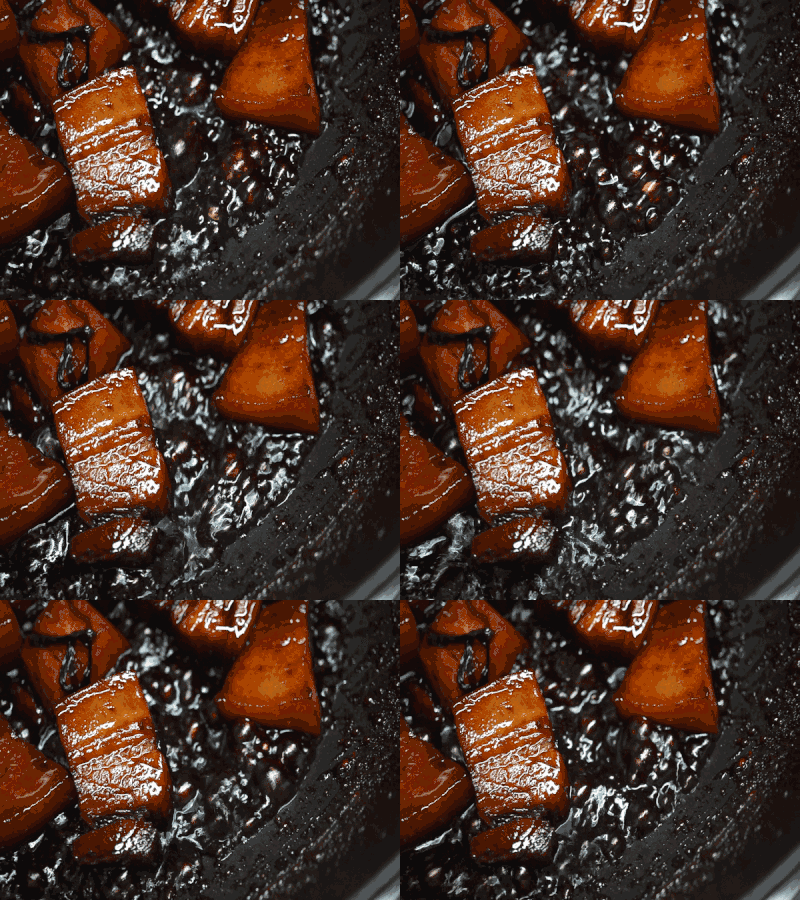
Notably, the Maillard reaction is not only present in coffee roasting but is also key to the color and flavor of common delicacies like red-braised pork and black sugar. When sugars and proteins in ingredients react at temperatures exceeding 120°C, they not only produce appetizing aromatic molecules but may also generate acrylamide as a byproduct. This explains why fried foods and high-temperature-baked grain products often show higher detected levels.
According to existing data, the average acrylamide content in coffee is about 150 mg/kg, which does not appear to be higher than some common foods. For example, black sugar has been measured at up to 860 mg/kg, while fried potato products typically have even higher levels. These numerical differences remind us that a single data point cannot fully reflect the overall risk—intake quantity and frequency must also be considered.
The International Agency for Research on Cancer (IARC) classifies acrylamide as a Group 2B "possibly carcinogenic to humans" substance. Animal studies have shown potential neurotoxicity, genotoxicity, and carcinogenicity, but human studies have yet to establish a clear dose-response relationship. It’s worth noting that the acrylamide intake from most daily diets remains far below the dosage levels at which significant effects were observed in animal experiments.
In reality, humans are exposed to acrylamide through various sources— from toast at breakfast to French fries in the afternoon, and even some vegetables may produce trace amounts of this substance during cooking. The key lies in maintaining dietary diversity and moderation, avoiding long-term excessive consumption of highly processed, high-temperature foods. For coffee lovers, moderate consumption is not a cause for panic, but attention can be paid to roast level selection and daily total intake.
Based on the current scientific evidence, we can draw the following practical advice: First, maintain a balanced diet and avoid over-reliance on a single type of highly processed food; second, understand the impact of different cooking methods on nutrition and potential risks; finally, adjust eating habits according to individual health conditions. Remember, enjoying food in moderation while maintaining a scientific attitude toward dietary information is the long-term path to good health.
The above content is compiled by CoffeeHunters, a coffee news website.


