







Introduction:Recently, a branch of the well-known coffee chain Manner Coffee in Shanghai was investigated by local market regulators due to poor hygiene conditions and improper food storage. This incident has drawn public attention to the food preparation processes and ingredient preservation in coffee beverages. This article delves into the details of the event, explaining which food storage steps are prone to errors and the food safety points that both consumers and businesses should pay attention to.
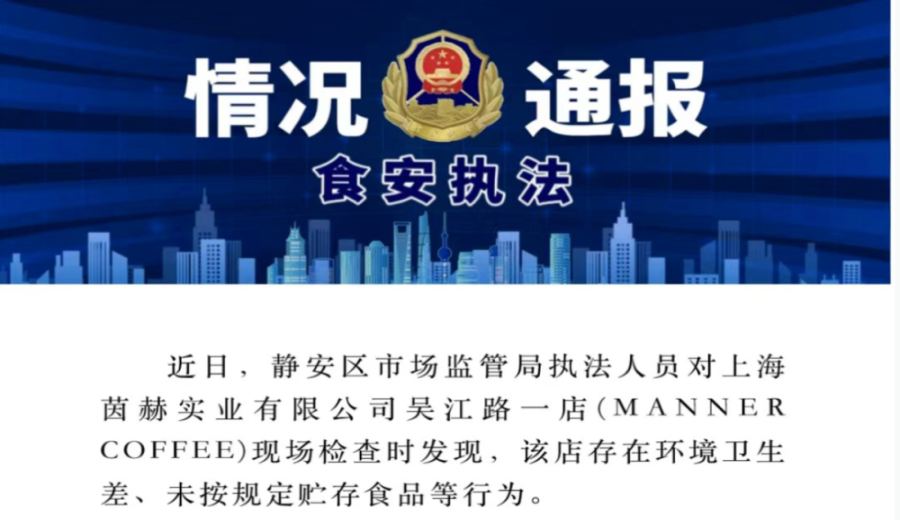
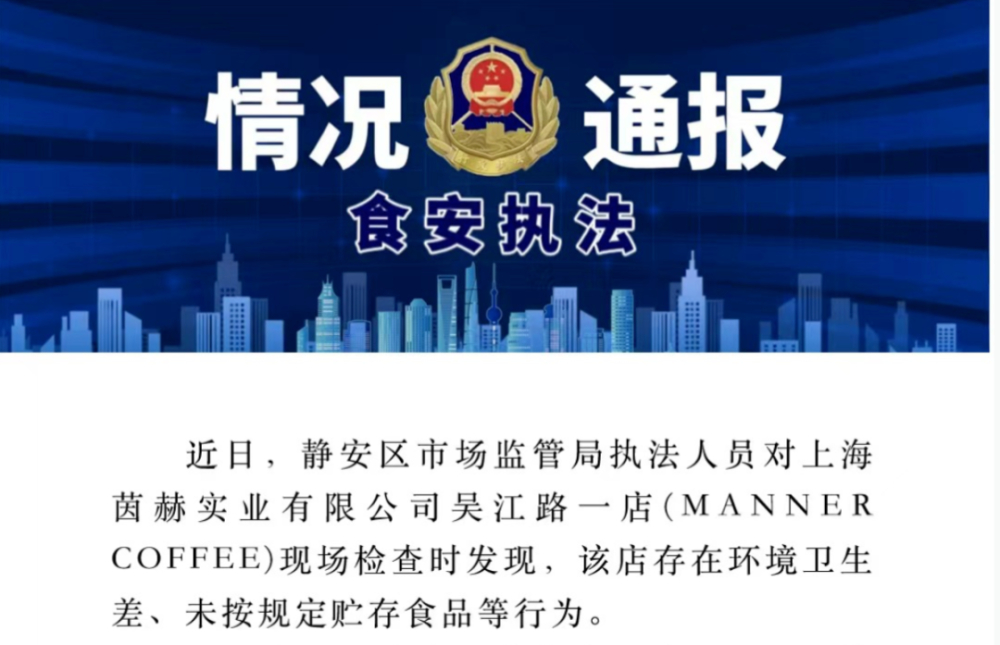
As Shanghai’s catering industry gradually resumes operations, some outlets have overlooked basic food safety standards amid the busy pace of business. According to an on-site inspection by the Jing’an District Market Supervision Bureau of Shanghai, a Manner Coffee branch located on Wujiang Road was found to have issues such as a dirty environment and improper food storage, leading to a formal investigation under the law.
It is understood that the food handling area of the outlet had large amounts of discarded packaging paper and stickers scattered across the floor, with visible stains. More worryingly, pre-packaged food items ready for sale were placed directly on the floor, posing a significant risk of contamination. Photos taken by enforcement officers on site showed suspected delivery items placed on the carpet at the entrance, with the overall environment being disorganized and chaotic.
Of particular note,two boxes of “Meiji Milk,” which are labeled as requiring refrigeration, were carelessly placed on the floor after being unpackedand were not stored in an environment with the appropriate temperature. In addition,seven unopened boxes of “Meiji Milk” were stacked directly on the ground outside the store, also failing to meet the 2°C to 6°C refrigeration requirements indicated on the product labels.
Enforcement officers on site ordered the outlet to immediately cease operations for cleaning, and to properly store all the milk in refrigeration equipment. They also emphasized the need to strictly inspect the condition of the food before reuse to ensure it had not spoiled or been contaminated. These improper practices not only affect product quality but also directly threaten consumer health and safety.
In this incident, the actions of the involved outlet are suspected of violating multiple clauses of the Food Safety Law of the People's Republic of China. These include Item (1) of the first paragraph of Article 33, which explicitly requires that food production and business premises maintain cleanliness and be kept at an appropriate distance from pollution sources; as well as Item (1) of Article 54, which states that food business operators must store food according to food safety requirements, regularly inspect inventory, and promptly deal with expired or spoiled food.
Market supervision authorities remind all catering businesses that they must fulfill their primary responsibility for food safety. Every step, from raw material procurement to preparation and storage, should be strictly controlled—especially ensuring that products are managed according to the storage conditions indicated on their labels—to guarantee consumer safety.
Especially in the hotter temperatures of May, dairy products that should be refrigerated can spoil rapidly if left at room temperature for extended periods, posing a serious threat to consumer health. Neither order pressure nor staff shortages can be used as excuses for neglecting food safety. Businesses should always stay vigilant about food safety, even during busy times, ensuring that every detail can withstand scrutiny.
The above content is compiled by CoffeeHunters, a coffee news website.


