







Introduction:The extraction time of espresso is a core element that influences its flavor — just a few seconds' difference can transform a balanced and smooth cup into one that is sharp and unbalanced. This article delves into the evolution from the traditional standard of 20–30 seconds in the early days to today’s scientifically optimized parameters based on a double basket, a 1:2 coffee-to-water ratio, and an extraction window of 25–30 seconds. It also explores how time adjustments can help you master the intensity and layering of your espresso, while offering practical application tips for two classic blends to help you find your ideal extraction rhythm.
Among all coffee brewing methods, espresso is uniquely sensitive to extraction time — even slight adjustments of just a few seconds can turn a rounded mouthfeel into something sharp, or transform a dull, thin liquid into one with distinct layers. This brief extraction window is the critical battlefield where professional baristas and enthusiasts fine-tune their craft.
Looking back at early espresso brewing guides, it was commonly recommended that both single shots (7–9 grams of coffee) and double shots (16–18 grams) be extracted within a range of 20 to 30 seconds, aiming to yield about 30 milliliters (1 ounce) of liquid. At the time, extremely dark roasted blends were the norm, and longer extraction times were used to bring out intense bitter and smoky notes — a formula that worked well in those days.
However, as coffee roasting techniques and quality control have advanced, the logic behind modern espresso extraction has shifted significantly. Today’s beans are typically medium-dark roasted, with stricter selection of green beans. Sticking rigidly to the old 20–30 second framework can easily lead to over-extraction or under-extraction. The current mainstream standard uses the double basket as the base unit, precisely controlling the coffee-to-water ratio at 1:2 (for example, extracting 40 grams of liquid from 20 grams of coffee) through accurate weighing, and locking the extraction time within the 25–30 second range. These parameters better highlight the fruit acidity, sweetness, and rich body of the coffee.
Key Details to Note: In practice, it’s recommended to first fix the coffee dose (e.g., 20–22 grams in a double basket), then adjust the grinder’s coarseness to control the flow rate, gradually bringing the extraction time into the target range. If the time is too short (below 25 seconds), it usually means the grind is too coarse or the tamp is insufficient, causing the water to pass through too quickly, resulting in a sour and astringent shot with lack of body. Conversely, if the time exceeds 30 seconds, it may be due to an overly fine grind or excessive tamp pressure, causing the coffee to over-release bitter compounds, often leaving a burnt aftertaste.
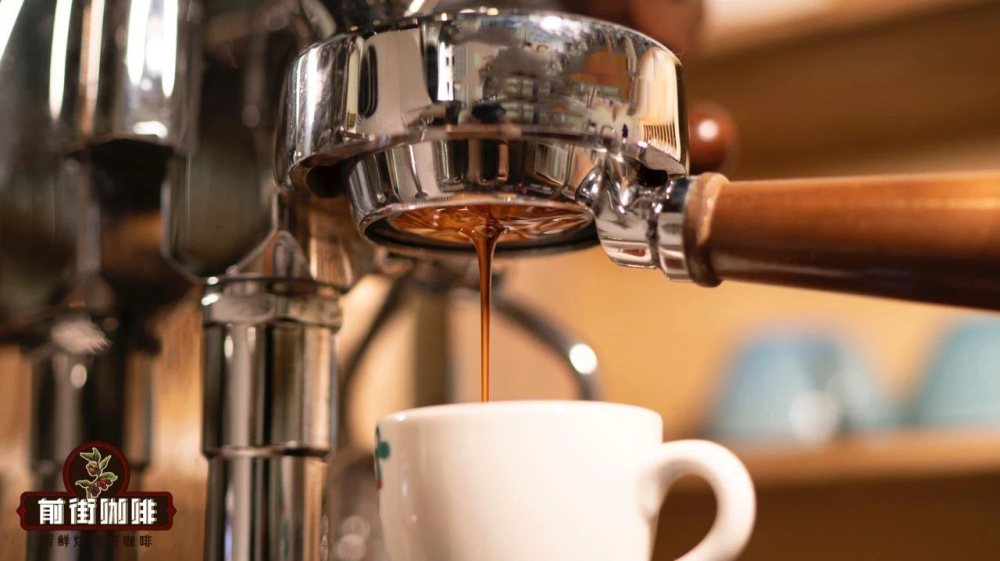
It’s worth noting that modern extraction parameters place greater emphasis on “weight” rather than the traditional focus on “volume.” In the past, filling a cup was often used as the endpoint, but differences in coffee density and flow rate can affect the actual composition. Using a scale to monitor the coffee-to-water ratio (commonly 1:2 or 1:1.8) allows for more precise control over the amount extracted. Additionally, the pre-infusion step should also be factored into the overall timing — some machines first release a small amount of low-pressure water to wet the coffee puck. Although this preparatory time isn’t directly counted in the main extraction phase, it affects the stability of the flow rate afterward, thereby subtly adjusting the final timing performance.
Want to consistently replicate an ideal flavor? After dialing in your preferred parameters, it’s recommended to pull 2–3 consecutive shots and record the time differences for each. If the variation is within 1 second, your setup is stable; if it exceeds 1 second, check the grinder’s consistency, the uniformity of the coffee dose, or whether there are fluctuations in machine pressure. Also,the combination of coffee-to-water ratio and grind size is crucial: Increasing the coffee dose will generally extend the extraction time, while grinding finer can slow the flow rate but may also cause channeling, which can disrupt the overall balance.
Extended reading on the application scenarios of two practical blends: The Classic Blend combines beans from Central and South America with a touch of Robusta, featuring a medium-dark roast that delivers pronounced caramel sweetness and rich crema, making it especially suitable for those practicing latte art or preferring milk-based coffee. Beginners can easily pull a golden crema with this blend. The Dark Cocoa Blend, centered around Yunnan washed beans and Brazilian semi-washed beans, offers a nutty profile accented by ripe plum acidity, paired with the dry aroma of creamy chocolate. Its crema has a delicate sheen, delivering a balanced taste whether brewed at home or in a café setting.
Finally, answering a common question: Is 25–30 seconds an absolute standard? The answer is no. Just as pour over coffee isn’t strictly limited to 2 minutes, the flexibility of espresso extraction time depends on the synergy of overall parameters — increasing the dose naturally extends extraction time, and special pre-treatment steps (like ultrasonic wetting) may also alter flow characteristics. The real focus lies in observing flavor feedback through time: when time, coffee-to-water ratio, and grind size form a stable triad, the resulting balance and layering in the cup are the ultimate criteria for evaluation.
The above content is compiled by CoffeeHunters, a coffee news website.


