







Introduction:Following cross-industry brands such as China Post and Tongrentang, Li-Ning has officially announced its entry into the coffee market under the brand name “NING COFFEE,” with plans to offer coffee services in over 7,000 of its stores nationwide. If fully implemented, the number of NING COFFEE outlets could rival or even surpass that of Luckin. This article delves into NING COFFEE’s strategic layout, brand motivations, and how it aims to break through in the highly competitive coffee market by leveraging its existing resources.
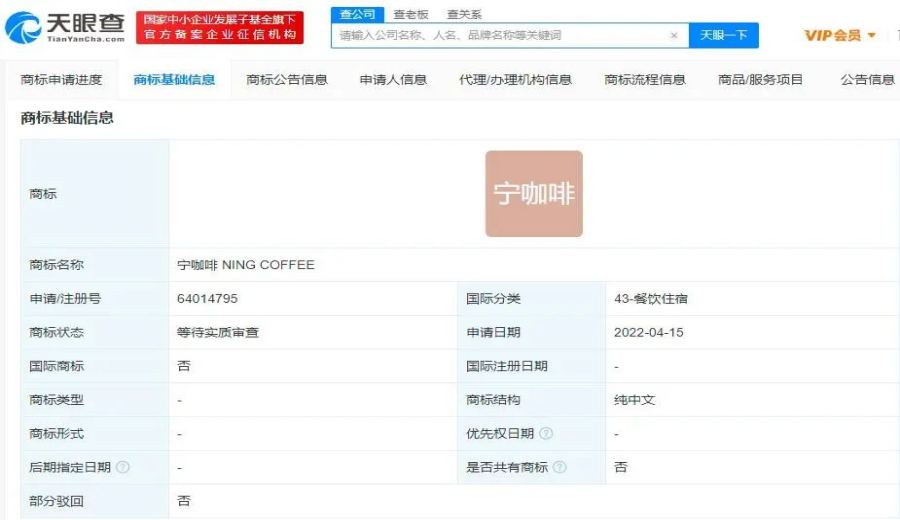
After traditional enterprises such as China Post, Doggyman, Tongrentang, and PetroChina successively ventured into the coffee industry, the well-known sportswear brand Li-Ning has officially joined this wave of cross-industry expansion. Recently, Li-Ning (Shanghai) Sports Co., Ltd. applied to the Trademark Office to register the “NING COFFEE” trademark and publicly stated that it will provide coffee services in its physical stores, drawing significant market attention.
Li-Ning’s foray into the coffee business is not sudden. According to its 2021 annual report, the brand operates 7,137 stores nationwide. If coffee services were to be fully integrated, the scale of NING COFFEE outlets would immediately rank among the top in the market, with potential store numbers even expected to surpass those of the current market leader, Luckin Coffee. This move not only demonstrates the brand’s ambition for diversified development but also raises questions: Is Li-Ning genuinely committed to making great coffee, or is this merely a marketing strategy disguised as an upgrade in brand services?
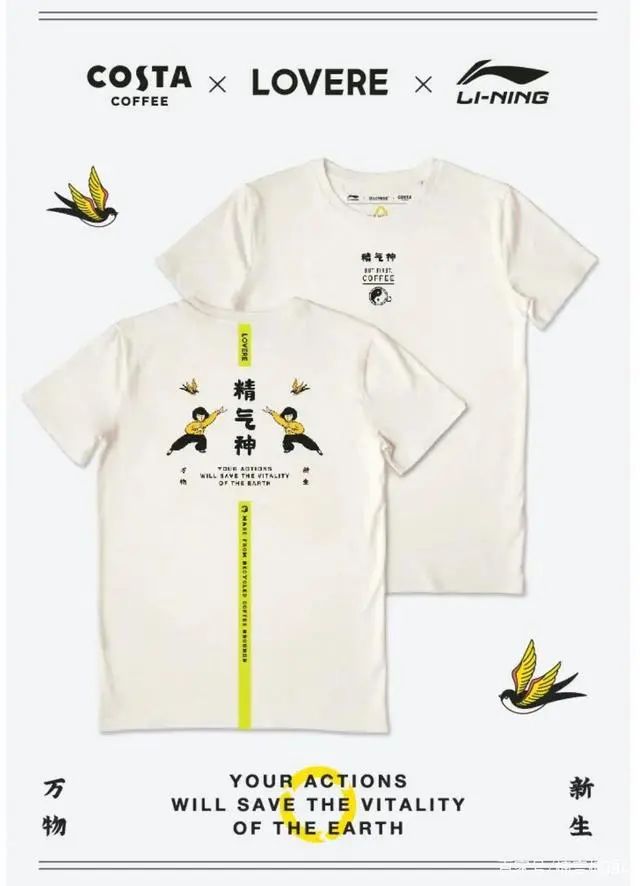
In fact, Li-Ning began experimenting with coffee-related innovative material applications as early as 2013. At that time, the brand used special technology to grind and heat-treat coffee grounds, transforming them into textile materials with antibacterial, deodorizing, heat-retaining, and warming properties, launching an environmentally friendly line of sportswear. By 2020, Li-Ning further collaborated with Aihuishou and COSTA to release limited-edition eco-friendly T-shirts made from coffee grounds, showing its prior research and experience in utilizing coffee elements.
In recent years, Li-Ning has become more proactive in experimenting with coffee services. In November 2022, during events held at some of its stores, customers who made purchases on-site could enjoy free freshly ground coffee bearing the Li-Ning logo. In February of this year, a newly opened store in Guangdong even featured a coffee cart in the style of Li-Ning, with the words “Li-Ning LOGO X CAFE” printed on the cart and the coffee machine distinctly branded. The setup also included camp-style tables and chairs, offering consumers a leisurely coffee-drinking experience.
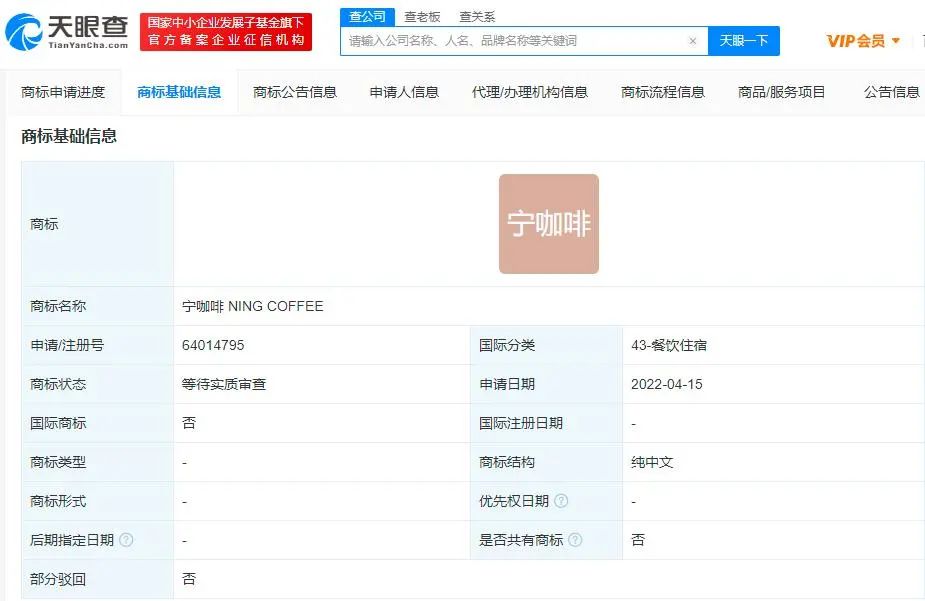
After a period of trial, Li-Ning officially completed the trademark registration application for the “NING COFFEE” brand logo on April 15 this year. Although still under review, the brand quickly launched its first physical “NING COFFEE” outlet at its flagship store in Xiamen, Fujian, on April 30. This move immediately sparked heated discussions online, with some consumers expressing willingness to continue supporting this new brand with a Chinese fashion flair, as long as the coffee flavor is decent and the price is affordable.
However, the market still has doubts about NING COFFEE’s prospects. After all, compared to professional coffee brands, Li-Ning lacks a background in coffee preparation, and whether its products can gain consumer recognition remains to be seen. But there’s no denying that, with its extensive store network across the country—from first-tier cities to county-level towns—NING COFFEE holds a geographic and brand exposure advantage that is hard for other emerging coffee brands to match.
Li-Ning officials emphasized that the original intention behind launching coffee services is to enhance the shopping environment and improve customers’ comfort and overall experience in-store, rather than simply entering the coffee market. This suggests that NING COFFEE may lean more toward an extension of store services, aiming to attract younger consumer groups, strengthen the brand image, and thereby boost the primary sales of sportswear.
For cross-industry brands, coffee is often seen as a high-value-added “soft service” that can enhance store appeal without posing significant operational risks. Whether or not Li-Ning can ultimately establish a solid foothold in the coffee market, this move has already successfully generated market buzz and infused the brand with more lifestyle-oriented appeal. In the fiercely competitive coffee industry, it remains to be seen whether NING COFFEE can carve out its own space with its vast store base and differentiated strategy.
The above content is compiled by CoffeeHunters, a coffee news website.


