







Introduction:In recent years, an increasing number of delivery coffees have adopted a format where the espresso concentrate and milk are packaged separately, requiring customers to mix them themselves upon receipt. This "pouch-insertion packaging" not only solves issues such as the dissipation of milk foam and flavor loss during delivery, but also caters to the younger generation’s desire for a more hands-on experience. This article delves into the consumer psychology, practical advantages, and potential challenges behind this design, helping you better understand this new trend in coffee delivery.
Nowadays, when you order a coffee for delivery, sometimes what arrives isn’t a ready-to-drink beverage, but rather pre-packaged espresso concentrate, milk, and even ice cubes that you have to mix yourself. This form of delivery, dubbed "pouch coffee," is gradually becoming a hot topic on social media platforms. It not only overcomes common issues with traditional delivery coffee—such as collapsed milk foam and diluted flavors—but also aligns with modern consumers’ preference for actively participating in the preparation process.
According to a 2021 survey by Deloitte, the total number of cafes in China has approached 110,000, with independently operated small coffee shops accounting for as much as 87% of the total, while chain brands make up only about 13%. For these independent shops, delivery services have long been a vital part of their operations. However, compared to bubble tea, coffee has traditionally offered fewer customization options for delivery, often leading to customer complaints about the inability to adjust strength or milk quantity, or even spillage due to rough handling during transit.
To address these problems, many shops have begun to change their strategy: instead of pre-mixing all ingredients, they now package them separately. A common approach is to pack the espresso concentrate in a pouch with a nozzle, the milk in a separate bag, and the ice cubes in a clear plastic cup.
This packaging method not only helps preserve the flavor of the drink but also adds a touch of visual fun. On social platforms like Xiaohongshu, many users have shared their experiences with receiving such pre-packaged coffee, including offerings from Yangzhou-based brand HungryPuff. This packaging format isn’t entirely new—in fact, it was previously used to tackle delivery challenges such as milk foam collapse, rapid ice melt, and overall flavor degradation. "Pouch coffee" is an upgraded version of this concept.
The rapid rise in popularity of pouch coffee is not only due to practical considerations but also closely tied to current consumer psychology. Its packaging design draws some inspiration from the once-trendy convenience store cocktails—where small bottles of liquor are inserted upside down into drinks—creating buzz and novelty through innovative consumption methods, successfully attracting young consumers to give it a try.
Initially, the separated packaging design was mainly driven by practical concerns: the goal was to preserve the original flavor of the coffee as much as possible. If the espresso concentrate is mixed with milk or other components too early, the shaking and temperature changes during delivery can easily lead to flavor loss. But as market competition intensifies, businesses have also started to invest more creativity in packaging design. In an era where "aesthetics equals righteousness," the delicate and compact individual packaging, paired with minimalist yet stylish graphics, makes this type of coffee inherently shareable on social media, further fueling its popularity.
In addition, today’s young consumers’ pursuit of a sense of "participation" and "ritual" is also a key factor driving the popularity of pouch coffee. On Xiaohongshu, discussions about DIY beverages are endless—from recreating classic drinks from well-known chain brands to adjusting ratios to create new flavors, many people enjoy the pleasure of making their own drinks. Pouch coffee provides just such an opportunity, allowing consumers to control the ratio of espresso to milk and craft their ideal flavor.
However, this separated packaging format is not without its drawbacks. Although the espresso concentrate, when packed in nozzle bags, can temporarily retain its aroma and layered profile, practical tests show that after sitting for about half an hour, the aroma of the extracted and bagged concentrate noticeably weakens; if refrigerated overnight, the overall flavor may even drop by more than half, making it less suitable for bulk pre-purchasing and stockpiling.
Moreover, separated packaging means using more packaging materials, which places a greater burden on the environment. While the coffee industry actively promotes environmental awareness—such as using coffee grounds to make merchandise—the additional packaging introduced to enhance the consumer experience also generates more waste, a contradiction that deserves reflection from both the industry and consumers.
As consumer demands continue to evolve, the format of delivery coffee is also constantly innovating. In the future, we may see more versions of delivery coffee solutions, but for now, pouch-style packaging remains a practical innovation that balances flavor, experience, and market needs.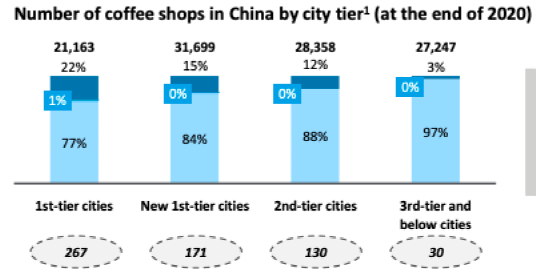
The above content is compiled by CoffeeHunters, a coffee news website.


