







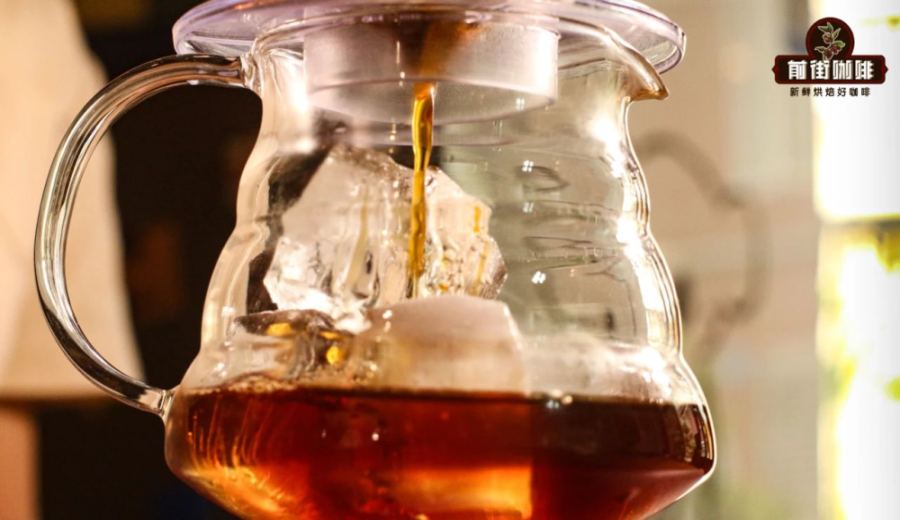
Introduction:Drip coffee is renowned for its low-temperature slow extraction and is a refreshing yet profound coffee choice for summer. However, within its seemingly simple brewing process lie several easily overlooked key details — from the selection of coffee beans, the handling of the coffee bed, to water quality and drip rate control — all of which directly impact the final flavor profile. This article will take you through an in-depth analysis of five commonly neglected important aspects in drip coffee brewing, helping you improve extraction efficiency and taste complexity, making every drop of drip coffee more perfect.
Drip coffee is a beloved cold brew method using low-temperature extraction during the summer. Although its operation steps may not seem complicated, making a drip coffee with balanced flavor and distinct layers still requires attention to many details. Neglecting these key elements can easily affect the overall extraction performance, leading to subpar flavors. The following will focus on the five most commonly overlooked details in drip coffee preparation — from coffee bean selection to post-extraction handling — providing more comprehensive operational suggestions to help you better understand how to optimize the entire process.
1. Use coffee beans that have been rested after roasting
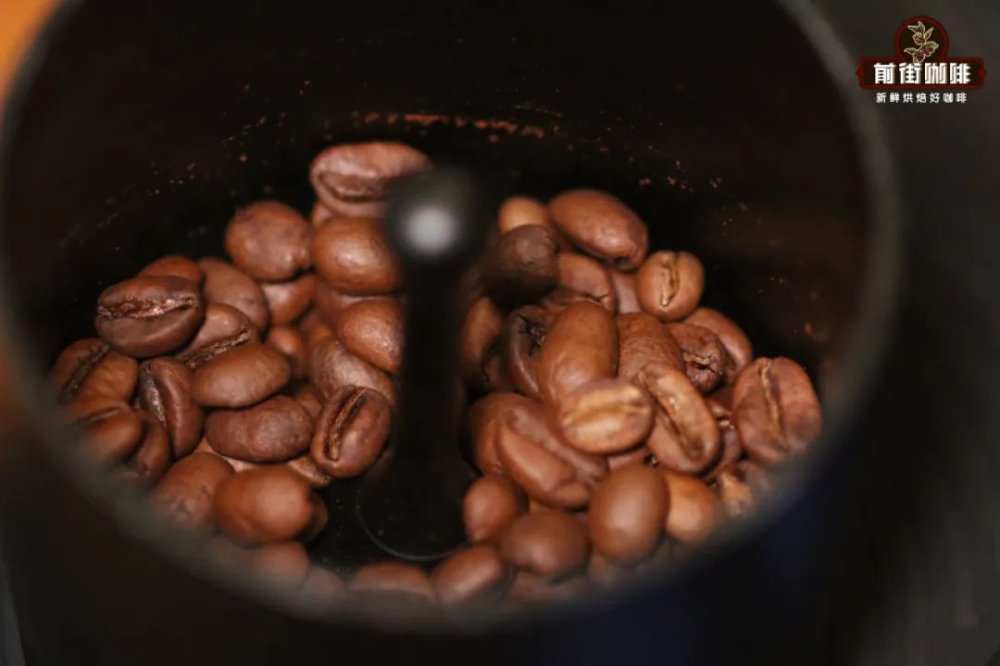
Many pour over coffee enthusiasts prefer freshly roasted beans to obtain rich aromas. However, in drip coffee, the freshness of the beans is not the primary concern; stability and gas release are more important. Freshly roasted coffee beans contain a large amount of carbon dioxide, which can easily cause channeling during the dripping process due to gas release, affecting extraction uniformity.
It is recommended to choosecoffee beans roasted for more than 20 days, by which time most of the residual gases inside the beans have been released, helping to create a more stable extraction environment. Some users even repurpose well-aged beans that are no longer suitable for pour over for drip coffee, and are able to extract a richer and smoother taste. But be aware that if the beans have developed obvious woody, burnt-bitter, or off-flavors, they should no longer be used.
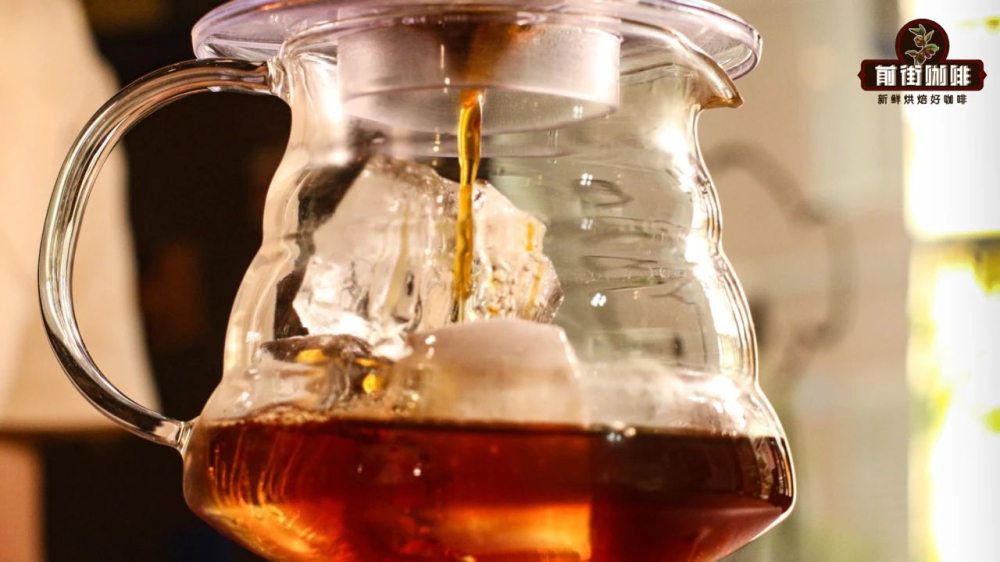
2. Place a round filter paper on top of the coffee grounds chamber
The upper part of the coffee grounds chamber in many drip devices is not designed with a dedicated filter screen. Pouring coffee grounds directly into it can easily lead to uneven distribution of the coffee bed, which in turn affects the dripping flow rate and uniformity. Placing around filter paperon top of the coffee grounds chamber can effectively help the coffee grounds lay flat and even, avoiding overly dense or hollow areas locally, which helps improve overall extraction stability and smoothness.
Although this step may seem simple, it can effectively reduce the occurrence of subsequent channeling and make the final flavor profile more consistent.
3. Pre-wet the coffee grounds layer in advance
Before officially starting the drip extraction, it is recommended to uniformly pre-wet the entire layer of coffee grounds. This step has three main benefits: first, it can shorten the overall extraction time; second, it reduces the risk of channeling; third, it ensures the entire coffee grounds layer is evenly saturated, avoiding any parts drying out.
The method of pre-wetting is usually to slowly pour a small amount of room temperature water to allow the surface of the coffee grounds to fully absorb moisture, but be careful not to pour too much at once, causing the water to pass straight through the coffee bed. Once the surface of the coffee grounds shows a uniformly moist state, you can then begin the official dripping process, which helps the overall extraction proceed more smoothly and stably.
4. Pay attention to the purity of water and ice
The ice and water used in drip coffee directly affect the dripping speed and final taste. If the water has high levels of calcium or magnesium, or the ice contains impurities, it can easily produce white precipitates during the dripping process, which may clog the dripping valve, causing the dripping speed to noticeably decrease or even stop completely.
It is recommended to use filtered pure water or soft water to make ice, and ensure that the ice itself comes from a clean, impurity-free source. If you are performing a long-duration drip extraction, it is advised to check the dripping speed approximately once every hour. Once you notice the dripping becoming slower or unstable, you should immediately inspect whether it is caused by impurity buildup, and clean or replace the water and ice sources if necessary.
5. Recommend refrigerating and resting for 12 hours after filtration
After the drip coffee has completed the filtration process, it is not recommended to drink it immediately. The best practice is to pour the finished coffee liquid into a sealed container,and refrigerate it for about 12 hours. In a low-temperature environment, the components in the coffee liquid will continue to undergo slight fermentation reactions, which help integrate the flavors and produce a softer, richer layered taste.
After this resting period, the acidity of the coffee usually becomes more balanced, while also bringing out a more pronounced sweetness and fermented aroma, making the overall flavor curve more complete and the taste smoother and more profound.
In summary, the charm of drip coffee lies not only in its refreshing low-temperature characteristics, but also in the refined extraction experience brought by meticulous control of details. By mastering aspects such as bean selection, coffee bed handling, water quality management, and post-brew resting, you can also easily produce drip coffee close to a professional level at home, and enjoy the most captivating coffee moments of summer.
The above content is compiled by CoffeeHunters, a coffee news website.


