







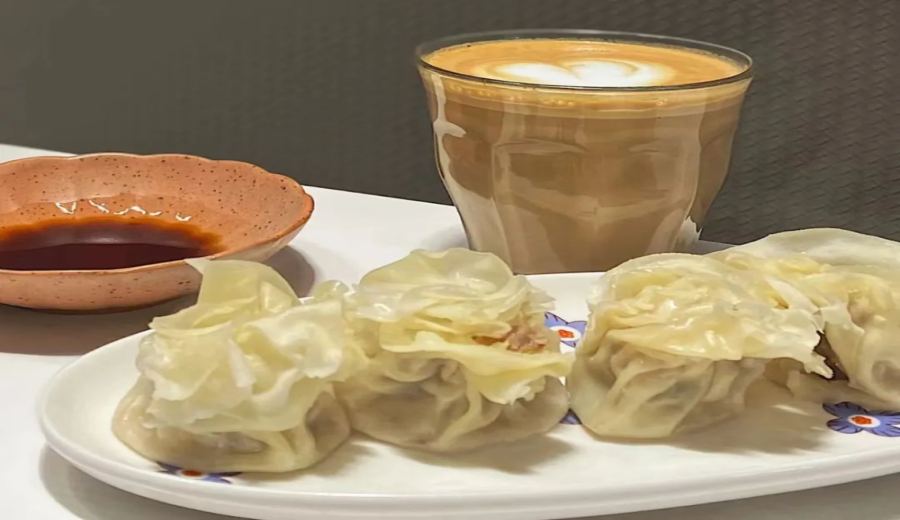
Introduction:When Chinese savory pancakes meet pour over coffee, this seemingly unconventional pairing of a traditional Chinese breakfast with coffee is sparking a social media trend in cities like Shanghai and Hangzhou. This article delves into the consumer psychology, market drivers, and culinary culture evolution behind the trend, explores its potential as an innovative direction for cafés, and offers practical flavor pairing suggestions along with market insights.
The growing popularity of coffee in China has not only changed drinking habits but also redefined pairing scenarios. From shaomai served with Ethiopian pour over, to dim sum shops selling coffee, to savory pancakes becoming a new café offering—these cross-category combinations have sparked widespread discussion. Some see this as a natural evolution toward everyday integration, while others question the business logic. But there’s no denying that such boundary-pushing attempts are bringing coffee closer to everyday life.
“What did you have for breakfast today?” The answer to that question might now shift from a sandwich to savory pancakes paired with pour over. Consumers’ boundaries around coffee are continually expanding, no longer limited by specific times or traditional pairings. Much like soy milk or tea, coffee is gradually becoming part of daily life—an option for any moment.
Not only are consumer habits changing, but so are coffee sales scenarios. A café in Shanghai was the first to introduce savory pancakes, and this seemingly mismatched pairing quickly drew significant attention upon its debut. According to customer feedback, trying it often meant waiting in line for over an hour, with daily limited availability and frequent sell-outs by noon.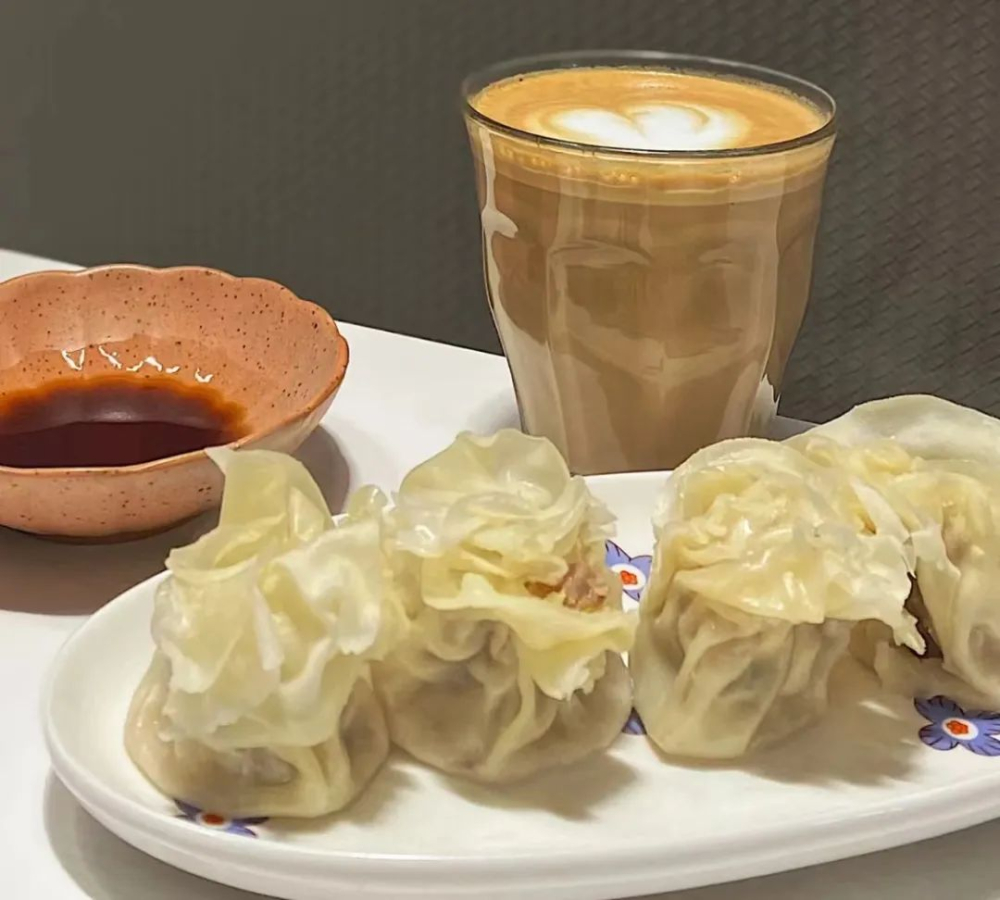
Since Shanghai set the precedent, cafés in cities like Hangzhou, Chengdu, and Guangzhou have followed suit. Although the overall price is about 15–20% higher than buying the pancake and coffee separately, this combination has successfully attracted younger consumer groups. Market reactions are mixed: some find the pricing steep, while others appreciate the creative fusion of Eastern and Western elements.
For regulars, it may be a routine pairing; but for newcomers to coffee, the combination delivers a strong visual and sensory impact. Traditionally, coffee is often paired with Western pastries, but the blend of Chinese breakfast and pour over challenges this fixed mindset, offering consumers a fresh experiential opportunity.
The rise of this trend is closely tied to shifts in consumption habits among younger generations. Modern consumers are increasingly open to non-traditional pairings and seek personalized dining experiences. In fact, similar combinations have long appeared in overseas Chinatowns, catering to the traditional breakfast needs of the Chinese community while providing a caffeine boost.
In the face of skepticism, it’s important to recognize that the essence of coffee culture’s popularization lies in making it an everyday beverage. Pairing coffee with Chinese breakfast helps reduce the psychological distance consumers feel toward coffee. If this “attention-grabbing” strategy succeeds, it can bring economic returns to cafés while helping consumers develop a healthier perception of coffee.
As for whether this combination will become an industry trend, it’s too early to say for certain. But innovation always requires pioneers. Through continuous experimentation, coffee can truly become a universal everyday drink. The key is to help consumers understand: coffee knows no class, it doesn’t discriminate in pairings—it can be a natural companion to any occasion or dish.
The above content is compiled by CoffeeHunters, a coffee news website.


