







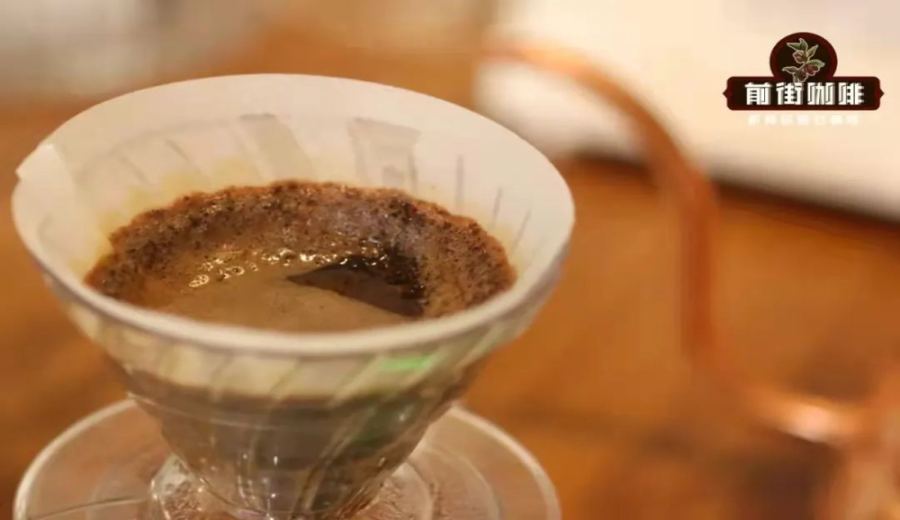
Introduction:When pouring over Panamanian Geisha, do you often encounter slow water flow or even complete blockage? This practical guide delves into the common causes of clogging, analyzing factors such as coffee bean characteristics, grind size, filter paper and dripper compatibility, and pouring techniques. It provides specific solutions for improvement and shares hands-on tips to maintain smooth water flow, helping you enhance extraction efficiency and flavor expression.
Panamanian Geisha is a favorite among many coffee enthusiasts for its unique floral and fruity aromas and bright acidity. However, during pour-over brewing, it’s not uncommon to experience a sudden drop in water flow or even complete blockage, which can be quite unexpected. Based on practical experience, this article systematically analyzes the four main causes of clogging when pour-over brewing Geisha: the inherent characteristics of the coffee beans, grind size settings, the compatibility between filter paper and dripper, and pouring technique. Clear suggestions are provided for each issue, offering practical methods for both beginners and seasoned brewers to achieve smooth water flow and fully release the coffee’s flavors.
First, the condition of the coffee beans themselves is one of the common causes of clogging.Panamanian Geisha is typically light roasted,and the beans are relatively hard with high density. If the beans are not rested long enough, the carbon dioxide trapped inside is released in large amounts during pouring, causing fine particles to surge and easily clog the filter paper pores, resulting in slow water flow. In such cases, it is recommended to extend the resting period or perform an additional pre-bloom to allow the internal gases to escape fully, which can help improve water flow. (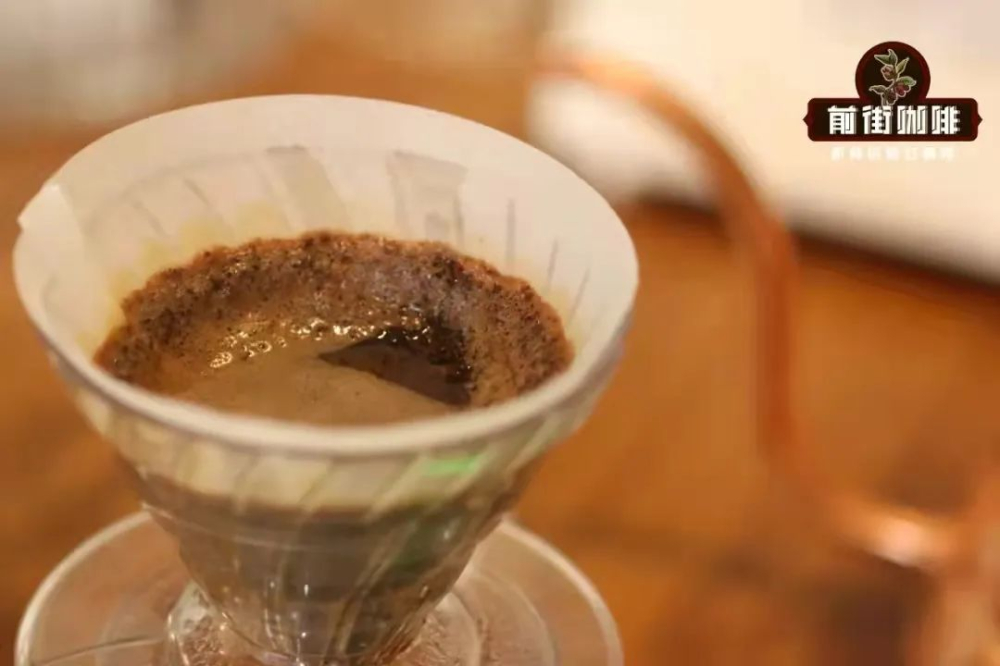 )
Second, grinding the beans too finely is another common cause of clogging.Geisha has delicate flavors,and many people instinctively grind the beans finer in hopes of extracting more aroma. However, overly fine particles can quickly settle at the bottom of the filter paper, forming a dense, muddy barrier that makes it difficult for water to pass through. It is recommended to adjust the grind size for Geisha slightly coarser, by about one to two notches, and to check whether the grinder burrs are worn to avoid producing too many ultra-fine particles, which can affect filtration efficiency. (One to two notches, and check whether the grinder burrs are worn to avoid producing too much superfine powder, which can affect filtration efficiency. (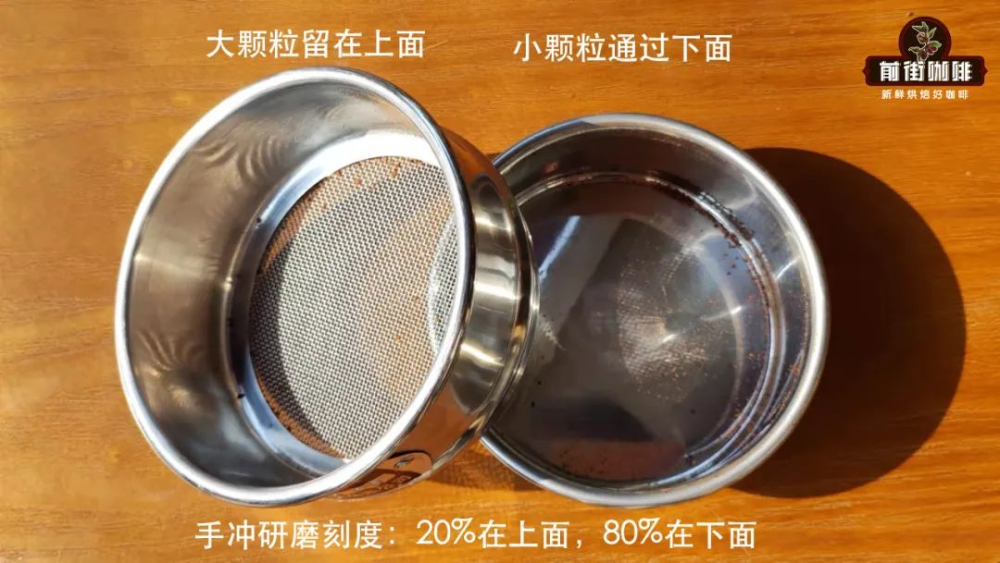 )
The combination of filter paper and dripper also affects water flow performance. Filter papers from different brands vary significantly in thickness and fiber density. Using filter paper with overly small pores, paired with a dripper that has shallow drainage channels, limits the flow path. With Geisha’s higher amount of fine particles, the likelihood of clogging increases substantially. It is recommended to use a dripper with deeper ribs and smooth airflow, along with appropriately sized filter paper, to ensure sufficient space for air and water circulation, helping to maintain a stable extraction flow rate. (A filter cup with deeper ridges and smooth airflow, paired with appropriately sized filter paper, ensures sufficient space for both air and water circulation, helping to maintain a stable extraction flow rate. (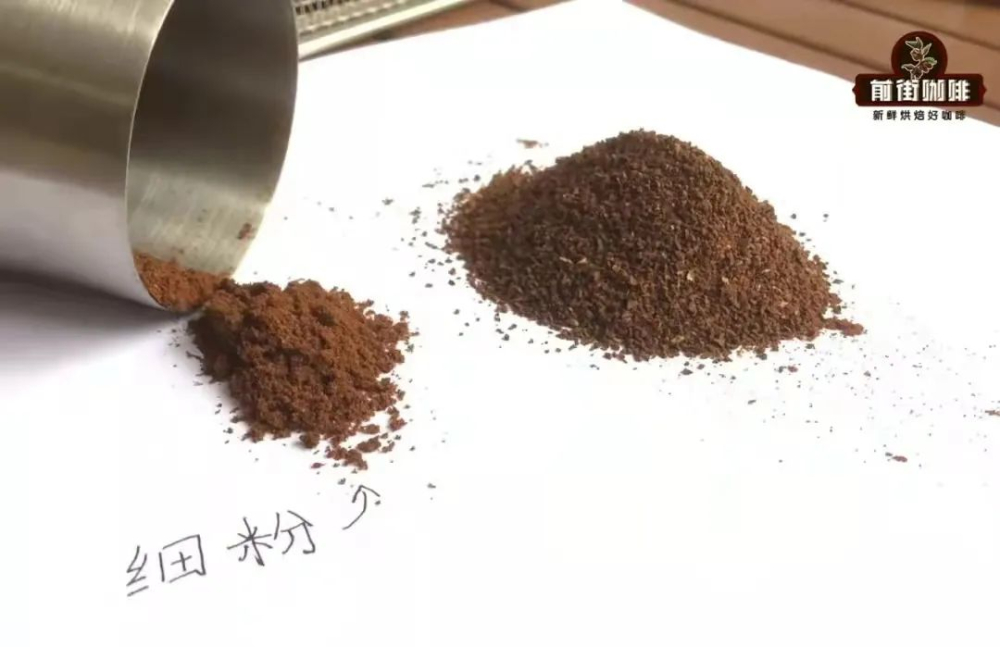 )
Pouring technique is also a crucial factor. Pouring too forcefully or circling too quickly can push the coffee bed toward the edge of the filter paper, causing localized accumulation. Fine particles are then forced toward the bottom, leading to clogging. It is recommended to use a small stream of water and pour slowly in circles to keep the coffee bed even and avoid excessive disturbance. If clogging has already occurred, gently shaking the dripper or using a stirring stick to lightly score the surface of the coffee bed can help reopen water channels and restore smooth extraction. (Using a small stream of water and slow circular motionhelps keep the coffee bed level and avoids excessive agitation. If channeling has already occurred, gently shake the filter cup or use a stirring stick to lightly score the surface of the coffee bed, aiding in re-establishing water pathways and restoring smooth extraction. (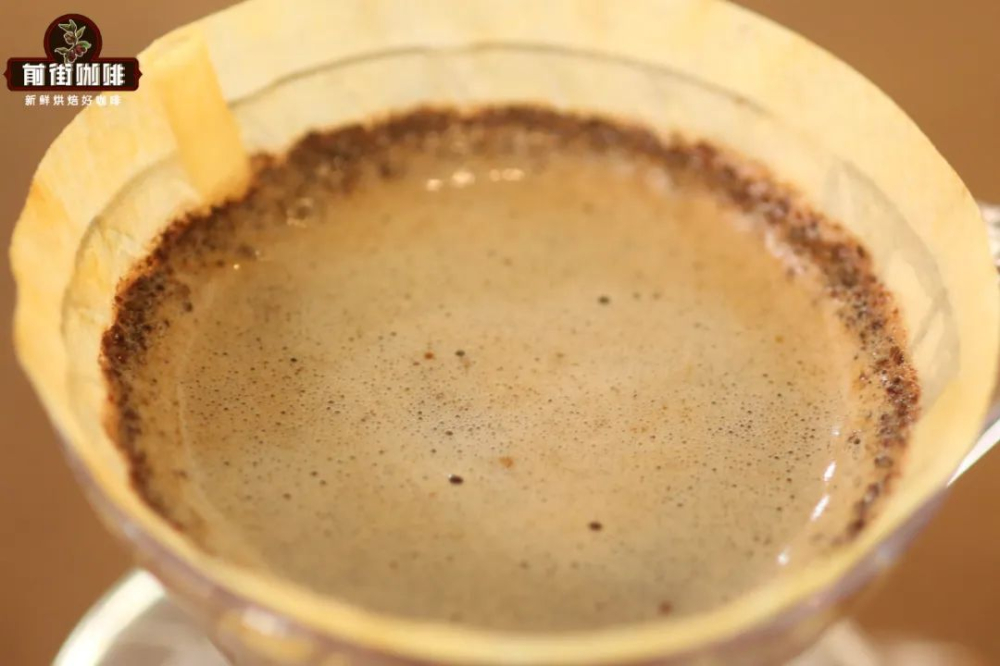 )
Additionally, water quality and temperature can indirectly affect water flow speed. Water with high hardness tends to bind with substances in the coffee, increasing the adhesion of fine particles. Meanwhile, water that is too cold may cause oils to solidify, exacerbating clogging. It is recommended to use purified water with moderate total hardness and to control the water temperature between 88 and 92 degrees Celsius, which helps maintain stable extraction performance.Water with moderate total hardness, and control the water temperature at88 to 92 degrees Celsiusto help maintain stable extraction performance.
Finally, if clogging persists after ruling out the above factors, it is advisable to check the freshness and storage condition of the coffee beans. Beans that are damp or oxidized can clump after grinding, also affecting water flow. It is recommended to use Geisha within two weeks of opening the bag and to store it sealed and away from light to maintain optimal extraction conditions and smooth performance.Use within two weeks, and store it sealed and away from light to preserve optimal extraction condition and smooth performance.
The above content is compiled by CoffeeHunters, a coffee news website.


