







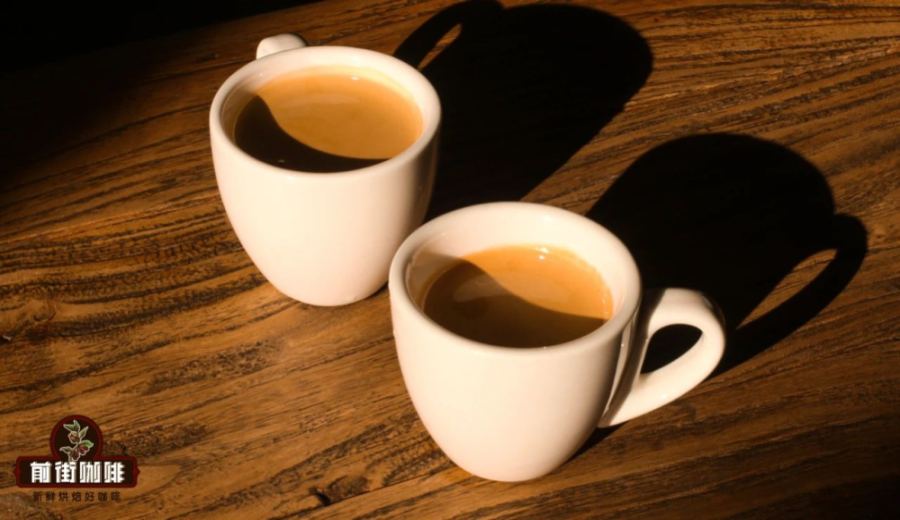
Introduction:Want to brew the perfect shot of espresso? This article delves into the differences between single and double basket sizes, practical extraction parameters, and how to achieve a balanced espresso by adjusting coffee dose, brew time, and flow rate. Whether you're new to coffee or an advanced enthusiast, you'll gain professional-level hands-on insights and sensory evaluation skills.
In the international coffee scene, a "single shot" of espresso typically refers to about 30 milliliters of extracted liquid. This unit originates from the "shot" measurement used in alcoholic beverages and serves as the base for many coffee drinks. Traditionally, a single shot is made with 9 to 11 grams of coffee grounds, but with the evolution of brewing equipment and techniques, this standard has gradually been adjusted by professional baristas.
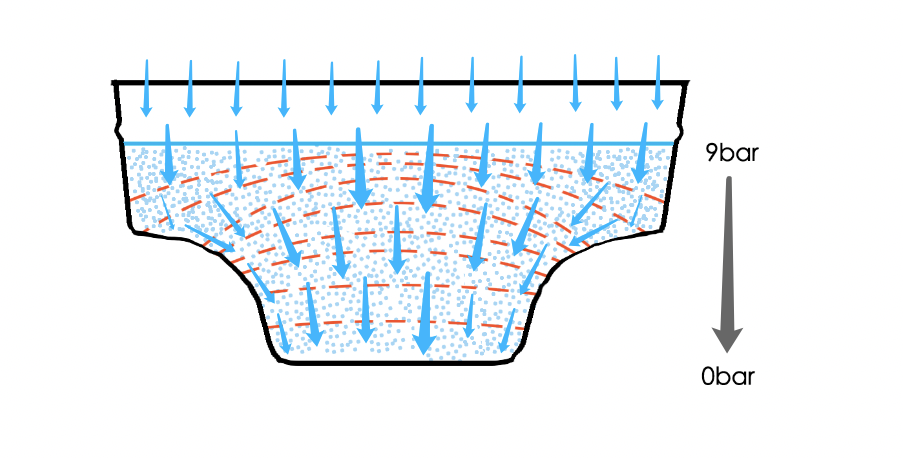
The issue lies with the so-called "single basket" design. These baskets are usually inverted cone-shaped, with an upper opening diameter similar to that of a double basket, but the lower section narrows significantly to maintain even coffee distribution. Although called "single," their actual extraction performance is not equivalent to half of a double basket, leading many baristas to find their output inconsistent and hard to control.
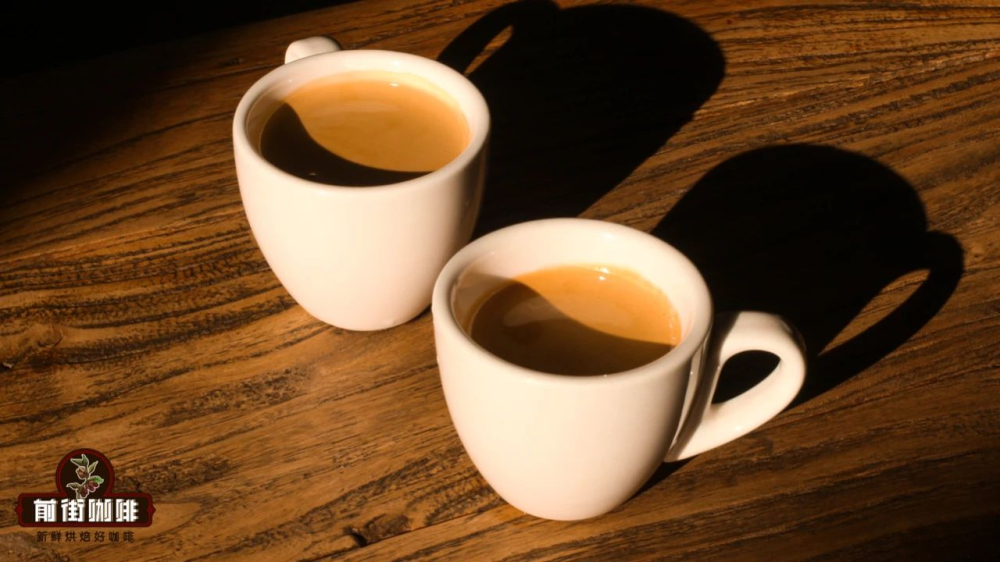
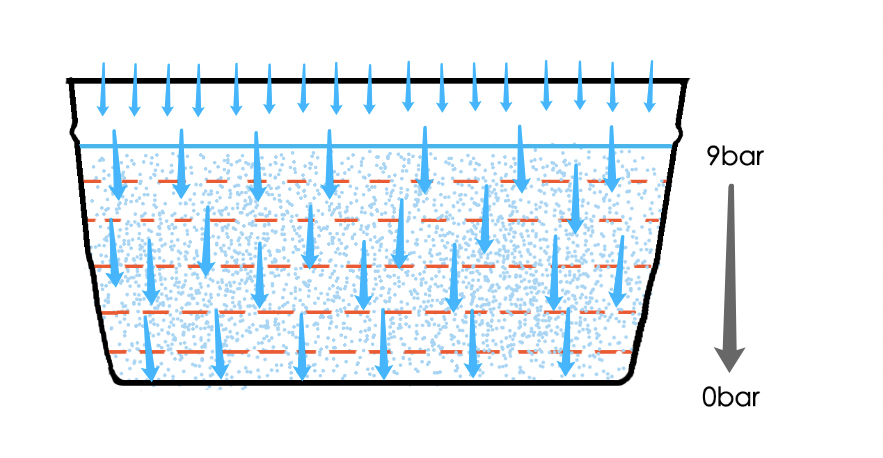
In contrast, the more common and stable method today is using a double basket to brew a single shot of espresso. The internal structure of a double basket is straight-walled and can hold around 18 to 20 grams of coffee grounds. The resulting coffee puck forms a uniform, round shape, which helps stabilize water flow and flavor release. Many specialty shops now use a double basket with a 1:2 coffee-to-espresso ratio to produce about 36 to 40 grams of espresso as a standard single shot.
Taking the popular "Sunflower · Warm Sun Blend" often used by a certain coffee shop as an example, an ideal shot of espresso typically uses about 18 to 20 grams of coffee grounds, with a brew time controlled between 20 to 35 seconds, and an output of about 36 to 40 grams. If using 18 grams, the target yield is 36 grams; if using 20 grams, then 40 grams is optimal. A brew time shorter than 20 seconds often results in underdeveloped, thin flavors, while exceeding 35 seconds can lead to over-extracted, burnt bitterness. The best range is usually between 28 to 30 seconds.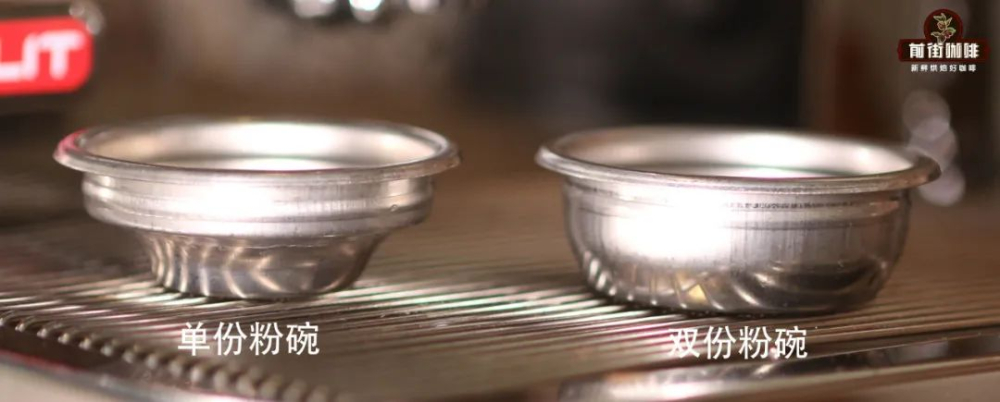
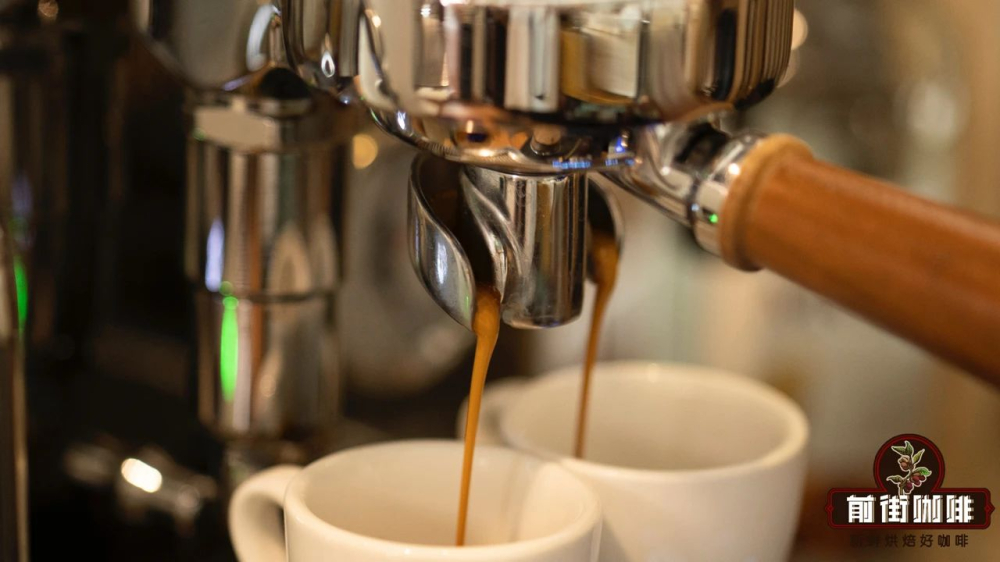
In practice, the first step is to ensure the basket is dry and free of residue. Then, grind the appropriate amount of coffee beans using a grinder, and it’s recommended to weigh them beforehand to confirm the target dose. Next, use a distribution tool to evenly spread the coffee grounds in the basket, then apply downward pressure with a tamper to ensure consistent puck density — a key step for stable extraction.
Before starting the extraction, open the brew switch and let water run for 1 to 2 seconds. This step, also known as "pre-infusion," is mainly to wet the group head and flush out any old coffee grounds, ensuring stable water quality at the start of extraction. Place the cup on a scale and tare it, then securely attach the portafilter to the group head and begin extraction.
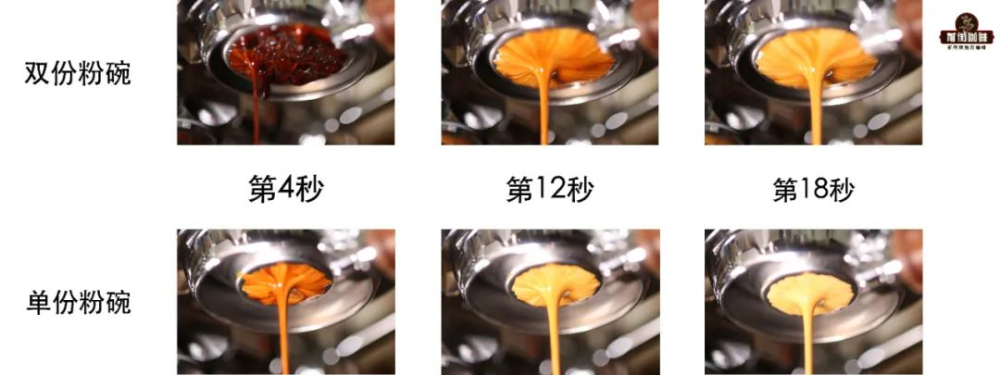
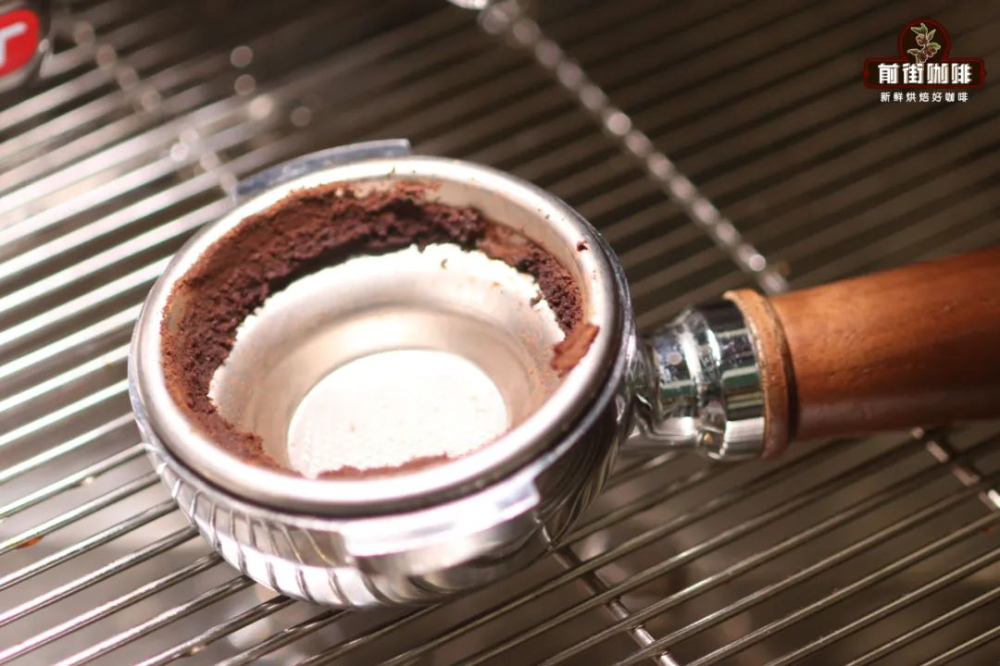
Observe the flow rate and color changes during extraction. When the scale shows the target yield (e.g., 40 grams), and the time falls within the 28 to 30 second range, you can stop the extraction. Note that due to variations in humidity, bean roast level, and freshness, actual parameters may need fine-tuning, including dose, grind size, and target yield.
Freshly brewed espresso is best enjoyed right away, or with a sip of water to cleanse the palate, allowing you to better perceive its rich layers. High-quality espresso usually features a thick crema (coffee foam). The first sip reveals a dense texture and aromatic oils, followed by complex flavors such as chocolate, nuts, caramel, and even a hint of wine-like notes. For a smoother taste, you can also adjust with hot water or milk according to personal preference.
In summary, although the traditional "single shot" uses 9 to 11 grams of coffee, in practice, using a double basket with 18 to 20 grams of coffee and a 1:2 ratio to produce 36 to 40 grams of espresso has become the professional and stable standard. Mastering these details and adjustment techniques allows you to brew café-quality espresso at home and enjoy a truly professional coffee experience.
The above content is compiled by CoffeeHunters, a coffee news website.


