







Introduction:Did you think coffee cherries usually only contain two beans? In fact, there is a rare mutation in nature that produces coffee cherries with seven beans inside them. This article takes you deep into the world of this unusual variety, known as Café Polysperma, which originates from Typica. We’ll explore its unique fruit structure, flower characteristics, and the valuable gene that confers resistance to leaf rust. Learn how it plays a key role in scientific research and variety improvement, and uncover the genetics behind specialty coffee.
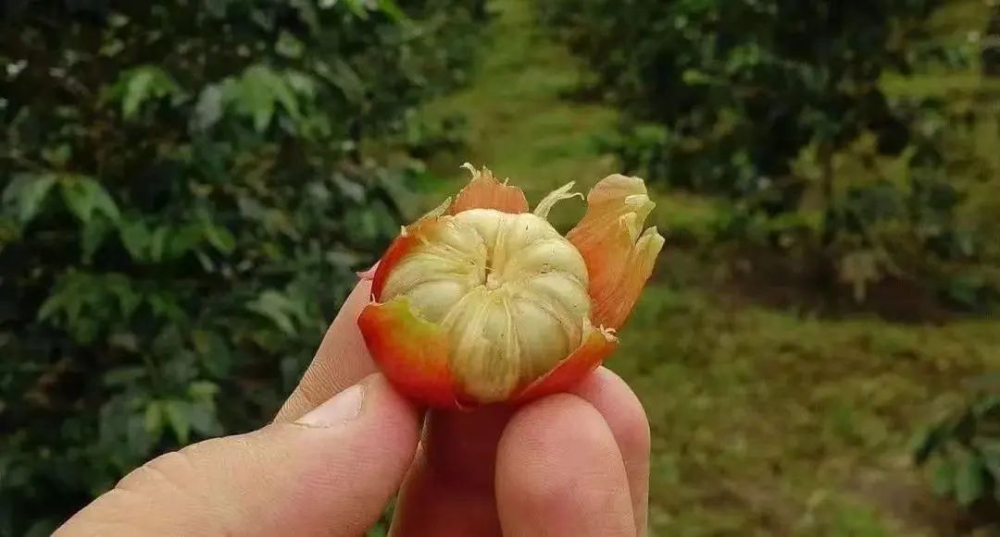
The coffee cherries we’re used to typically contain two flat, opposing beans, and an occasional peaberry is already considered a pleasant surprise. However, nature’s variations can always break the norm—some coffee cherries can actually develop three, five, or even up to seven seeds, resembling the segments of an orange or garlic clove. This rare mutated variety is called Café Polysperma, a branch of the Typica family with Arabica lineage, and it was first documented as early as 1890. Although its flavor profile is not particularly outstanding, it carries a highly valuable gene for resistance to leaf rust, which is why it has been included in the conservation and research efforts of a germplasm bank in Minas Gerais, Brazil. Today, let’s explore this “alien” variety in the coffee world and take a look at what makes its flowers, fruits, and seeds so unique.
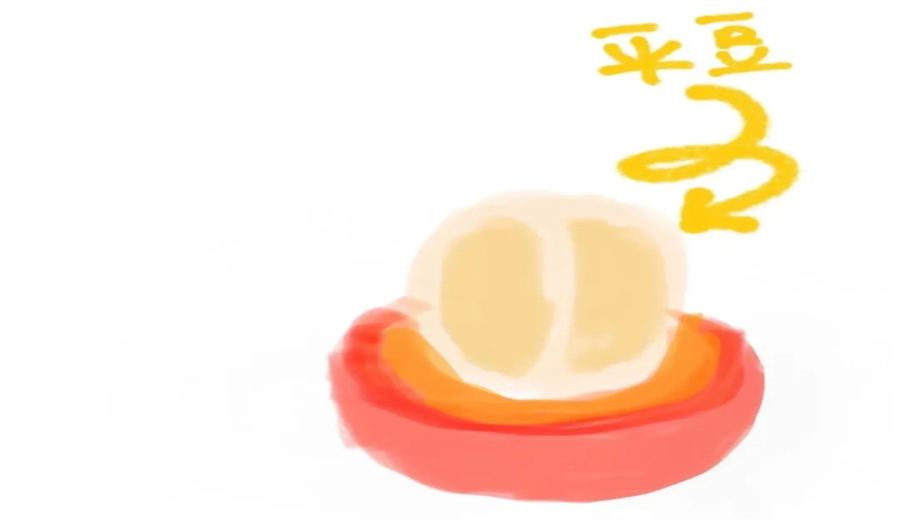
Many readers, upon seeing the title and cover image, might wonder: can a single coffee cherry really contain more than two beans? Haven’t past educational materials all said there are usually just two? The answer is, yes—that is generally the case. Coffee beans, as the seeds inside the fruit, are limited by the space within the pulp, and the two seeds often grow pressed flat against each other, forming the familiar flat beans—one side flat, the other slightly curved.
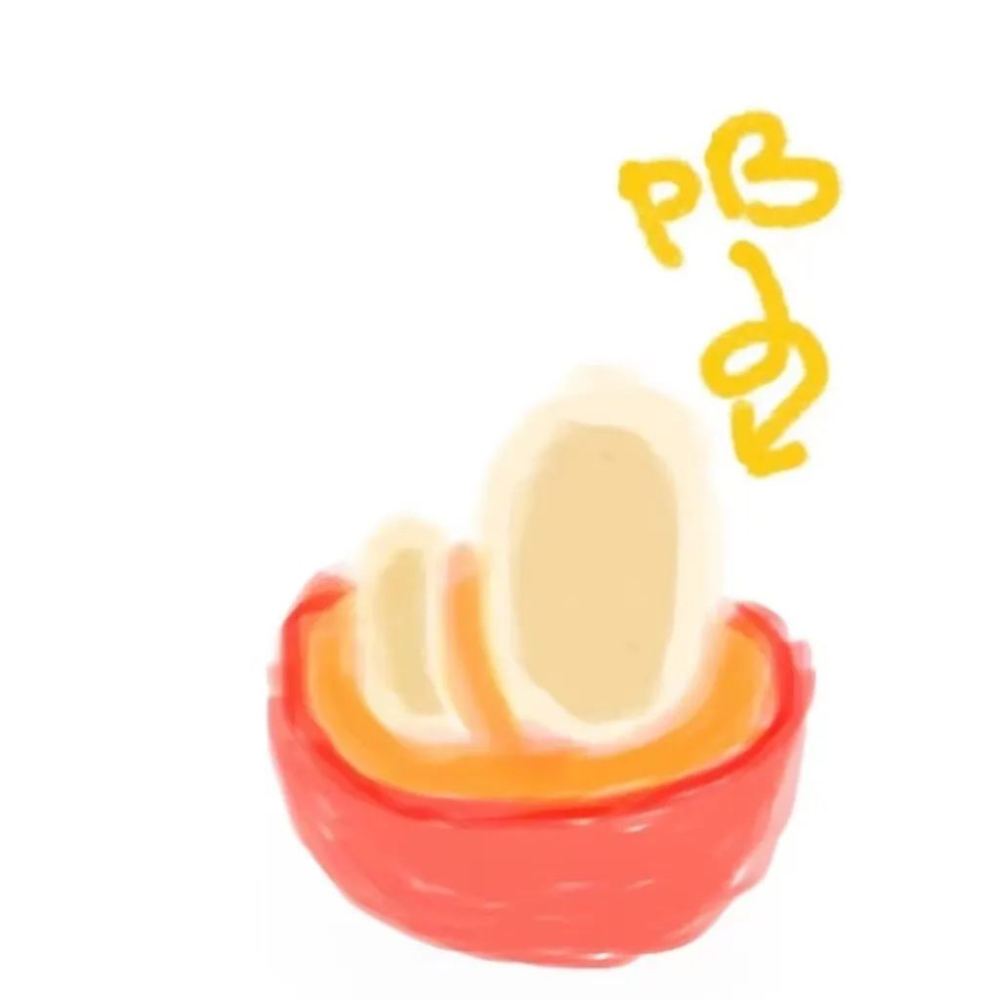
However, when a coffee cherry encounters pests, environmental stress, or genetic mutations during its development, sometimes only one seed is able to fully mature. In such cases, this seed, enjoying the full space to grow, will develop into an oval-shaped peaberry, also commonly referred to in the industry as PB (Peaberry). The occurrence of peaberries is not high, usually making up only about 5% to 10% of a single coffee tree’s yield, and they are more commonly found on young trees that have just entered their fruiting period.
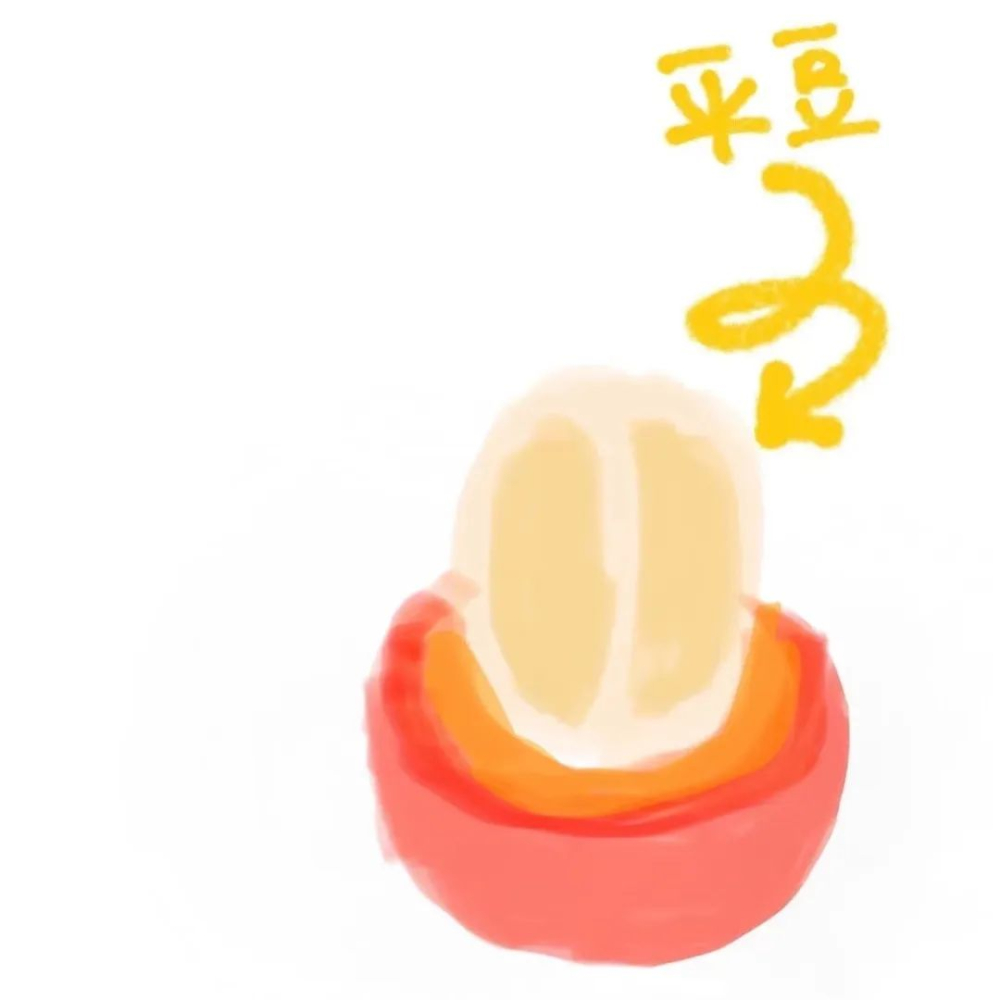
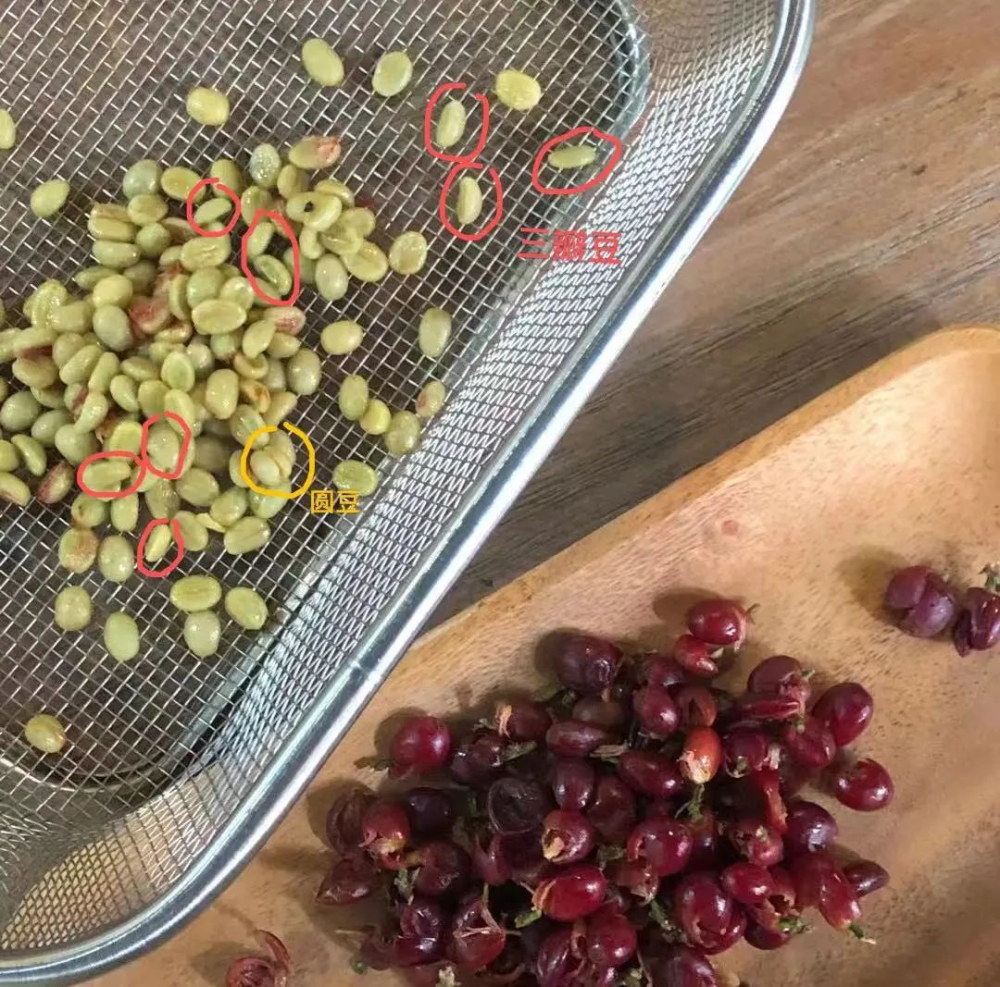
When I first started in this industry, I too thought peaberries were already an extremely rare phenomenon. It wasn’t until this year, when I personally harvested and tried to process an extremely small batch of honey-processed beans right in front of my own coffee shop, that I unexpectedly discovered some cherries containing three seeds arranged in a pattern resembling orange segments. Perhaps due to insufficient watering, lax soil management, or the unusual weather in Guangzhou that year affecting fruit development—or maybe it was some kind of genetic mutation—that allowed these seeds to grow more freely.
If three seeds can occur, then the seven-seed cherry shown on the cover image may not seem so unbelievable after all. Plant genetic mutations are incredibly diverse, and humans can hardly predict them all. It’s worth mentioning that the three-seed occurrence I encountered was random, but the seven-seed variety, featured in the photo, is the result of long-term selection and breeding by researchers and even has an official name—Café Polysperma. Commonly referred to as “multi-seed coffee” or “seven-seed Arabica,” and in English, “Seven bean arabica.”
Just hearing the name tells you that multi-seed coffee carries Arabica genes and is a mutated branch of the Typica variety. Although there is no definitive consensus on where it was first discovered, available records show that related documentation dates back to as early as 1890, although it may not have developed into the seven-seed form at that time. What is certain is that coffee trees of this seven-seed variety have been introduced by the EPAMIG Germplasm Bank in Minas Gerais, Brazil, in collaboration with the Cerrado Mineiro Coffee Producers Association, for planting, research, and preservation.
Since 2005, the germplasm bank has successively introduced over 40 coffee varieties with the multi-seed gene, carrying out systematic cultivation and scientific research. Some studies indicate that although multi-seed coffee does not excel in flavor performance, it demonstrates notably strong resistance to leaf rust. This has led coffee research institutions in other regions to also introduce the multi-seed gene for use in variety improvement programs.
Interestingly, this coffee variety, which produces unusually large fruits, also has flowers that are quite different from those of common coffee plants. Typically, coffee flowers have five petals, but the multi-seed variety can have up to ten petals. According to descriptions on the Caferium website, the flowers of multi-seed coffee bloom among new leaves at the branch tips, resembling rose knots. The calyx part has more than five lobes, while the corolla consists of two whorls of petals, each whorl having between 6 to 10 petals—significantly more than conventional varieties.
Readers might be curious—what about the flavor of such uniquely formed fruits? (“How big are they, really?”) Don’t worry, I think there should be comparison photos!(Almost forgot to include them). Due to the increased number of seeds within each fruit, the nutrients available to each individual seed are relatively limited, resulting in subpar flavor performance for multi-seed coffee. As a result, it has not been promoted for large-scale commercial cultivation. However, its leaf rust-resistant gene holds significant value and is worth preserving as an important resource for genetic research and variety improvement.
Since multi-seed coffee has not yet developed into a mature and stable cultivated variety, relevant literature and documented information remain relatively limited. Through this article, I hope to give readers a deeper understanding of this lesser-known coffee fact, while also appreciating the astonishing genetic mutations and plant diversity found in nature.
The above content is compiled by CoffeeHunters, a coffee news website.


