







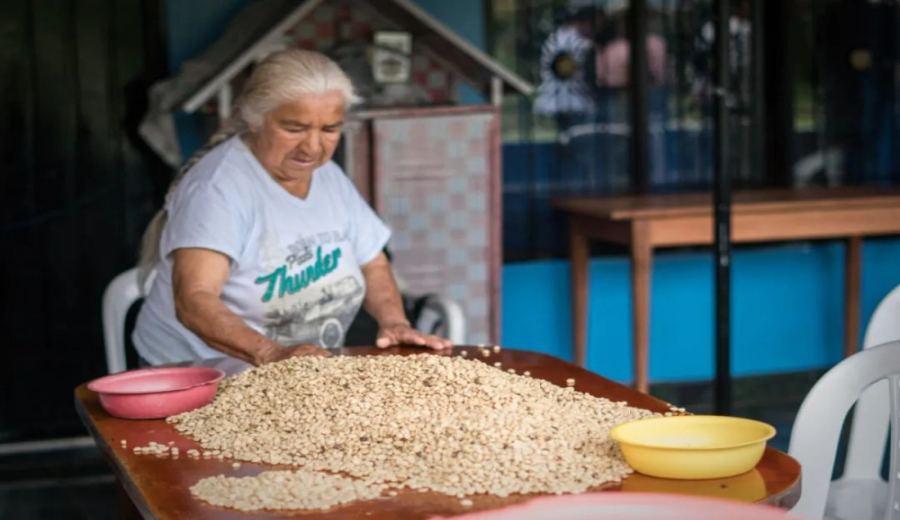
Introduction:Many pour over coffee enthusiasts are concerned about whether defective beans can ruin the flavor of a cup of coffee. In fact, from green bean grading to roasting screening, the entire process is strictly controlled. This article will help you understand the defect rate standards for green beans in different countries, the defect removal procedures before and after roasting, and teach you how to correctly identify commonly misjudged beans, so that the coffee beans you purchase have a purer flavor.
In the world of specialty coffee, defective beans are considered one of the important factors affecting coffee flavor performance. For those who enjoy brewing pour over coffee at home, is it necessary to additionally pick out defective beans before brewing? In fact, from green bean processing to the final roasted product, there are quality control mechanisms in place for defective beans at every stage.
First, after undergoing processes such as washed or natural drying, coffee green beans enter the grading phase. The grading systems of most countries use defect rates as one of the evaluation criteria.For example, Ethiopian G1 grade green beans must not have more than 3 defective beans in a 350-gram sample; the highest grade of Blue Mountain coffee, NO.1, must maintain a defect rate below 2%; and Indonesia’s Golden Mandheling also requires a defect rate below 3%.. This shows that high-grade green beans already keep the number of obvious defective beans extremely low right from the source.
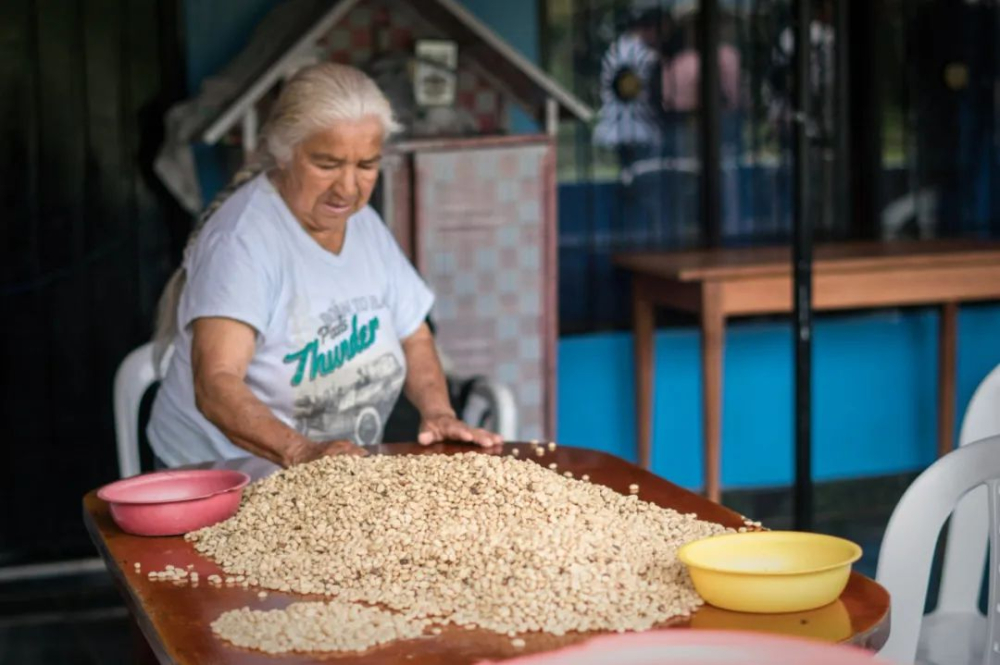
The defective beans mentioned here mainly refer to those types that significantly negatively impact flavor, such as over-fermented beans, moldy beans, severely insect-damaged beans, black beans, or even foreign matter mixed in. These obvious defects not only affect appearance but can also greatly alter the flavor profile during extraction, bringing unpleasant off-flavors or odors.
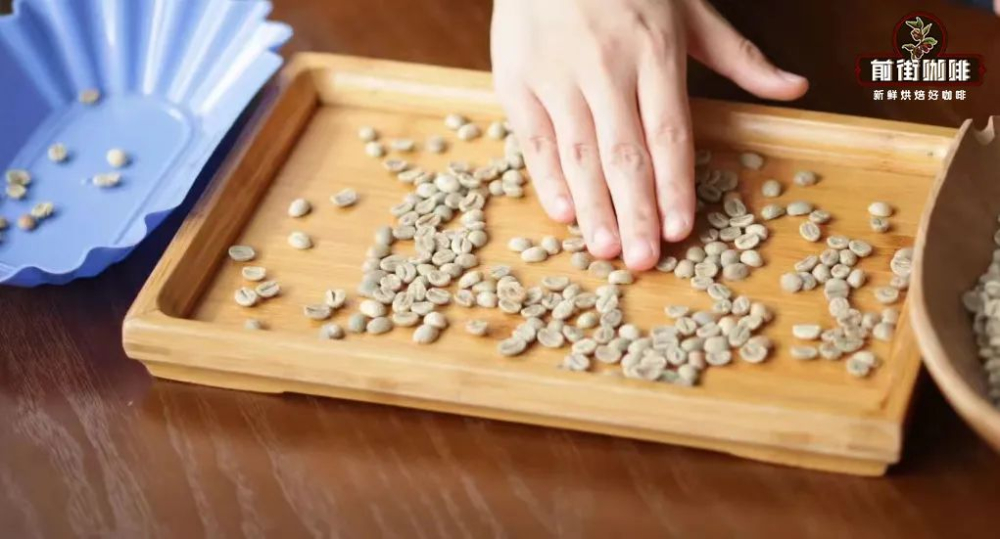
However, even high-quality green beans may develop broken beans due to collisions during transportation, which are usually further removed during the pre-roasting selection process.Pre-roasting defect inspection is even stricter, not only addressing any oversights from the green bean grading stage but also picking out issues such as light insect damage, shell beans, and broken beans.These may not necessarily cause significant flavor damage, but they are still considered defects in the eyes of professional roasters.
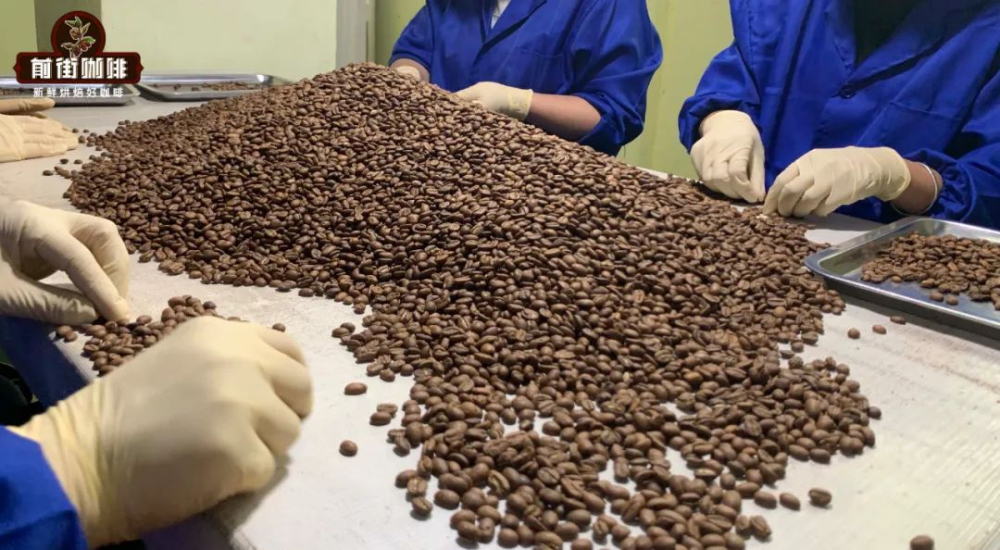
After roasting, a final screening is also conducted, mainly targeting defects that occur during the roasting process, such as:scorched beans (i.e., roasting defect beans), “meteorite beans” with surface indentations caused by high temperatures, as well as white core beans and shell beans.White core beans refer to coffee beans harvested before ripening. These beans are not easy to identify in their green state, but after roasting, their color appears noticeably lighter, and the flavor often carries grassy or underripe notes. Coffee beans processed using the fully ripe cherry method, due to strict selection, usually have fewer white core beans. However, commercial bean varieties such as Brazilian beans may require additional removal of such defects after roasting.
Therefore, for consumers, purchasing single-origin coffee beans from reputable roasters has already undergone multiple layers of defect screening.As long as they are stored properly, there is usually no need to pick beans specifically before brewing.However, since defect sorting still relies on manual labor, a small number of broken beans may occur during handling or transportation. While these beans may not necessarily affect flavor, if consumers notice them before weighing or pouring water, they may choose to remove them based on the situation.
Even so, it cannot be guaranteed that every batch of coffee beans is 100% free of defects. Some coffee beans that don’t look very ‘perfect’ are actually not defects but are often misunderstood. Below are several common situations where beans are wrongly identified as defective, helping you judge more accurately.
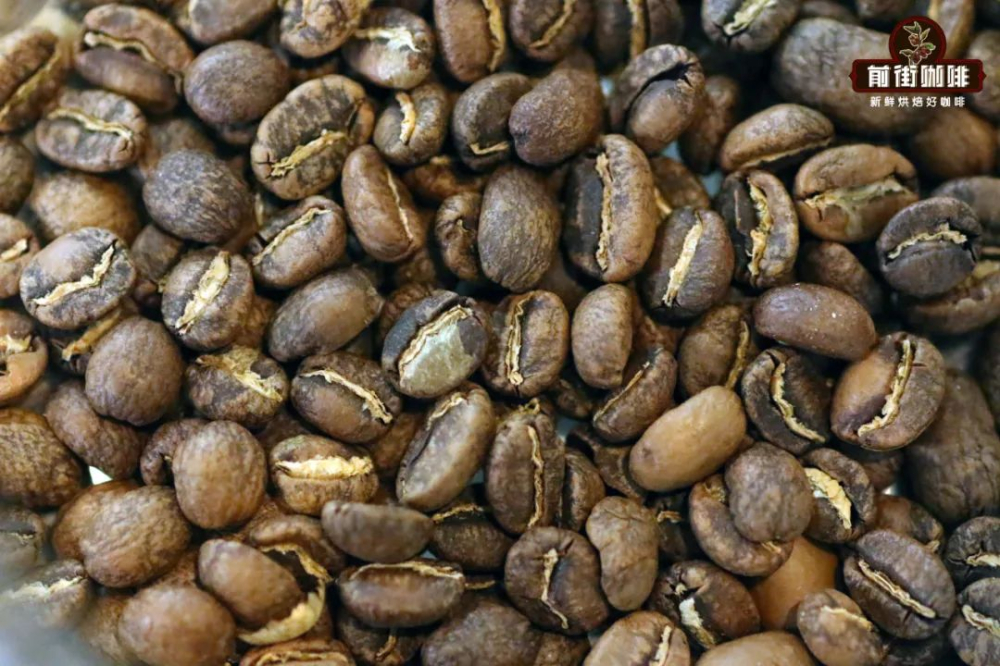
Category 1: Beans with many wrinkles and black spots, commonly found in high-altitude washed light roast beans.
These beans grow in high-altitude regions, where the bean density is high. During roasting, after moisture evaporates, they tend to shrink and form noticeable wrinkles. Coupled with the fact that they do not fully expand during light roasting, their appearance looks relatively dark and uneven, and may even have black spots. However, this visual characteristic is not directly related to flavor—in fact, high altitude and careful processing often bring bright acidity and rich complexity.
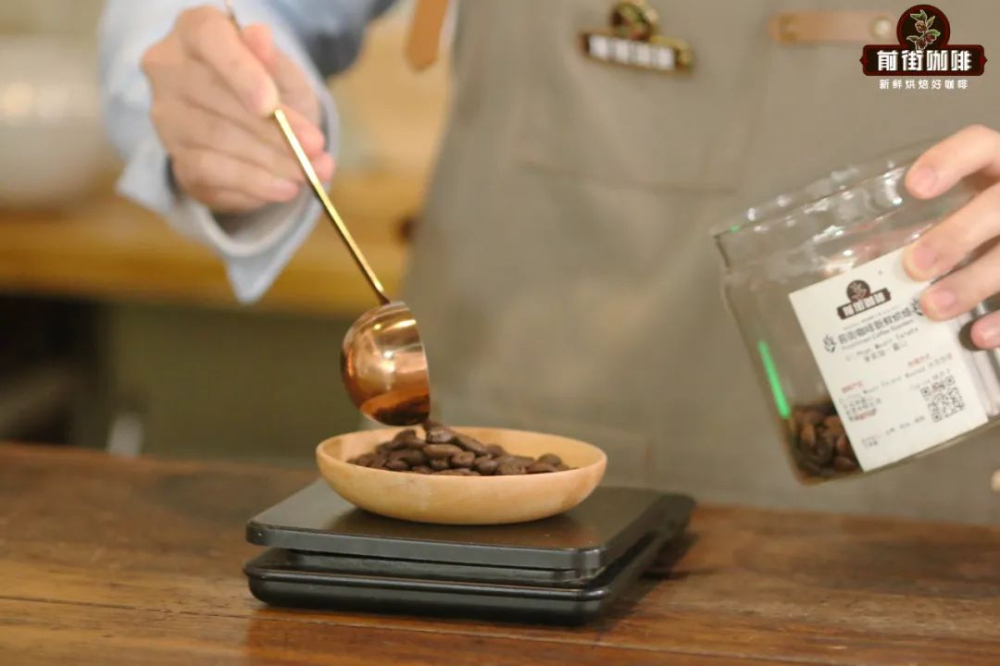
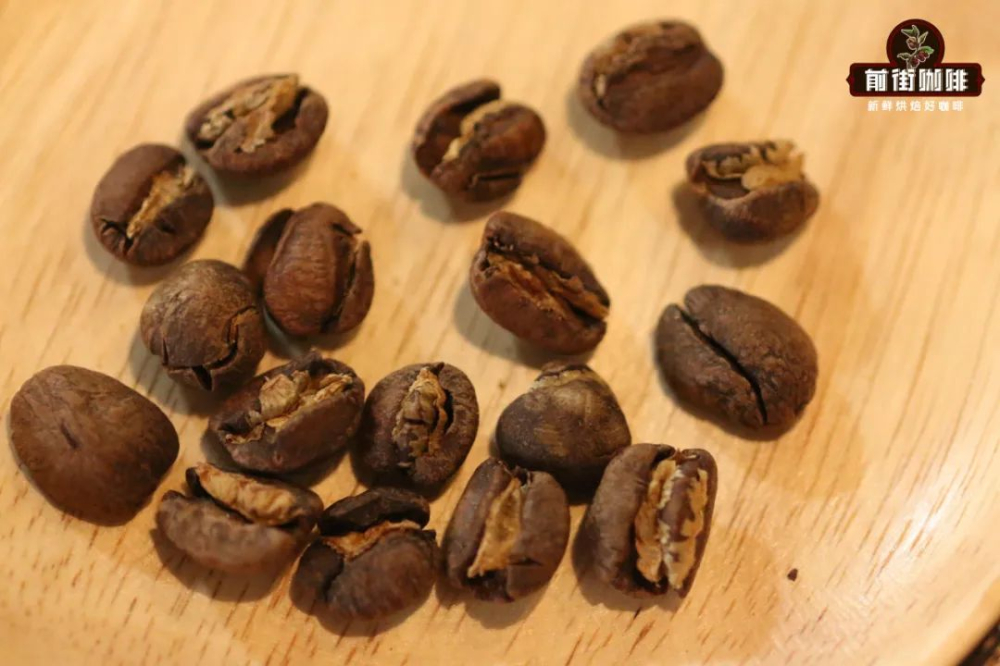
Category 2: Beans that are cracked or burst open, appearing incomplete in shape.
This situation usually occurs during the first crack phase of roasting. Due to the high density and heat absorption of the beans, the expansion force is strong, leading to more intense cracking, making the beans appear as if they are ‘cracked’ or ‘burst.’ Although the appearance is unappealing, this is not a defect and does not negatively impact flavor. Sometimes, these beans may even perform better due to the release of more internal compounds.
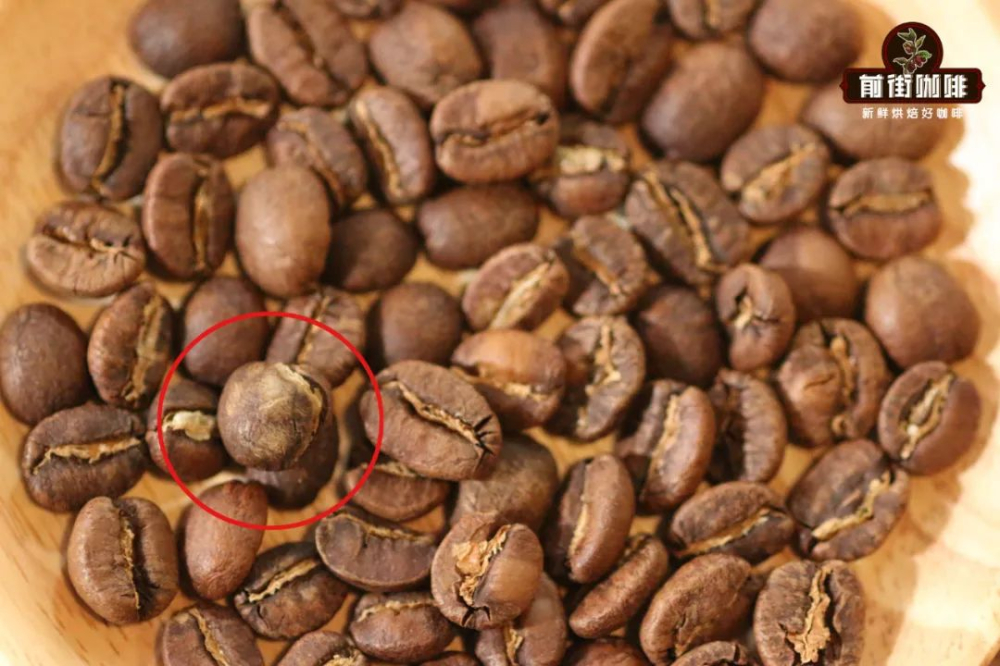
Category 3: Beans with unique or unusual appearances.
Some coffee beans may differ slightly in shape, size, or color compared to surrounding beans and are easily mistaken as problematic. But as long as there is no obvious issue like mold, insect damage, or excessive darkening, these “individuality beans” are usually just normal beans with slightly different appearances that do not affect overall extraction or flavor. Of course, if you are particularly concerned about appearance, you can also remove them yourself.
In summary, from green bean grading to post-roasting screening, the overall process can effectively reduce the impact of defective beans on coffee flavor.As long as you choose single-origin coffee beans from reliable sources and store them properly, consumers don’t actually need to overly worry about defects.Understanding these common misjudgments can also help you feel more at ease when selecting and brewing coffee, allowing you to enjoy a higher-quality pour over experience.
The above content is compiled by CoffeeHunters, a coffee news website.


