







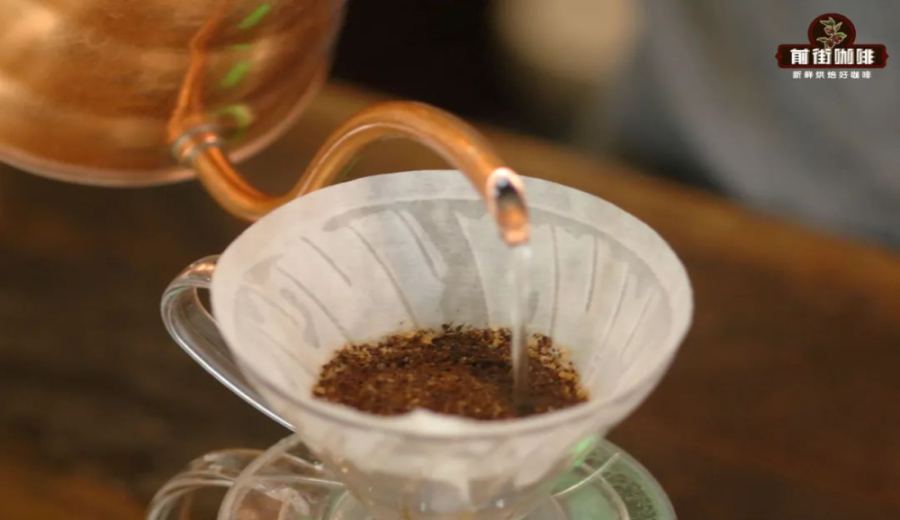
Introduction:Have you ever encountered a situation where, during the blooming phase of a pour over, the coffee grounds show no reaction—no puffing up or fluffiness at all? This not only affects the consistency of coffee extraction but can also significantly diminish flavor. This article delves into the science behind coffee grounds expanding during the bloom stage, analyzing key factors such as freshness, roast level, and grind size one by one, while offering practical operational tips to help you pinpoint the root cause accurately and steadily enhance the flavor performance of every pour over cup.
In the process of making pour over coffee, blooming is a crucial step. When hot water comes into contact with dry coffee grounds, under normal circumstances, the coffee grounds absorb the water and release internal carbon dioxide, causing the entire bed of grounds to swell into a plump “hamburger” shape. However, many coffee enthusiasts find that sometimes, after pouring water, the coffee bed shows no change at all—it neither expands nor puffs up. This phenomenon may actually be caused by several potential reasons.
First and foremost, one of the most frequently mentioned factors is the freshness of the coffee beans. The reason we can observe the coffee bed expanding during blooming is largely due to the large amount of carbon dioxide trapped inside the beans after roasting. When hot water is introduced, these gases are gradually released, lifting the coffee bed and creating a noticeable puff. However, over time, as the carbon dioxide in the beans dissipates, if the beans are past their optimal freshness window, you’re likely to see little to no expansion during blooming.
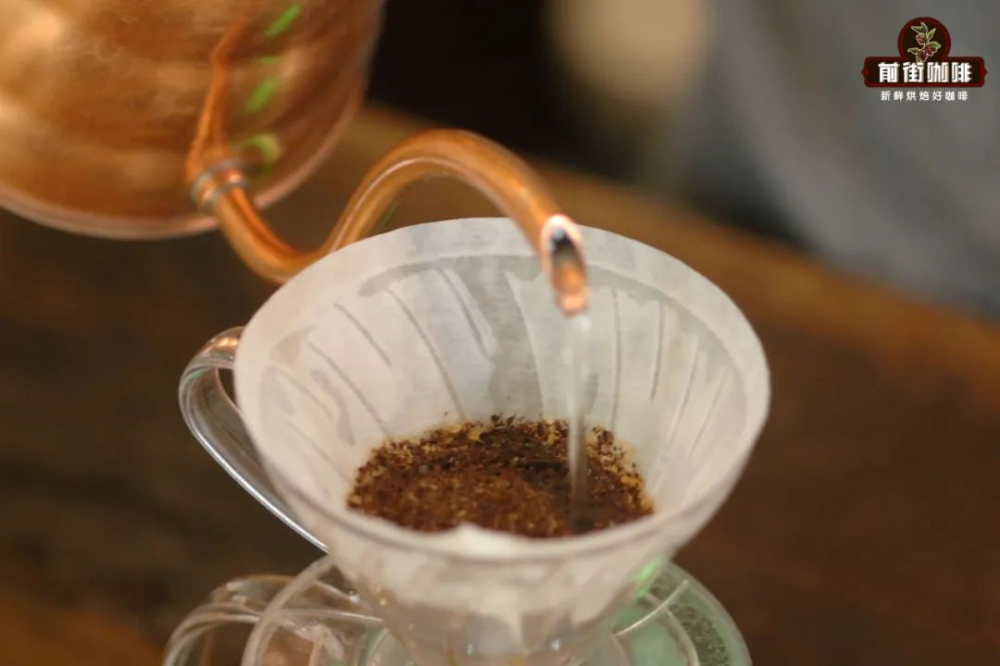
To maintain the freshness of coffee beans and their ability to degas to the greatest extent, proper storage methods are essential. It is recommended to retain the original packaging as much as possible, especially those with one-way degassing valves. This design helps balance internal air pressure while preventing outside air from entering, effectively slowing down the aging of the beans. After each use, be sure to seal the bag tightly. Generally speaking, under such conditions, coffee beans can maintain a good state for about 30 days, which is sufficient for daily use by most households or coffee enthusiasts without the gases being completely depleted.
Additionally, grind size is another important variable that affects blooming performance. If the grind is too coarse, the surface area of the coffee grounds is relatively small, leading to slower water absorption and reduced gas release efficiency, which in turn results in less obvious expansion during blooming. On the other hand, if the grind is too fine, although it absorbs water more quickly, it can also lead to channeling, affecting overall extraction evenness. In actual practice,when tested using a sieve with a 0.85mm aperture, the ideal grind size for pour over coffee should have a pass-through rate of 80%, striking a good balance between water absorption and filtration.
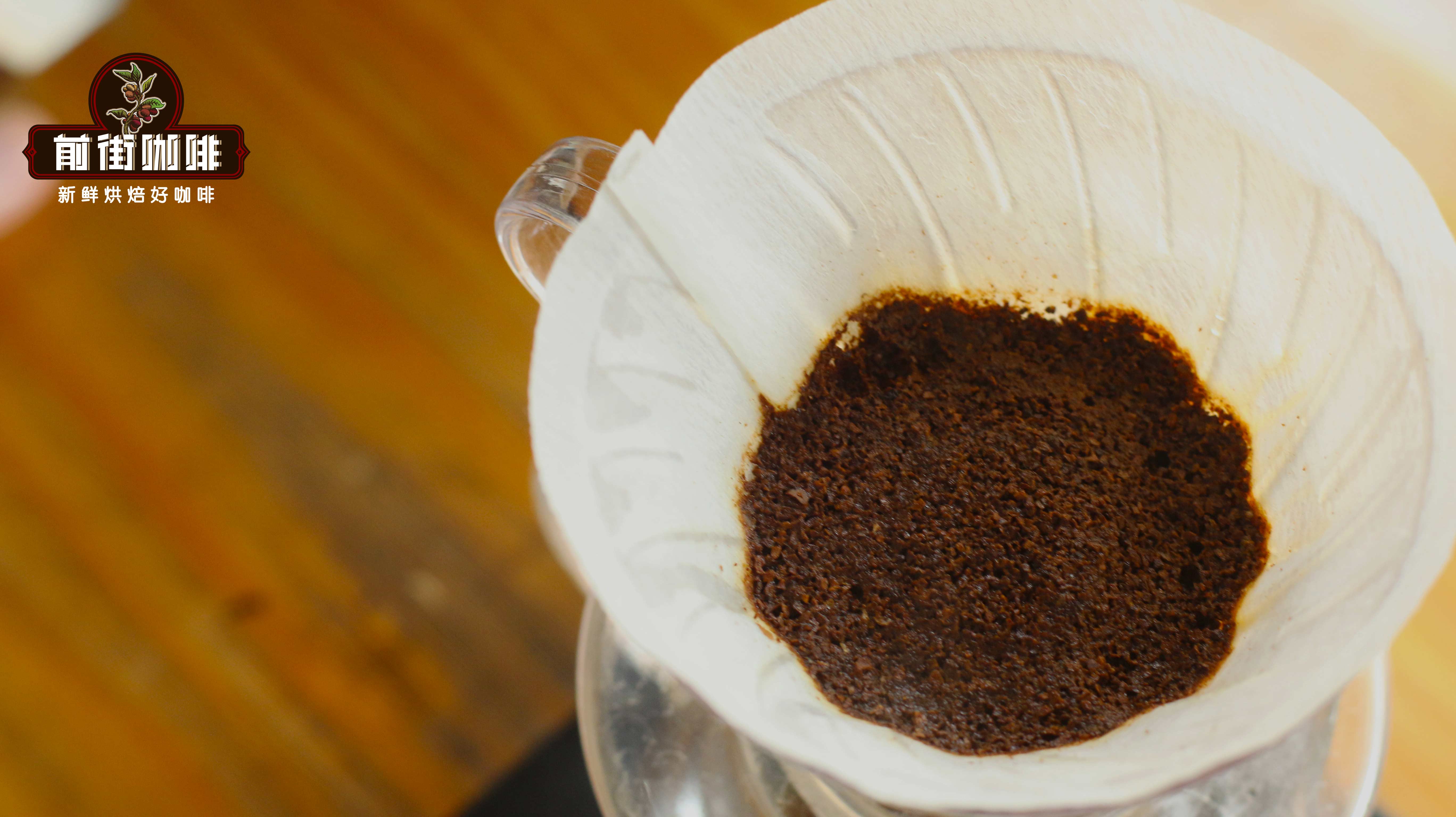
Besides freshness and grind size, the roast level of the coffee also impacts its behavior during blooming. Extremely light roasted beans, due to their shorter roasting time and tighter internal structure, contain relatively lower levels of gas. As a result, they often do not produce a very pronounced puff during the blooming phase—sometimes only a slight lift—and this can be quite similar to the behavior of beans that are not fresh enough. However, this does not mean their flavor performance will be poor; it simply requires more careful adjustment of pouring techniques and water temperature to fully bring out their potential.
Some lightly roasted beans may also exhibit similar behavior, with only minimal expansion during blooming, which is usually within the normal range and there’s no need for excessive concern. The key lies in adjusting the blooming duration and water volume appropriately, based on the roast characteristics, freshness, and grind settings of the beans.
It’s worth noting that an overly long blooming time can also have negative effects. It is generally recommended to control the blooming time within30 to 45 seconds. Excessively long blooming not only fails to further enhance expansion but may also cause the coffee grounds to degas excessively or begin early extraction, thereby affecting the overall flavor balance in subsequent steps.
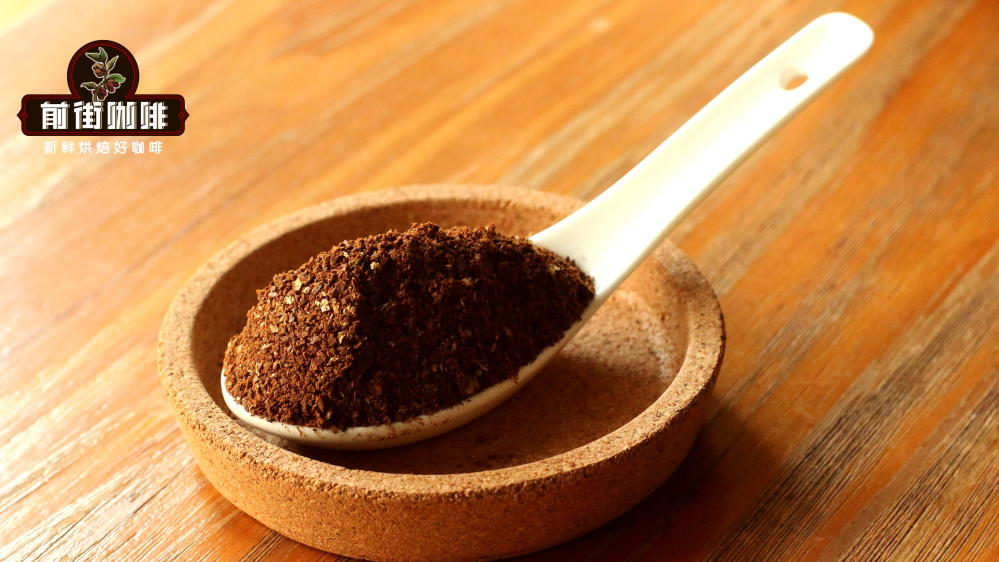
In summary, the lack of puffing during the blooming phase of a pour over is not caused by a single factor but may involve multiple aspects including the freshness of the coffee beans, storage methods, roast depth, and grind size. Through systematic troubleshooting and adjustments—especially focusing on the practical details mentioned above—you’ll be able to more accurately identify the problem and continuously optimize the extraction performance and flavor complexity of each pour over cup.
The above content is compiled by CoffeeHunters, a coffee news website.


