








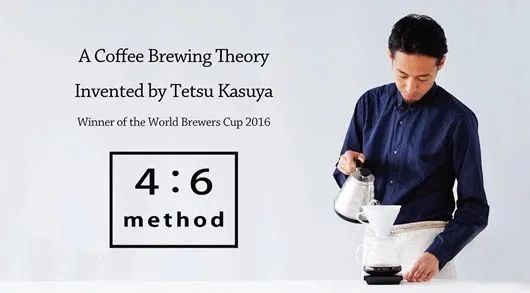
Introduction:The 4-6 Method is a classic pour over technique developed by Japanese barista Tetsu Kasuya, renowned for its stability and ease of use. By following the simple logic of "the first 40% shapes flavor, the latter 60% builds body," combined with an extra-coarse grind and fixed interval pouring, even beginners can easily brew coffee with distinct layers. This article details its core parameters, operational specifics, and adjustment principles to help you master this practical brewing method.
The 4-6 Method is a systematic pour over technique developed by Japanese barista Tetsu Kasuya. Its most distinctive feature is dividing the entire pouring process into five stages, clearly allocating the proportions for "flavor shaping" and "body enhancement." Rather than demanding precise pouring skills, this method relies on scientifically designed parameters to make the brewing process more controllable—ideal for enthusiasts aiming to consistently produce great coffee.
According to the design philosophy of the 4-6 Method, a complete brew is broken down into five pouring stages, each using water equal to three times the weight of the coffee grounds. The first two stages together account for 40% of the total water volume, primarily influencing the coffee’s acidity and sweetness; the latter three stages make up 60%, determining the coffee’s richness and overall body intensity. This layered approach effectively reduces extraction inconsistencies caused by unstable pouring.
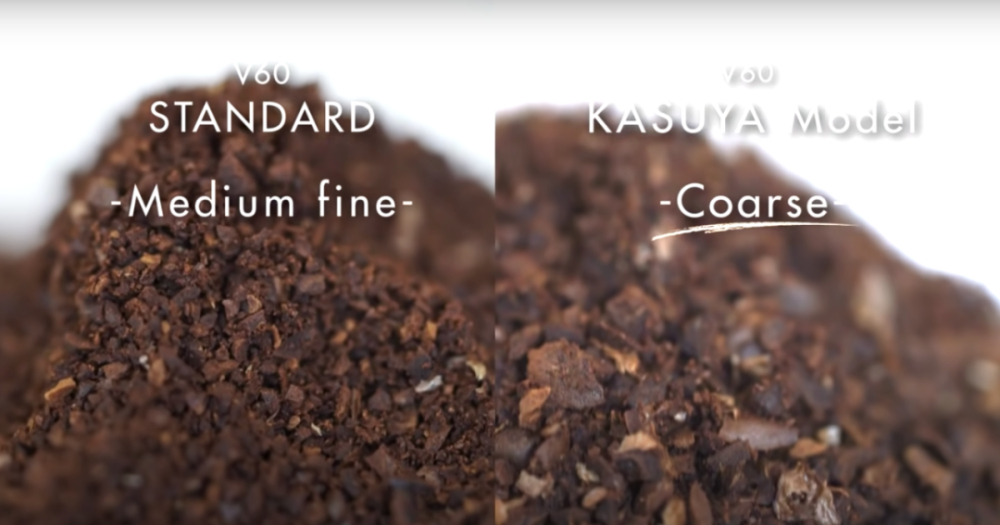
In terms of specific parameters, it is recommended to use a Hario V60 filter cone, with 20 grams of coffee grounds and a total water volume of 300 milliliters. The water temperature should be set around 92°C. The grind size should be a pour over extra-coarse level, specifically with about 50% of the coffee passing through a #20 sieve—much coarser than the 80% typically used for light roasts. This design effectively slows down the extraction rate, helping to avoid over-extraction.The pouring interval is fixed at 45 seconds(including pouring time), with each pouring stage lasting approximately 5 to 7 seconds. The entire process is clear and easy to follow.
In actual operation, each of the first five stages involves pouring 60 milliliters of water, followed by a 45-second wait before the next pour. For example, after pouring the first 60 milliliters, wait 45 seconds; then pour the second 60 milliliters, wait another 45 seconds, and so on until the fifth stage. After the final pour, allow the coffee to fully drip through, which takes approximately 3 minutes and 40 seconds. This fixed rhythm ensures uniform contact time between water and coffee grounds in each stage, thereby stabilizing the extraction effect.
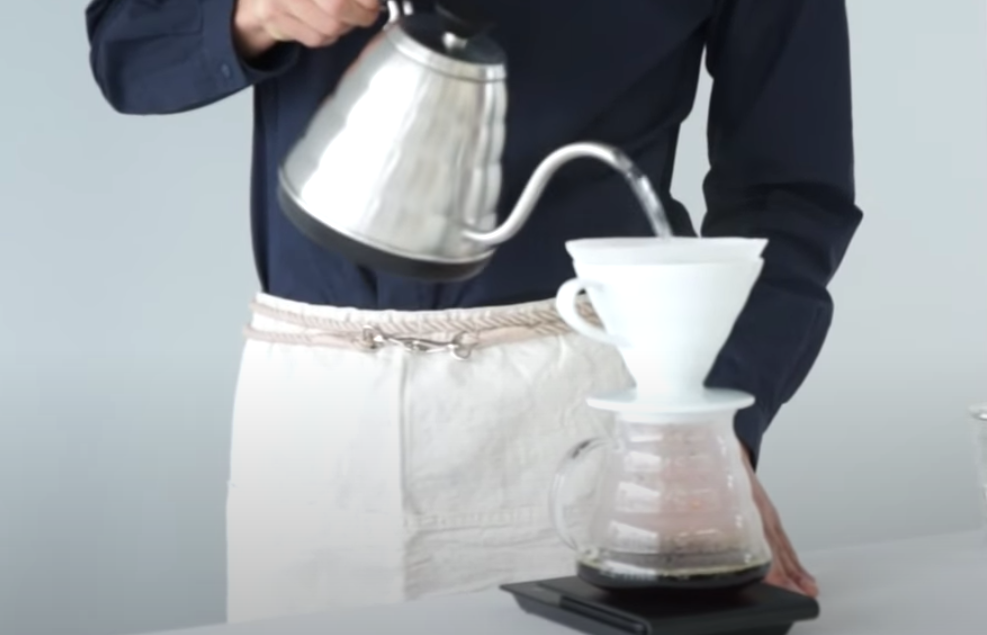
The reason the 4-6 Method maintains stable performance lies in its unique grind size and interval design. Many beginners often encounter issues like over-extraction or uneven extraction, mainly due to overly fine grinds causing rapid release of coffee compounds. In contrast, the 4-6 Method deliberately usesan extra-coarse grind with 50% passing rate through a #20 sieve, significantly slowing the extraction rate. Coupled with the 45-second wait between stages, this allows the flow rate of water through the filter cone to balance with the extraction process. Notably, when the sieve passing rate is 50%, the water in the filter cone usually drains within 40 to 45 seconds, so setting the wait time to 45 seconds ensures the filter cone is in optimal condition for the next pour.
The flavor control logic of this method is clear: the first 40% of water volume (i.e., the first two stages totaling 120 milliliters) mainly affects the balance of acidity and sweetness. To enhance sweetness, you can adjust to 50 milliliters for the first stage and 70 milliliters for the second; conversely, to emphasize acidity, set the first stage to 70 milliliters and the second to 50 milliliters. The principle behind this adjustment is that coffee grounds have a saturation absorption capacity of about twice their own weight. Excess water in the early stages will flow into the server as under-extracted, while the compounds originally extracted in the early stages will instead be extracted by later water, thereby altering the intensity of acidity expression.
The latter 60% of water volume (the last three stages totaling 180 milliliters) is responsible for shaping the coffee’s body and richness. If you prefer a cleaner flavor, you can split the later stages into two pours of 90 milliliters each, reducing the number of pours to lower extraction intensity; if you’re aiming for a dense, rich body, you can divide the later stages into four pours of 45 milliliters each, increasing the frequency of water-ground contact to enhance extraction. This flexible segmented adjustment allows users to fine-tune the overall coffee profile according to personal taste preferences.
In summary, the 4-6 Method, through simplified parameter design and clear stage divisions, effectively lowers the barrier to pour over brewing. Whether you’re a beginner hoping to consistently brew good coffee or an advanced enthusiast looking to deeply understand extraction principles, this method provides practical reference. By adjusting the ratio of front and back stages and the number of segments, you can flexibly create different flavor profiles to meet diverse drinking needs.
The above content is compiled by CoffeeHunters, a coffee news website.


