







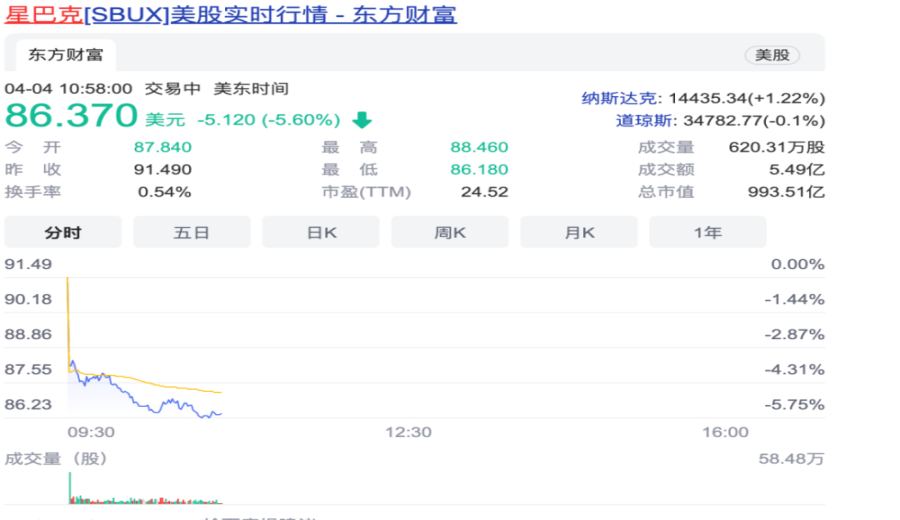
Introduction:On his first day back as former Starbucks CEO, Howard Schultz made a major decision: to temporarily halt stock buybacks and redirect $1 billion toward employee benefits and store operations. This shift came in response to a growing unionization wave among U.S. Starbucks employees driven by high-intensity workloads and stagnant benefits. This article delves into the background, motives behind Schultz’s move, and its potential impact on Starbucks’ future.
On his first day back at the company, former Starbucks CEO Howard Schultz made a significant decision: to pause the stock buyback program and redirect funds originally earmarked for it toward employee benefits and store operations. This strategic pivot was primarily in response to mounting dissatisfaction among U.S. Starbucks staff due to excessive workloads and frozen benefits. To date, ten stores have voted to unionize, with over 170 others having filed petitions.
Schultz publicly acknowledged that the company had let its partners down in terms of store operations and employee care, and announced plans to invest $1 billion to enhance salaries, strengthen training, and improve overall benefit programs. This move not only responds to employee voices but also signals a major shift in Starbucks’ future business strategy.
Since the outbreak of the COVID-19 pandemic, Starbucks has faced numerous challenges including supply chain crises, high inflation, and shifting local U.S. pandemic policies. To cut costs, the company resorted to layoffs and reduced funding for store operations, while continuously launching drink promotions to attract customers. However, these measures significantly increased the workload for store employees without improving salaries or benefits, leading to a gradual rise in long-term workplace dissatisfaction.
Initially, employees attempted to negotiate with the company, hoping to secure greater investment in their welfare and store operations. But Starbucks did not respond proactively or show a willingness to resolve the issues. After multiple failed attempts at communication, employees turned to petitions and voting to form unions, seeking a direct channel for dialogue with the company.
However, while Starbucks remained passive in improving employee benefits, it actively—but ineffectively—sought to prevent union formations. Since the first Starbucks store unionized, more employees have joined the movement, rapidly increasing both the number of applying and unionized stores, eventually forming an unstoppable trend. As of now, employees at ten Starbucks locations across the U.S. have successfully voted to unionize, with applications pending from over 170 others.
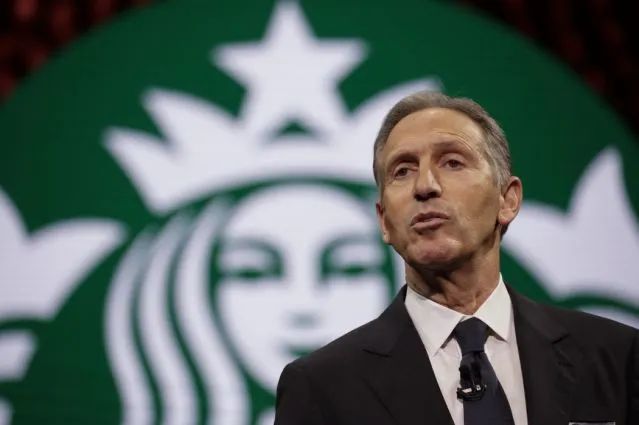
Before Howard Schultz’s return, Starbucks announced the retirement of then-CEO Kevin Johnson, with Schultz stepping in temporarily until a new CEO is appointed. In fact, even before officially returning, Schultz had already devised a plan to “turn the tide for Starbucks,” one key element of which involved investing up to $1 billion in employee salaries, training, and benefits.
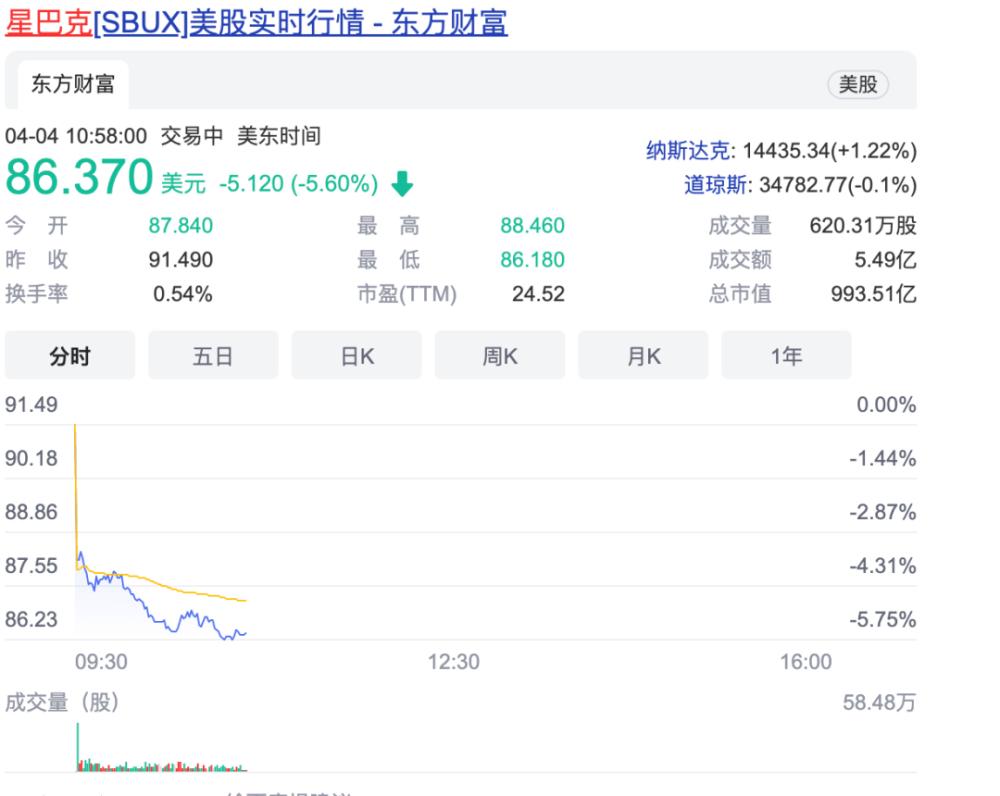
This substantial funding did not come out of thin air. To balance the budget, on his first day in office—April 4—Schultz announced in a public letter the immediate suspension of the stock buyback program. Typically, when companies use capital to repurchase their own shares, it often boosts stock prices, benefiting investors and executives who hold large amounts of stock. During the pandemic, Starbucks had paused stock buybacks in 2020, only to resume the commitment by the end of 2021, planning to replenish $20 billion in dividends and buybacks over three years. By early 2022, Starbucks had repurchased 31.1 million shares, with an additional 17.8 million still authorized for repurchase under current policy.
Schultz made clear that the funds originally intended for buying back those 17.8 million shares would instead be redirected to employee and store operations. To boost morale, he also plans to visit stores in person over the next few weeks to engage directly with frontline employees.
Schultz’s return has been widely praised by both investors and employees. In addressing the union issue, he chose not to confront but to focus on the core problem: improving employees' working conditions and benefits. Before officially taking office, he had in-depth discussions with the manager of the first store to unionize and admitted to the media that the company’s failure to effectively assist employees in overcoming operational challenges was a key reason for their disappointment. As such, improving employee benefits and addressing staffing shortages became top priorities in the 2022 business plan.
As Schultz once said: “People (partners) will always be our most important asset and our competitive advantage.” If a company fails to provide its employees with fair treatment and a sense of belonging, it will face even greater operational challenges in the long run. Only by building a solid internal foundation can a brand ensure sustainable development.
The above content is compiled by CoffeeHunters, a coffee news website.


