







Introduction:Want to explore a filtered coffee with the flavor profile of Naples, Italy? Though the Neapolitan inverted percolator looks similar to a moka pot in shape, it uses a completely different drip extraction method. This article will guide you through the practical parameter settings, correct operation steps of this classic brewer, and how to fine-tune details to achieve a rich, café-style taste reminiscent of Naples. Even pour over beginners can easily get the hang of it.
At first glance, the Neapolitan inverted percolator has a similar three-tiered structure—top, middle, and bottom—like a moka pot, but the extraction principles are vastly different. The former purely uses a drip filtration method to extract coffee flavors, without relying on high-pressure steam, making it a classic filtered brewing device. If you're already familiar with the bold intensity of a moka pot, try this classic brewer from Naples, Italy, to experience a completely different coffee flavor.
The flavor profile of the inverted percolator does bear some resemblance to that of a moka pot, emphasizing a strong aromatic intensity and a rich body. However, its structural design and operational logic take a completely different approach. This article will delve into the correct usage of this brewer, from basic assembly and coffee grounds tamping, to flame control and pouring timing, step by step guiding you through the key details.
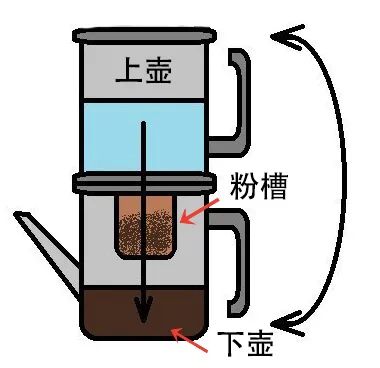
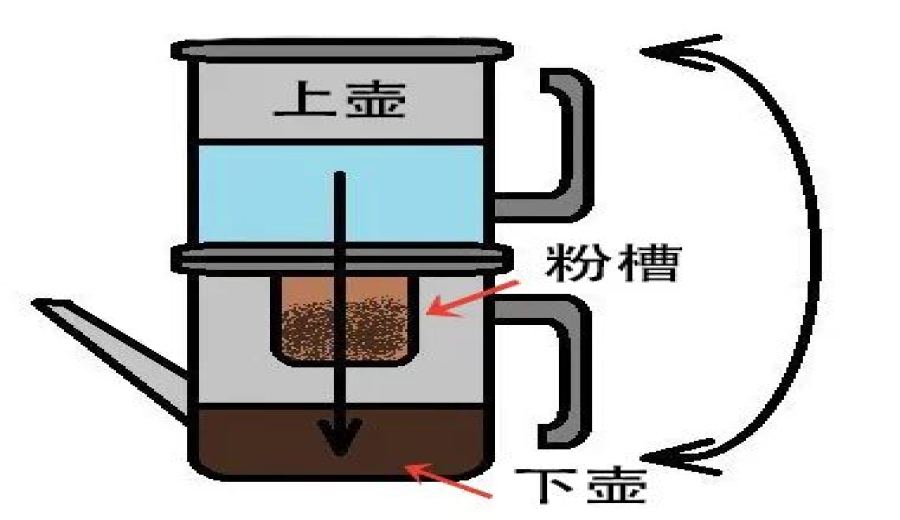
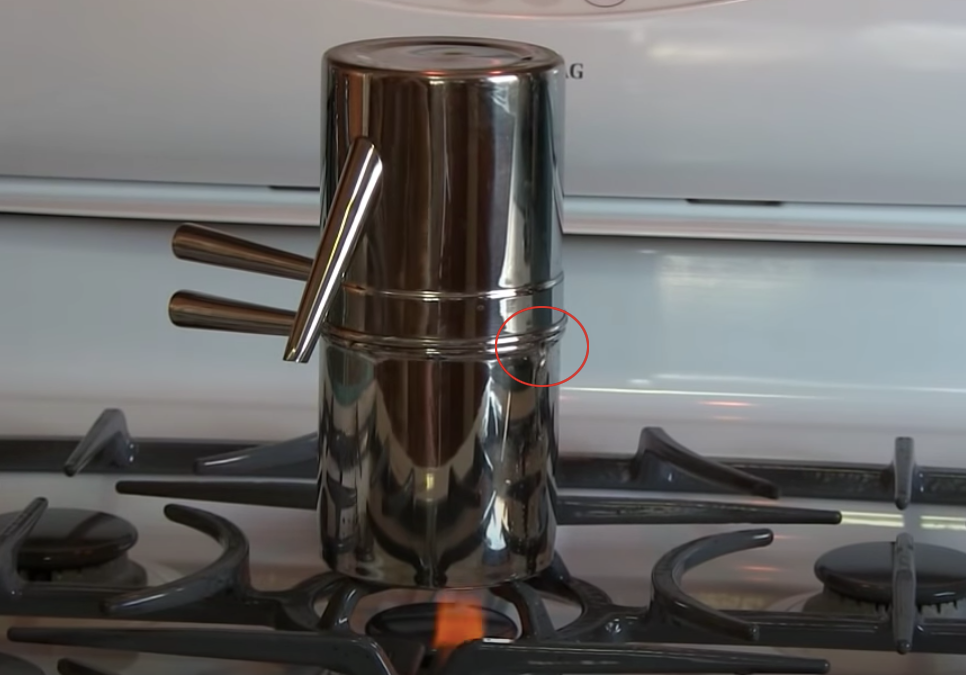
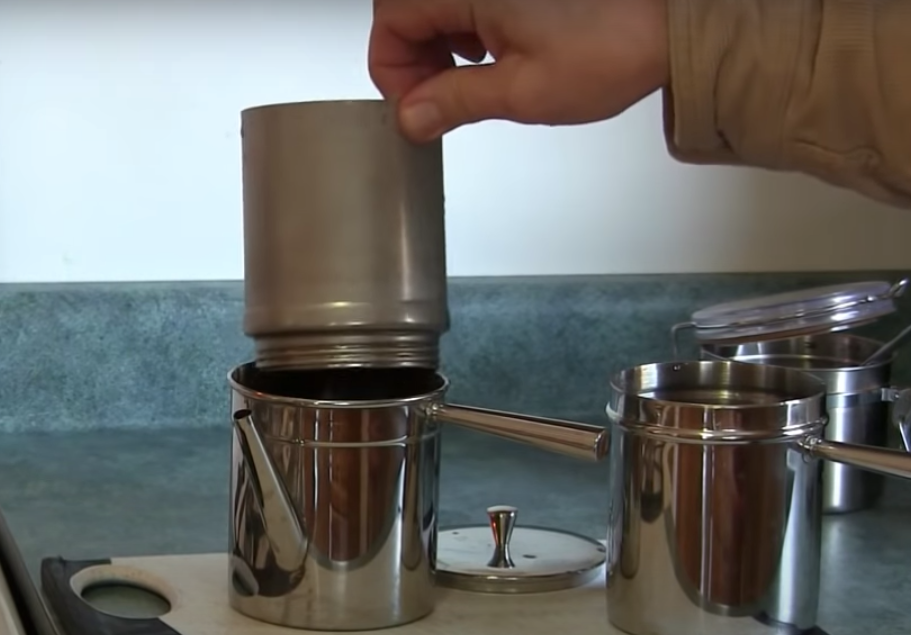
Before you start brewing, it’s recommended to familiarize yourself with the three main components of the brewer: the top chamber holds the brewed coffee, the middle filter basket is where you place the ground coffee, and the bottom chamber contains the heated water. Pay special attention during assembly—you need to invert the brewer (i.e., top chamber facing down, bottom chamber facing up). This is the origin of the name “inverted percolator” and the foundation of its unique operation method.
In terms of parameter settings, it’s recommended to use medium-coarse coffee grounds, similar in texture to coarse sugar used in pour over brewing. Grinding too fine can lead to over-extraction and channeling. A coffee-to-water ratio between 1:12 and 1:15 is a good reference—for example, 20 grams of coffee grounds with 240 to 300 milliliters of water. This range balances flavor concentration and smooth mouthfeel.Water temperature control is one of the keys; it’s recommended to use water heated to 90–93°C.Water that’s too hot can easily extract excessive bitterness and impurities.
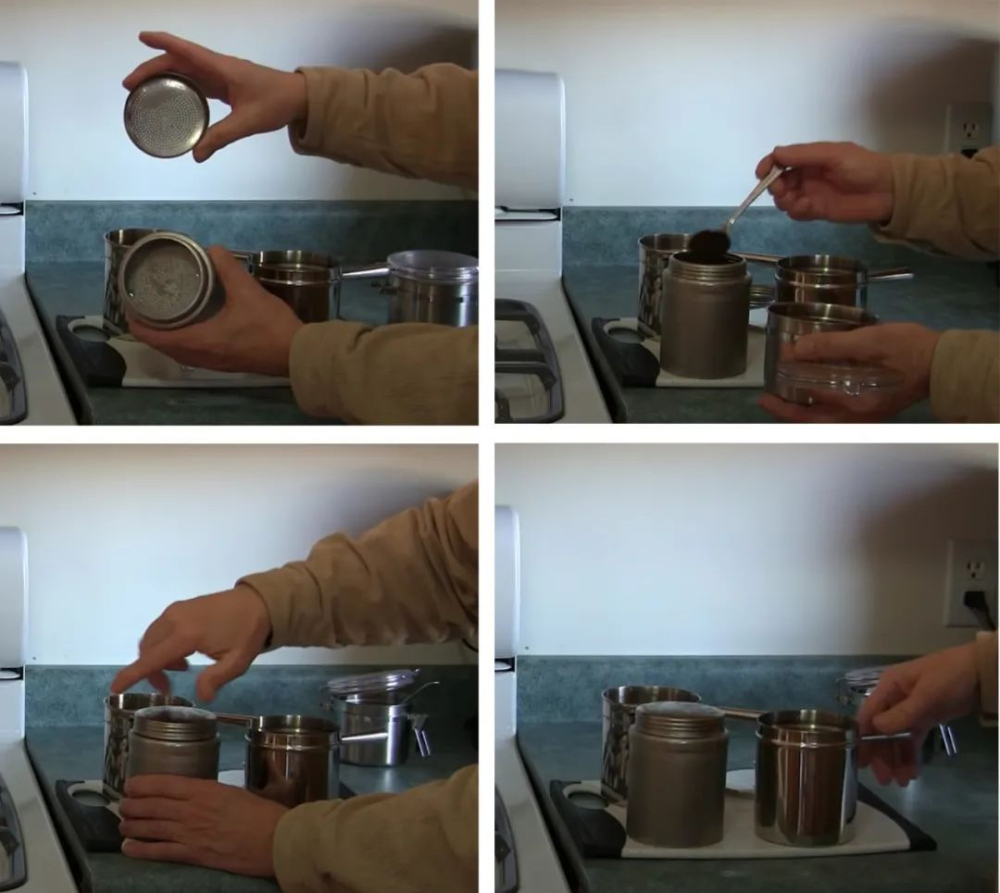
In terms of actual operation steps, first fill the bottom chamber with preheated water (about two-thirds full), then invert the brewer to assemble the top chamber and filter basket, ensuring all parts are tightly sealed without leaks. Next, add the coffee grounds into the filter basket, gently level the surface butavoid pressing down firmly,to maintain stable water permeability. At this point, you can preheat the assembled brewer over a small flame to gradually raise the temperature of the water in the bottom chamber.
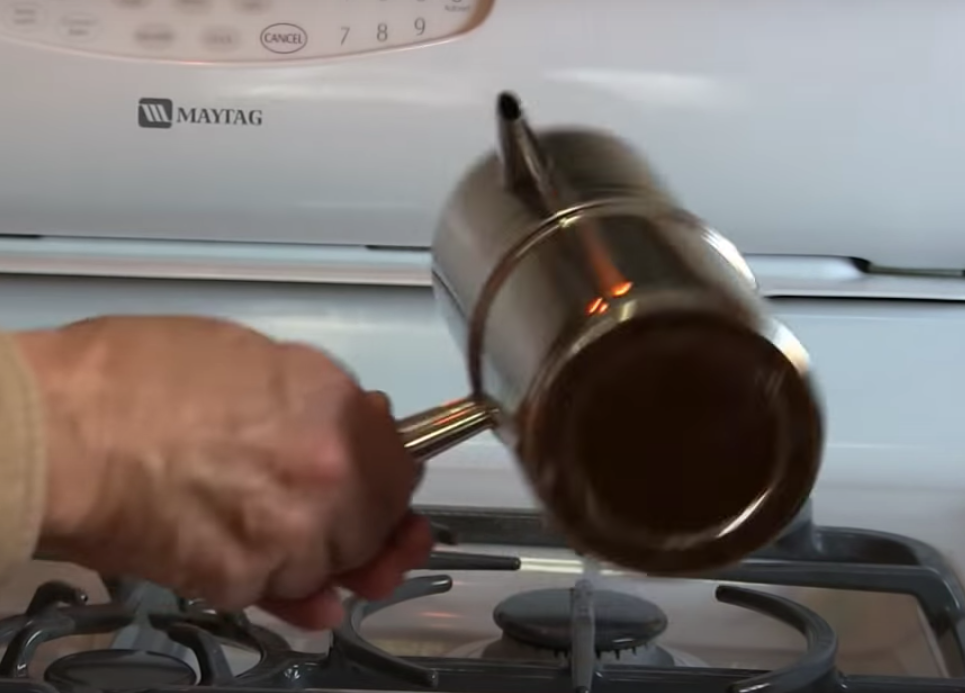
When you notice steam beginning to rise from the bottom chamber (around 85°C), you can flip the entire inverted percolator over so the top chamber returns to its normal position to collect the brewed coffee. The heated water in the bottom chamber will then naturally rise upward through the coffee grounds layer due to temperature and pressure differences, eventually dripping into the top chamber. It’s recommended to maintain a low to medium flame throughout this process to ensure stable heating and avoid localized over-extraction caused by intense flames.
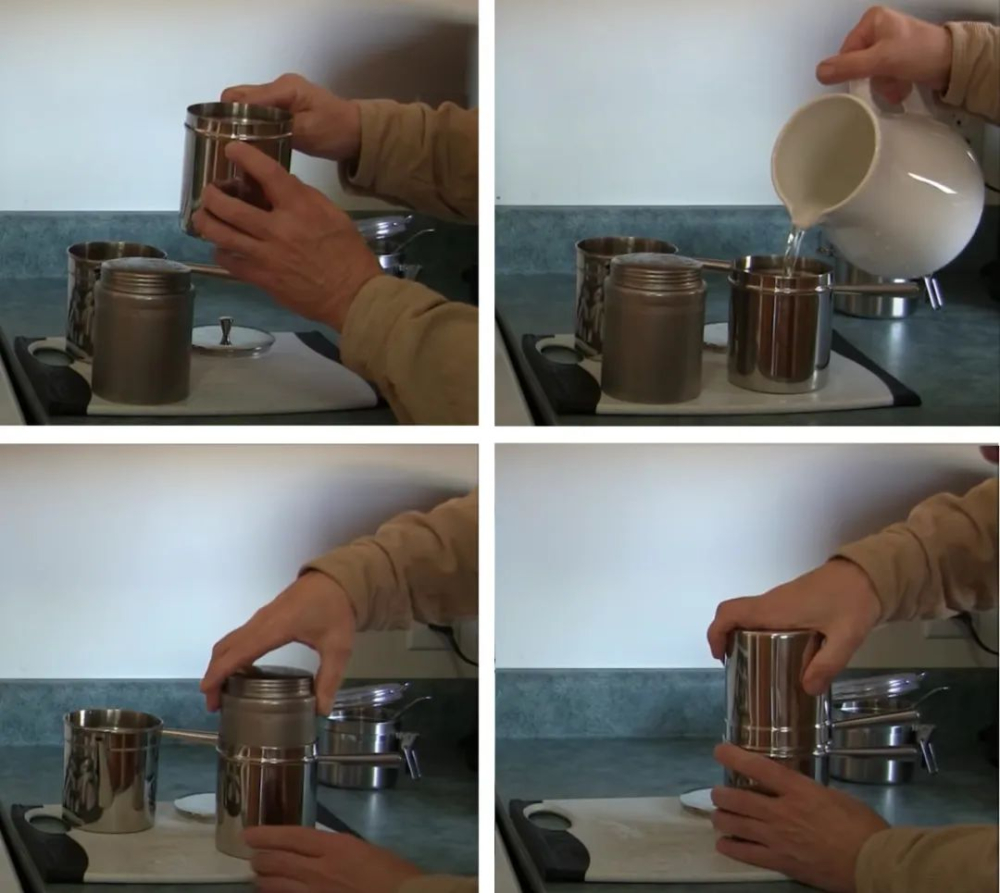
The total brew time usually falls between 3 to 4 minutes. Once the coffee in the top chamber reaches the desired volume (approximately equal to the initial amount of water in the bottom chamber), you can turn off the heat and let the brewer sit for 10 to 15 seconds to allow any remaining coffee to fully drip through. This resting period is crucial for flavor integration, helping to reduce sharp acidity and enhance overall body.
To further optimize flavor performance, you can try the following practical tips:Preheating all equipment helps reduce temperature fluctuations.Using freshly roasted coffee beans (within 7 to 21 days post-roast is the optimal window) can bring out richer aromatic layers. Additionally, based on personal taste preferences, you can slightly adjust the grind size—opt for a slightly coarser grind if you prefer brighter acidity, or a bit finer if you enjoy a richer mouthfeel, but be sure to avoid clogging the filter basket which could affect flow rate.
Common operational mistakes include using too high a flame leading to uneven extraction, tamping the coffee grounds too firmly which restricts water flow, or skipping the resting period resulting in flavor imbalance. A special reminder: the inverted percolator is not suitable for extremely fine grinds. Such fine coffee layers create excessive resistance, not only prolonging brew time but also potentially producing noticeable bitter and harsh notes.
By adjusting these practical parameters and operational techniques, you can replicate the classic flavors of Italian street-side cafés right at home using the Neapolitan inverted percolator. Remember, coffee brewing is an art that requires patience and observation. Every small adjustment in parameters can bring a different flavor experience. Feel free to keep a brewing journal to discover your perfect balance tailored to your taste.
In summary, although the Neapolitan inverted percolator may look similar to a moka pot, its filtered extraction method offers a completely different coffee experience. By mastering the correct coffee-to-water ratio, water temperature control, and flame intensity, along with fine-tuning techniques, you can easily brew a rich, Neapolitan-style coffee with this classic brewer. Whether it’s for a morning pick-me-up or an afternoon break, this brewer can add a unique touch of Italian flair to your coffee moments.
The above content is compiled by CoffeeHunters, a coffee news website.


