








Introduction:High-end new-style tea beverage brands Heytea and Nayuki recently announced successive price reduction strategies, with some products dropping to as low as 9 RMB, sparking widespread market attention. What consumer trends do these adjustments reflect? How do consumers view the extent of the price cuts and any potential changes in quality? This article delves into the specific actions of both brands, relevant market data, and the deeper impact of this price competition on the industry.
The new-style tea beverage market has been in flux recently, with many high-end brands adjusting their pricing strategies in response to market changes. Among them, two well-known brands—Heytea and Nayuki—took the lead in announcing price cuts, with some products even starting at just 9 RMB, prompting many consumers to exclaim “so worth it.” This wave of price reductions has not only reshaped the positioning of the brands themselves but also significantly influenced the overall competitive landscape of the industry.
Nayuki recently launched a brand-new “Relaxed” series, with prices ranging from 9 to 19 RMB, focusing on high cost-performance. The brand further pledged to release at least one new product each month priced with a starting digit of “1”—that is, options just over 10 RMB—giving consumers more budget-friendly choices.
This move quickly sparked widespread discussion on social platforms, with many netizens expressing support for Nayuki’s price reduction strategy and even placing orders to try the drinks right away. However, some consumers are concerned that the price cuts may imply reductions in product quality or portion sizes. Some specifically pointed out that baked goods such as European-style bread were not similarly discounted, raising questions about fairness.
Meanwhile, observant consumers noticed that although the so-called “Relaxed” series is more affordable, the height of the drink cups has noticeably decreased, resulting in an actual reduction in capacity. Some commentators believe that such adjustments seem more like a marketing tactic than genuine concessions, and the actual reduction in raw material costs is questionable.
On the other hand, Heytea had previously announced that it would no longer raise product prices and adjusted the pricing of several popular beverages, allowing consumers to enjoy them at more affordable rates. Beverages that once routinely cost 20 to 30 RMB can now be purchased for around 15 RMB. In the current economic climate, such adjustments have undoubtedly greatly boosted purchase intent.
Notably, according to data from the 《2020-2021 Chinese New Tea Beverage Industry Development Report》, over 80% of consumers prefer tea beverages priced between 10 and 20 RMB per cup, while only a very small proportion are willing to accept high prices above 30 RMB. This indicates that mainstream market demand is concentrated in the mid-price range, which is also a key basis for the strategic adjustments made by the two major brands.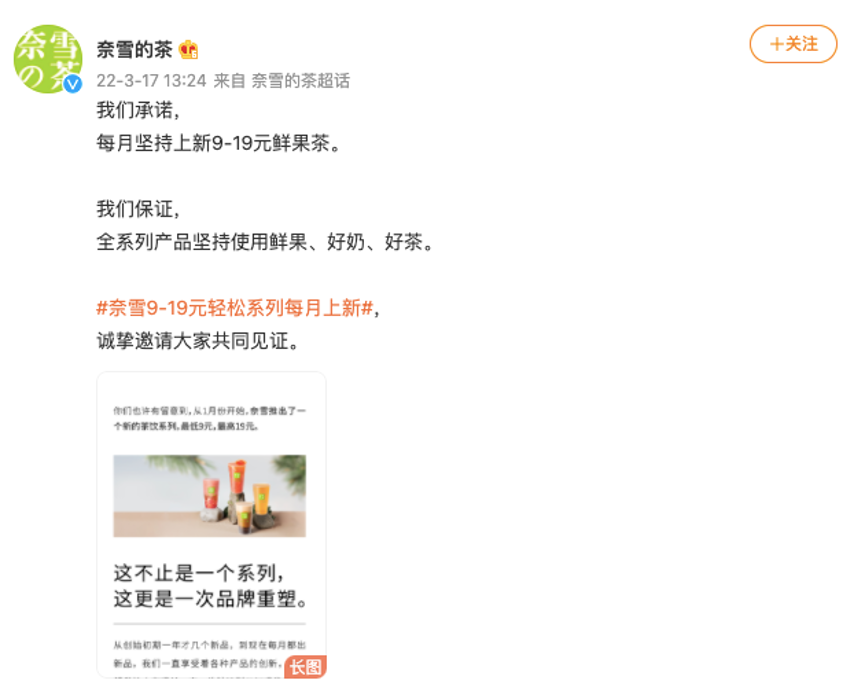
Faced with budget brands like Mixue Bingcheng that are capturing market share with extremely low prices, high-end tea beverage brands must also rethink their positioning. Against the backdrop of rising global supply chain costs in the post-pandemic era, balancing quality maintenance with consumer appeal has made price adjustment one of the key strategies.
For busy urban office workers, having a tea beverage every day was once a routine part of life, but economic pressures have forced many to cut back in this area. Now, the price reduction measures taken by Heytea and Nayuki undoubtedly provide consumers with some breathing room and make the idea of “bubble tea freedom” possible again. However, while enjoying these discounts, consumers should also pay attention to whether there have been corresponding adjustments to the actual contents of the products, making the choices that best suit them.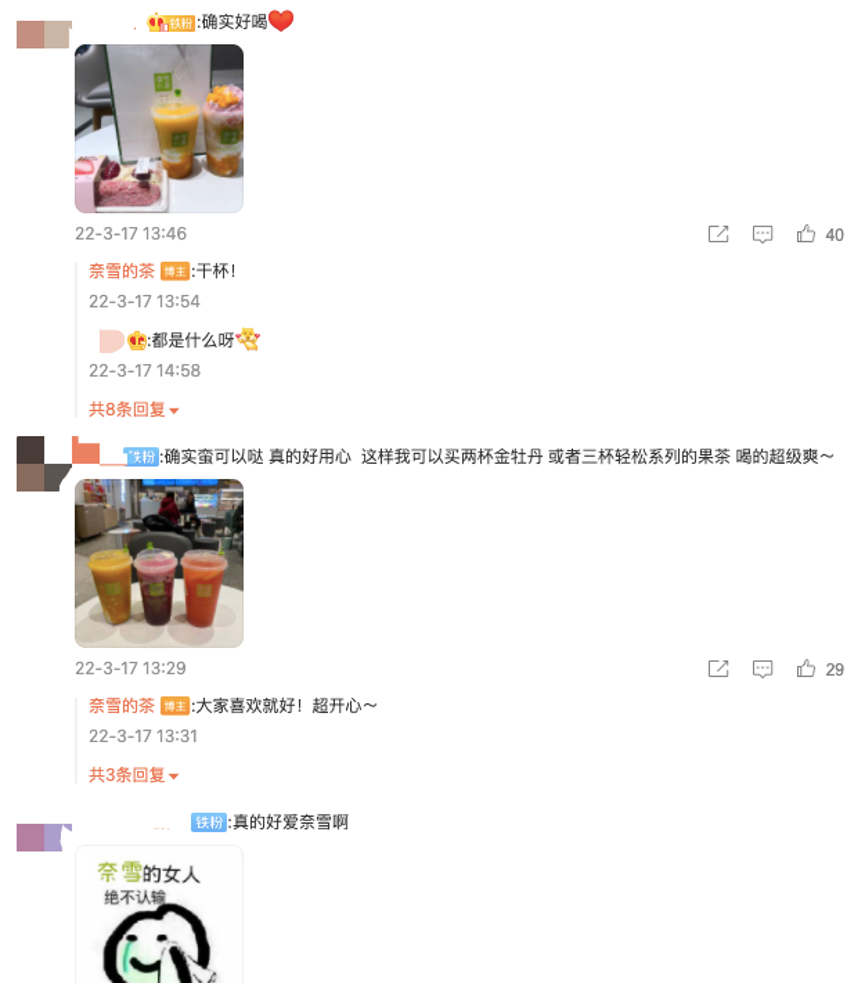
The above content is compiled by CoffeeHunters, a coffee news website.


