







Introduction:Faced with fierce competition in the new-style tea beverage market, Heytea recently announced that it will not raise prices this year and has suspended the sale of drinks priced above 30 yuan. At the same time, its affiliated company has added fruit cultivation to its business scope, aiming to reduce costs from the supply chain source. This article delves into the motivations behind Heytea’s strategy, explores the trend of new-style tea brands extending upstream, and connects it to the similar development path in the coffee industry—from brewing to cultivation—helping readers understand the cost control and quality management strategies in the beverage industry.
Competition in the new-style tea beverage market is becoming increasingly intense, with major brands frequently adjusting their product innovation and pricing strategies. Heytea has been making moves lately: first announcing that it will not adjust prices this year and will temporarily halt the launch of products priced over 30 yuan, followed by its affiliated enterprise expanding its business scope to include fruit cultivation projects, clearly aiming to control costs from the front end of the supply chain. At the same time, Heytea has also faced internal management controversies, including layoffs and employee benefits issues, drawing market attention. This article will take you through the business logic behind Heytea’s series of actions and explore the new trend of the overall new-style tea industry extending upstream, even linking it to the complete supply chain thinking in the coffee industry—from roasting to cultivation.
The domestic new-style tea beverage market is home to numerous brands, each with its own strongholds and characteristics—such as Chagee in Changsha, Heytea and Nayuki in Shenzhen, Mixue in Zhengzhou, and Lelecha in Shanghai. Though these brands vary greatly in style, they share a high degree of commonality in ingredient selection—nearly every product relies on fruit as a primary ingredient.
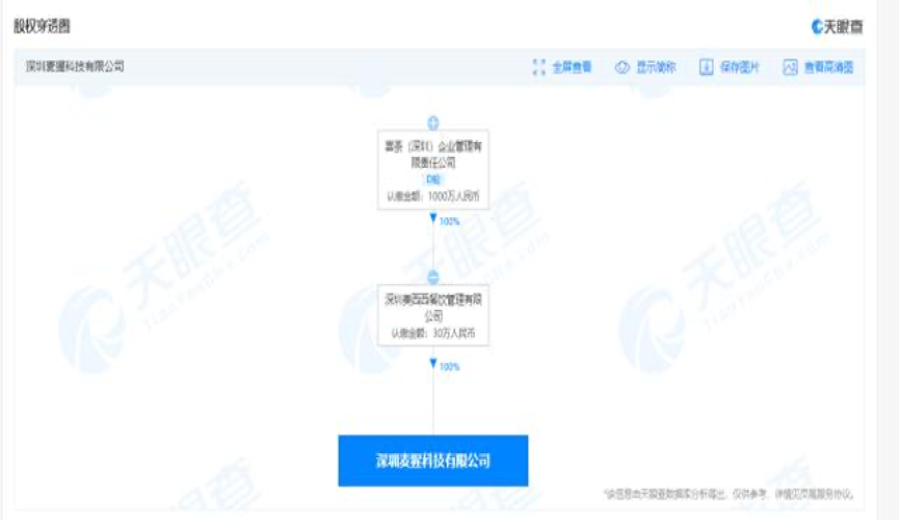
To reduce production costs, some brands are choosing to explore further up the industrial chain by directly engaging in fruit cultivation or cooperating with suppliers. According to reports, Shenzhen Maxing Technology Co., Ltd. recently updated its business registration information, adding “fruit cultivation” to its business scope. The company was established in January 2019 with a registered capital of 300,000 RMB, and its legal representative is Liu Zhichao. It is wholly owned by Heytea (Shenzhen) Enterprise Management Co., Ltd. By taking control of the fruit cultivation process, the brand can more effectively stabilize ingredient quality and procurement costs.
Especially after the popularity of certain hit items like “Tyrannical Yuzhi,” new-style tea beverage businesses have placed greater emphasis on the sourcing and stable supply of specialty fruits. Since a single cup of tea beverage often requires a large amount of fresh fruit, balancing taste assurance with cost control has become a shared challenge for businesses—leading more and more brands to consider direct investment in cultivation or deep collaboration with farms.
In fact, this strategy is not without precedent. As early as the end of August 2021, Mixue Ice Cream & Tea, famous for its slogan “If you love me, I love you, Mixue is so sweet,” established its own agricultural company to layout its raw material supply chain in advance. By early 2022, many new-style tea beverage brands raised their prices in response to rising costs, but Heytea chose the opposite approach, lowering the prices of some products. While this move initially won market favor, it also sparked external questions about its profit model.

Around the Spring Festival, the market reported another round of personnel adjustments at Heytea, allegedly cutting around 30% of its staff. Internal sources also indicated that year-end bonuses were only 188 yuan, along with issues such as poor management and inadequate employee benefits. In response, Heytea’s official statement called it an “internal optimization adjustment.” Some netizens claiming to be employees revealed that there were factional disputes among senior management, chaotic management, and a high staff turnover rate.
Beyond internal adjustments, Heytea has also been active in expanding its investment portfolio in recent years, including investments in brands like SEESAW COFFEE and Yesensee. However, the pace of expansion for its own physical stores has noticeably slowed. Data shows that by the end of 2021, Heytea had a total of 865 stores, with a net increase of 170 for the year—135 fewer than in 2020—indicating that the brand’s strategy has shifted from rapid expansion to refined operations.
Homogenization in the new-style tea beverage market is becoming increasingly severe. Many brands attempt to connect with younger consumers through various marketing tactics, but often misjudge in practice. Today, simply lowering prices is no longer enough to build brand loyalty. Heytea’s announcement this year that it will not raise prices and will completely suspend the sale of products over 29 yuan is undoubtedly an attempt to regain market recognition through a more consumer-friendly pricing strategy.
However, under the pressure of continuously rising raw material costs, brands are forced to find more ways to manage costs, and sourcing from the origin of cultivation is currently seen as a feasible direction to stabilize both quality and price. This is much like the specialty coffee supply chain—from the final brewing experience all the way back to the roasting of coffee beans, and even to the fundamental stage of coffee cultivation. Only by mastering the sources of key ingredients can one truly achieve a dual balance of cost and flavor. A prime example is ensuring a stable supply of popular ingredients like taro paste pearls.
The above content is compiled by CoffeeHunters, a coffee news website.


