







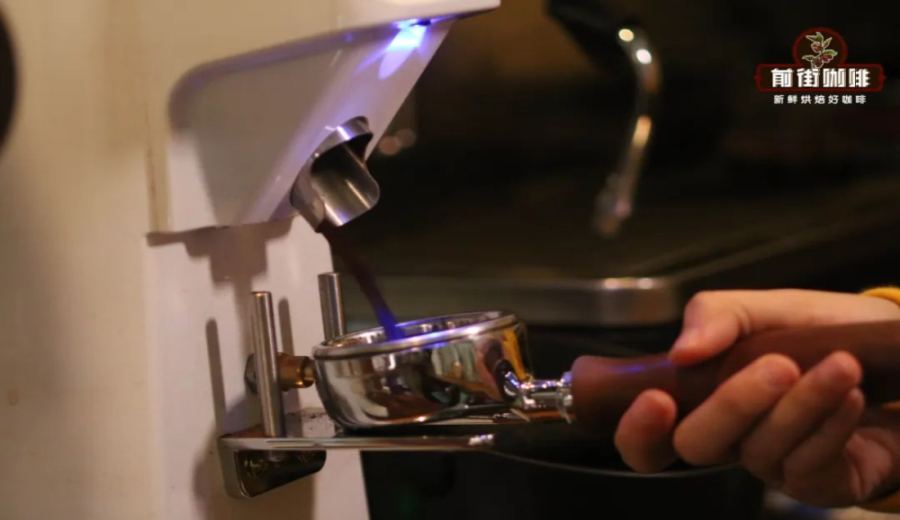
Introduction:To consistently extract an ideal espresso shot, precise adjustment of grind size is indispensable. However, many baristas and enthusiasts often overlook that the condition of the coffee beans and ambient humidity continuously influence grinding needs. This article will delve into why it’s necessary to fine-tune grind settings daily or even every half-day, explore the impact of coffee bean freshness and resting period, and provide a practical grinding logic based on a 1:2 brew ratio and an extraction time of 20–30 seconds to help you precisely control extraction flavors.
Creating a balanced and flavorful espresso shot is by no means a one-time setting. Many people, after initially dialing in their grind settings, continue using the same setting for a long time without realizing that changes over time post-roast and fluctuations in surrounding humidity directly alter the beans’ extraction characteristics. Therefore, timely and meticulous adjustments to the grinder are key to maintaining stable extraction quality.
It is generally recommended to reconfirm the current grind size before making coffee each day to ensure it aligns with expected extraction parameters. Especially in regions with variable climates, even within the same day, morning settings may become ineffective by afternoon due to rising humidity, leading to extraction times that are either too fast or too slow—requiring immediate fine-tuning.
In addition to external environmental factors, the inherent freshness of the coffee beans is another critical variable. Freshly roasted coffee beans contain a high amount of carbon dioxide, which not only interferes with extraction stability but may also suppress the release of aroma and flavor. For coffee beans intended for espresso, it is recommended to allow at least two weeks of resting time to reach a stage where flavor is more stable and extraction performance is consistent.
There are no shortcuts to adjusting grind size—the key lies in observing and adjusting through repeated actual extractions. But before making any adjustments, be sure to clarify two main prerequisites: first, understanding the gap between your current extraction results and expectations, whether it's overly long extraction time, overly sour flavors, or a thin mouthfeel; second, minimizing other variables as much as possible when adjusting grind—these include dose, yield, distribution uniformity, and tamp pressure—otherwise, it will be difficult to accurately determine whether it’s the grind or other factors causing extraction issues.
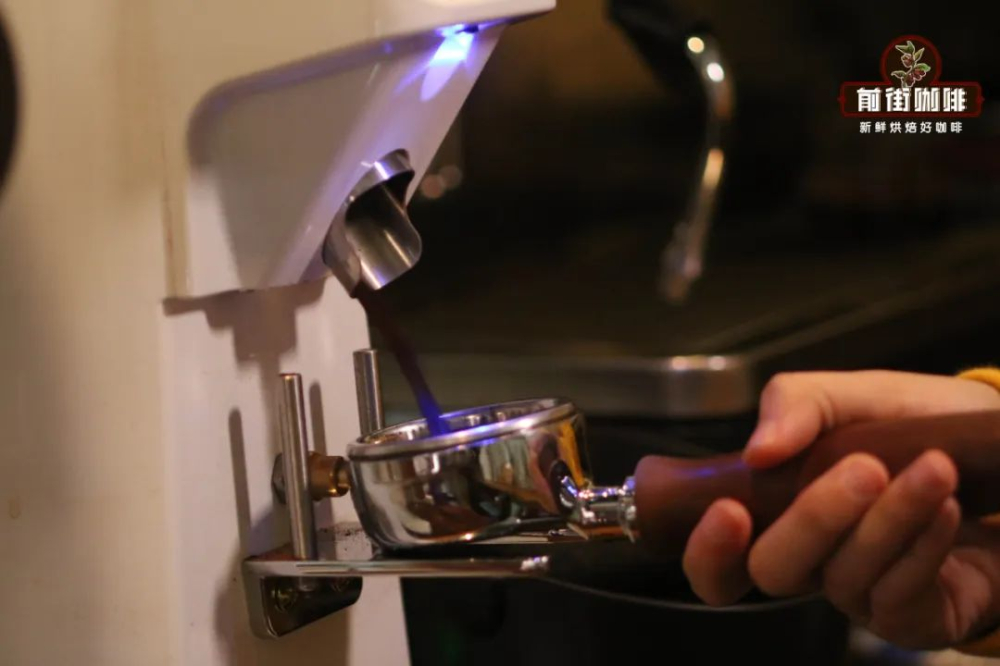
In practical operation, you can use a 1:2 brew ratio as a benchmark and aim to control extraction time within the golden range of 20 to 30 seconds. First, fill the portafilter basket with an appropriate amount of coffee grounds—for example, use 20 grams for a 20g basket—then set an initial grind size, typically around the fineness of granulated sugar or slightly coarser than flour. Start the extraction and time it; if the extraction time exceeds 30 seconds, it indicates the grind is too fine and the burrs should be adjusted coarser; conversely, if the time is less than 20 seconds, the grind is too coarse and the setting should be adjusted finer.
Once the extraction time is initially stabilized within the 20–30 second range, the next step is to make further fine-tuning through tasting. If the coffee tastes lacking in aroma, overly acidic, or has an overall sharp mouthfeel, it usually means the grind is still too coarse—you can try adjusting the grind finer to extend the extraction time and bring out more layers of flavor. Conversely, if the coffee tastes overly intense, with distinct burnt bitterness or smokiness, it may indicate over-extraction due to a grind that’s too fine—in this case, adjust the grind coarser to reduce the flavor defects caused by excessive extraction.
In summary, adjusting espresso grind size is a technique that combines science and experience. By steadily controlling variables, observing extraction time, and complementing it with real flavor feedback, you can gradually find the most suitable grind settings for the current beans and environmental conditions. Only through continuous fine-tuning and tasting can you consistently produce satisfying espressos amid ever-changing daily conditions.
The above content is compiled by CoffeeHunters, a coffee news website.


