







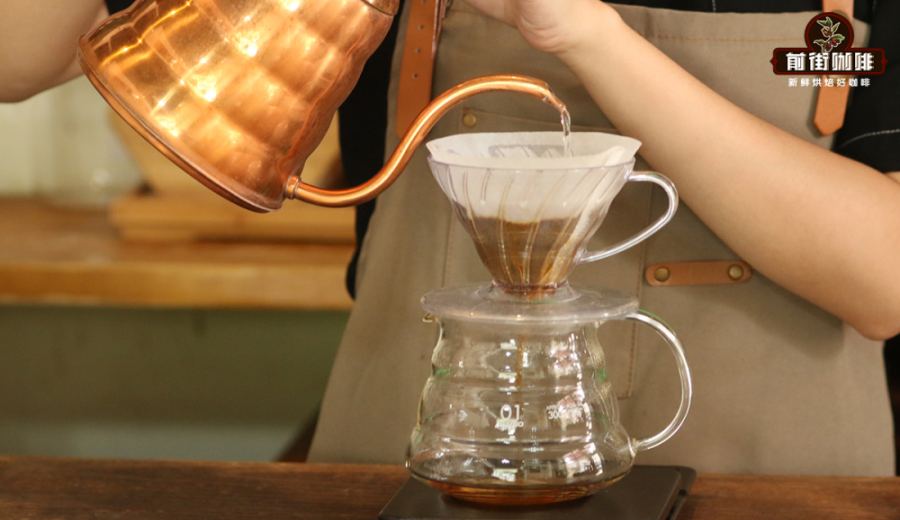
Introduction:To embark on your pour over coffee journey, the first step is to choose the right foundational equipment. This article breaks down in detail the core tools needed for beginners, including the lower kettle, pour over kettle, grinder, filter cone, and thermometer, and offers practical advice for different budget ranges. It focuses on analyzing how grinders critically impact coffee flavor, helping readers build a high cost-performance pour over system within a reasonable budget and avoid common selection mistakes.
If you want to brew a cup of coffee with captivating flavors yourself, assembling basic pour over tools is the most straightforward way to start. Compared to espresso machines that can cost several thousand yuan, the entry barrier for a pour over system is significantly lower. However, as you pursue better extraction techniques and more nuanced flavors, future investments in coffee beans and equipment may gradually increase — theoretically without an absolute upper limit.
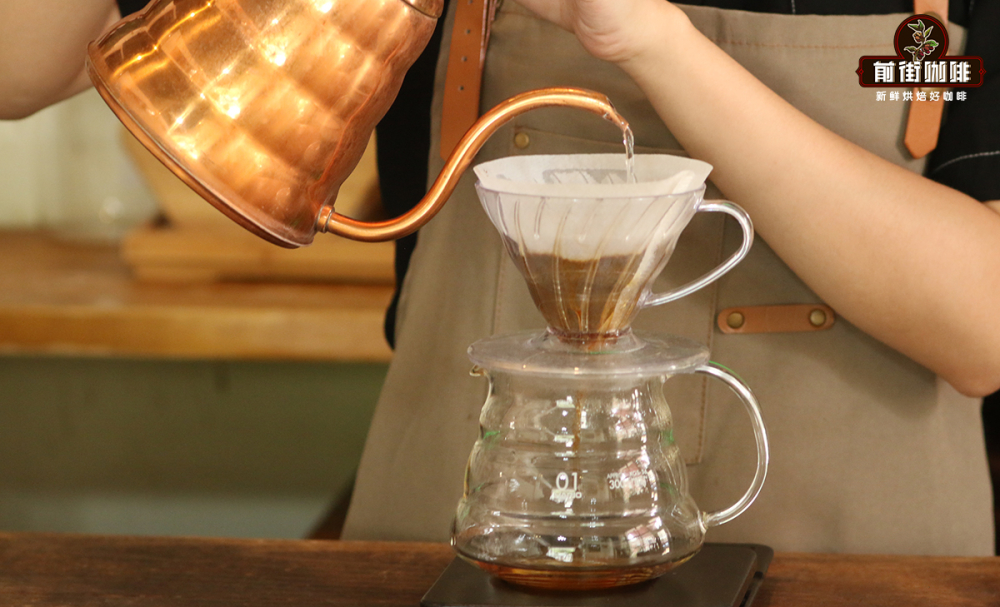
Compared to professional-grade espresso machines, the initial cost of pour over coffee is noticeably more affordable. But it’s important to note that as your personal technique improves and your demand for coffee quality rises, expenses on bean selection and equipment upgrades will gradually increase, and this part of the spending in principle has no ceiling.
If you’re eager to enjoy the pleasure of brewing at home, the most practical approach is to gradually assemble a complete set of basic pour over tools, starting with the simplest combination and then refining it according to actual needs.
Many beginners often wonder what basic items they should prepare and what the overall budget range might be. Below, we’ll introduce in detail the essential tools for pour over coffee — from the lower kettle, pour over kettle, and grinder to the filter cone and thermometer — explaining the function and selection points of each piece of equipment one by one, along with a variety of budget options for reference.
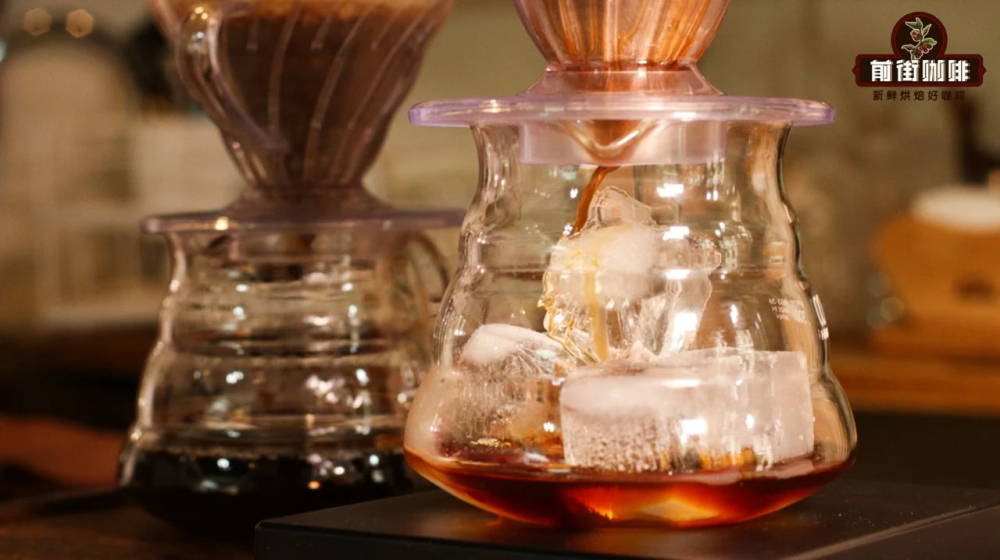
First is the lower kettle. In fact, you don’t necessarily have to buy a professionally designed coffee lower kettle; any stable, transparent container that makes it easy to collect the filtered coffee is fine. If you don’t care about appearance, existing glass cups or mugs at home, or even selecting an aesthetically pleasing container from a glassware store, are all good alternatives, possibly costing just around 40 yuan. However, if you hope to create a more ritualistic brewing experience, it’s recommended to invest in a professional pour over lower kettle, typically priced between 100 and 150 yuan.
Among all pour over tools, the grinder is considered the most critical component affecting coffee flavor performance. Only evenly and finely ground coffee can fully release the aroma and layers of the beans. For beginners, hand grinders are not only intuitive to operate but also much more affordable than electric ones. But beware — don’t opt for overly cheap manual grinders due to budget constraints. These products often have obvious flaws in grind consistency, material quality, and durability, which can negatively affect coffee taste in the long run. If you’re truly aiming for a delicious pour over coffee, it’s advisable to allocate a slightly higher budget to the hand grinder to ensure grind quality. For example, a mid-range hand grinder on the market is priced at around 699 yuan, offering relatively ideal cost-performance. Additionally, to maintain the grinder in optimal condition, it’s recommended to also purchase cleaning tools such as a brush and a blow ball, with a budget of around 30 yuan. This helps extend the equipment’s lifespan and ensures hygiene and precision with each grind.
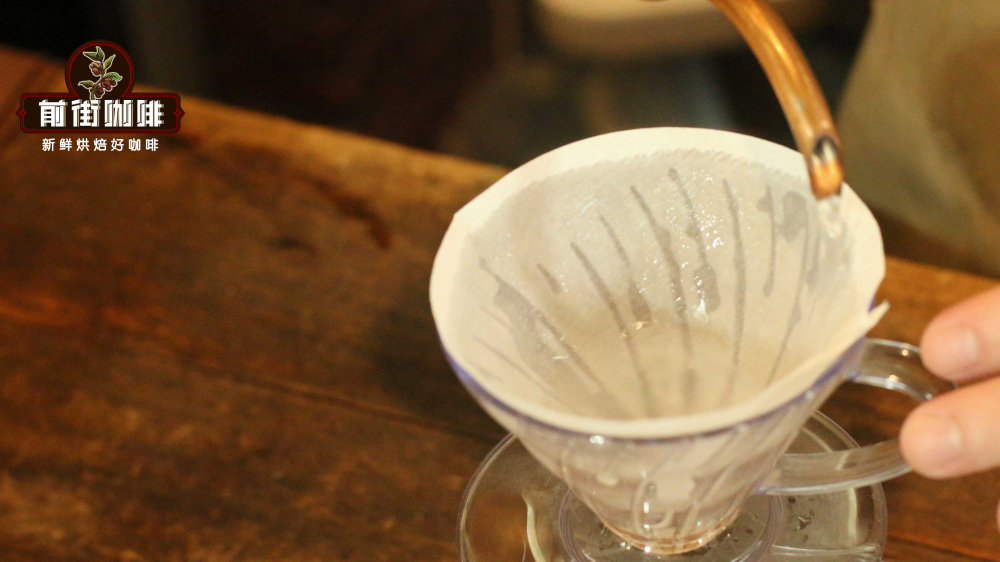
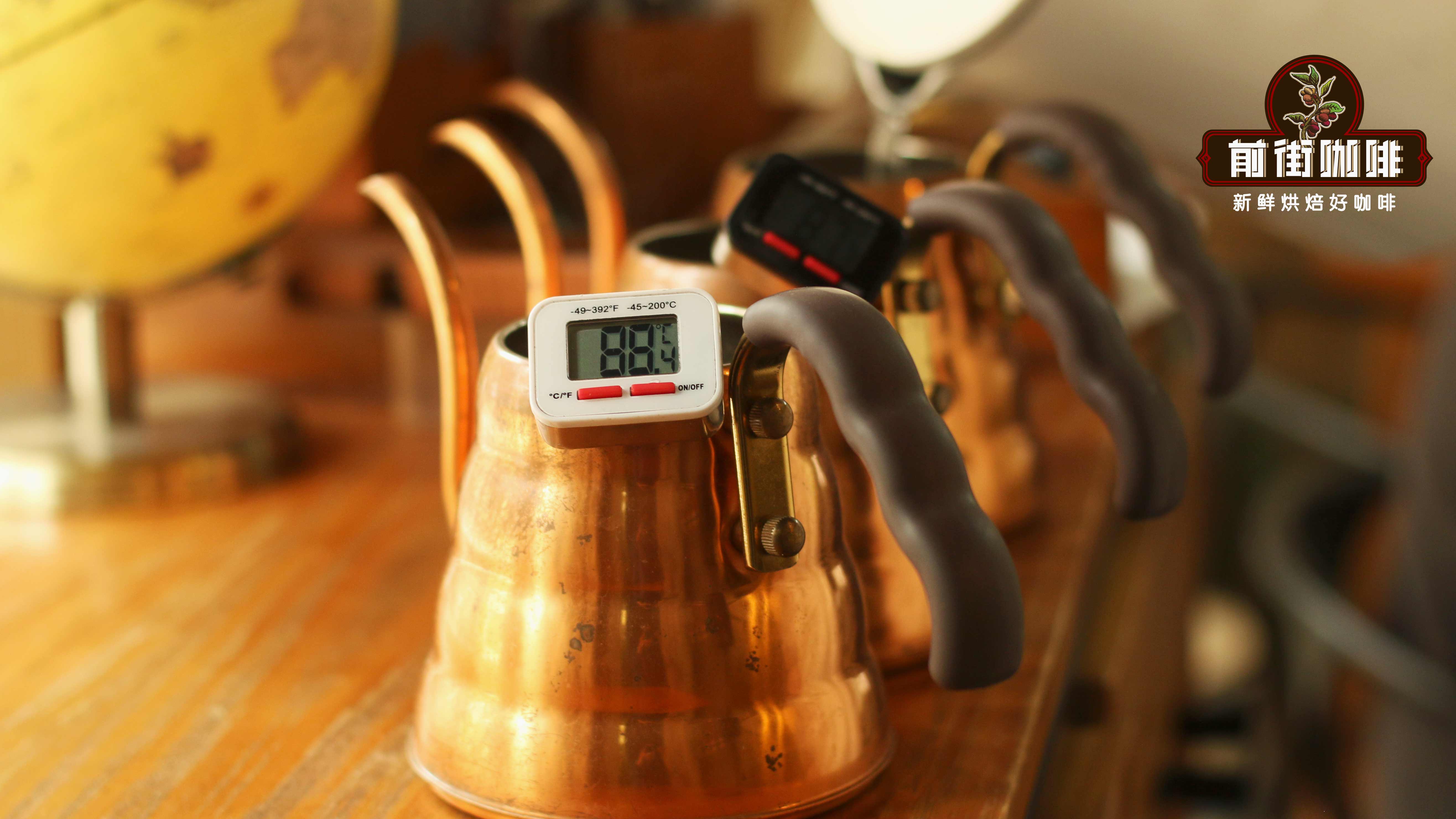
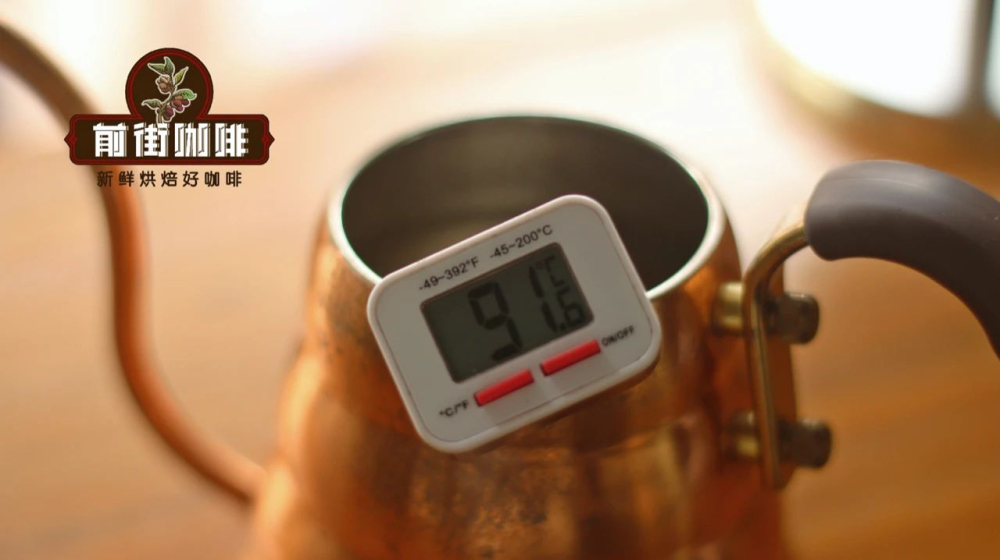
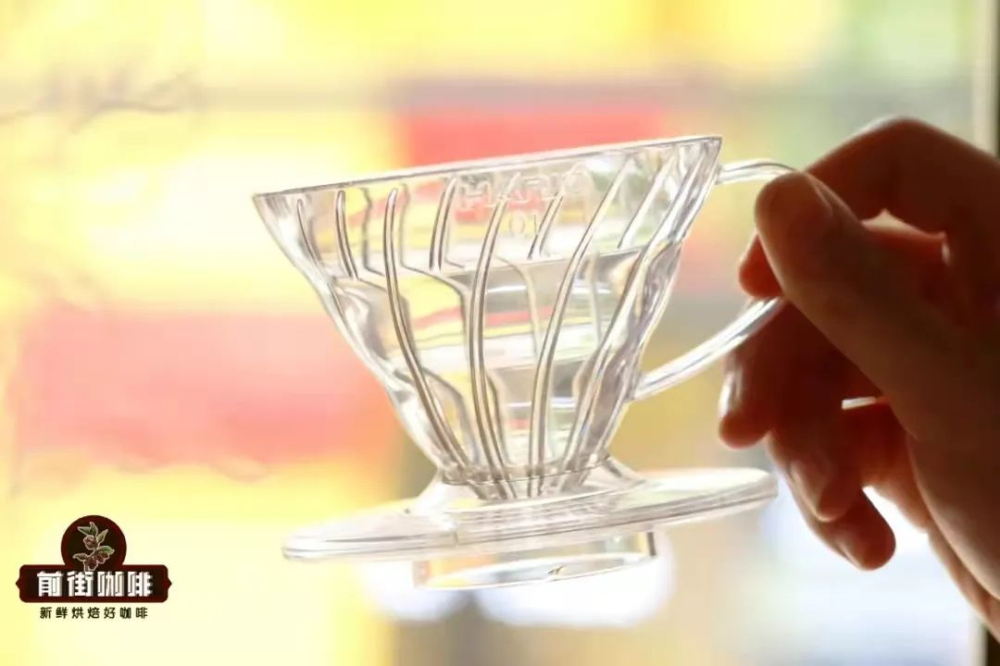
As for the pour over kettle, although not absolutely necessary, a well-designed kettle can help you more precisely control water flow speed and angle, thereby improving extraction consistency. Beginners can choose a basic model and upgrade to a kettle with a professional showerhead design as their skills improve. Filter cone choices are also diverse — from fan-shaped to large-diameter cone shapes — different designs affect flow rate and extracted flavor, so it’s recommended to gradually experiment based on personal preference and brewing technique. A thermometer helps you monitor the optimal brewing water temperature, which is generally recommended to be between 90°C and 96°C, adjusted slightly depending on the bean type and roast level.
In summary, for beginners entering the world of pour over coffee, the basic equipment budget, if guided by practicality and cost-performance, can generally be kept under 1,000 yuan. But if you hope for better performance in grinding and extraction control, it’s wise to moderately increase the budget for the grinder and pour over kettle. Remember, the quality of the grinder often directly determines the final flavor presentation — investing in a high-quality hand grinder is definitely a worthwhile long-term decision.

The above content is compiled by CoffeeHunters, a coffee news website.


