








Introduction:To craft a smooth and velvety latte, the texture of the milk foam is key. This article delves into how to choose the right milk, adjust your steam wand settings, and guides you step-by-step in mastering the techniques of foaming and texturing. It not only explains why whole fresh milk is favored but also details how foam fineness impacts taste, helping beginners build correct concepts and improve both latte art and overall coffee flavor.
If we’re talking purely about taste, two lattes made with the same coffee beans and milk can differ greatly in flavor just based on the fineness of their foam. Fine, velvety foam makes the coffee feel smoother and more layered. Achieving this result requires not only skilled technique but also strict control from the basics — starting with milk selection and steam wand preparation. This article will fully break down each step of milk frothing to help you achieve professional-grade foam quality.

First, the type of milk directly affects the fineness and stability of the foam. While theoretically any milk can be frothed, the industry generally prefers fresh whole milk. There are two main reasons: first, whole milk has a richer natural milk aroma, which enhances overall flavor complexity; second, its fat content, usually around 3%, helps create a more stable foam structure that’s less prone to collapsing or separating quickly. In contrast, low-fat or skim milk often lacks sufficient fat, leading to foam that collapses easily and has poorer fineness.

Once preparations are complete, it’s time for the actual process of steaming milk using the coffee machine’s steam wand. Before you begin, it’s advisable to check a few key points: First, ensure the steam wand is clean and free of milk residue to avoid contaminating fresh milk; second, confirm the steam pressure, especially with new machines — it’s recommended to test with water first; third, release any condensed water from the steam wand before use to ensure the steam is pure and at a stable temperature. These seemingly simple steps are crucial details that affect foam quality.
When you start the frothing process, it’s recommended for beginners to fill the pitcher to about five to six-tenths full. Too little makes it hard to maintain a stable whirlpool, while too much increases handling difficulty. Next is finding the ideal frothing position — whether clockwise or counterclockwise, the goal is to keep the milk rotating in one direction to minimize bubble formation. Typically, when viewed from above the pitcher, the 3 o’clock and 9 o’clock positions are most ideal, helping form a stable and smooth whirlpool.
The frothing process can be divided into two stages: the first is “frothing,” where air is incorporated into the milk to create fine bubbles. At this stage, the steam wand should be inserted diagonally just beneath the milk surface — roughly half submerged and half exposed — until you hear a clear, high-pitched “hissing” sound, indicating that air is being evenly injected. This stage should last about 3 seconds; don’t extend it too long or you’ll produce too many large bubbles. Then move on to the “texturing” stage, where you submerge the steam wand fully into the foam and use the swirling motion to refine the coarser bubbles, creating a silky, delicate texture.
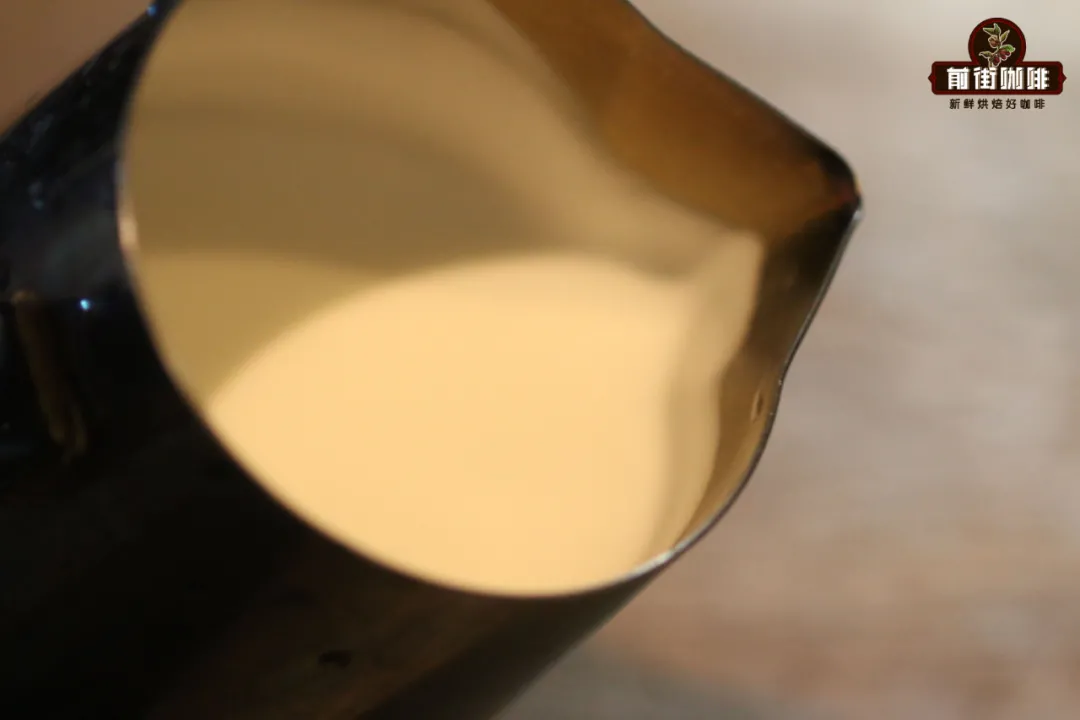
A common mistake many beginners make during the texturing stage is inserting the steam wand too deeply, which prevents the surface bubbles from being refined properly, resulting in a coarse and uneven foam texture. The correct approach is to adjust the wand's position so it is just below the milk surface, ensuring you no longer hear the sharp hissing noise — this indicates you’ve entered the refinement stage. Maintaining a stable whirlpool and proper wand depth are the two keys to achieving ideal foam.
Finally, it’s important to note how foam fineness affects the overall flavor of the coffee. Fine foam blends uniformly with the coffee liquid, delivering a smooth and rich mouthfeel, making each sip layered and satisfying. In contrast, coarse foam not only fails to blend well with the coffee but can also lead to an inconsistent drink experience — sometimes bland and weak, other times overly heavy — severely impacting enjoyment. Therefore, mastering milk frothing techniques is not just about creating beautiful latte art, but is also essential for enhancing the overall flavor of the coffee.
The above content is compiled by CoffeeHunters, a coffee news website.


