







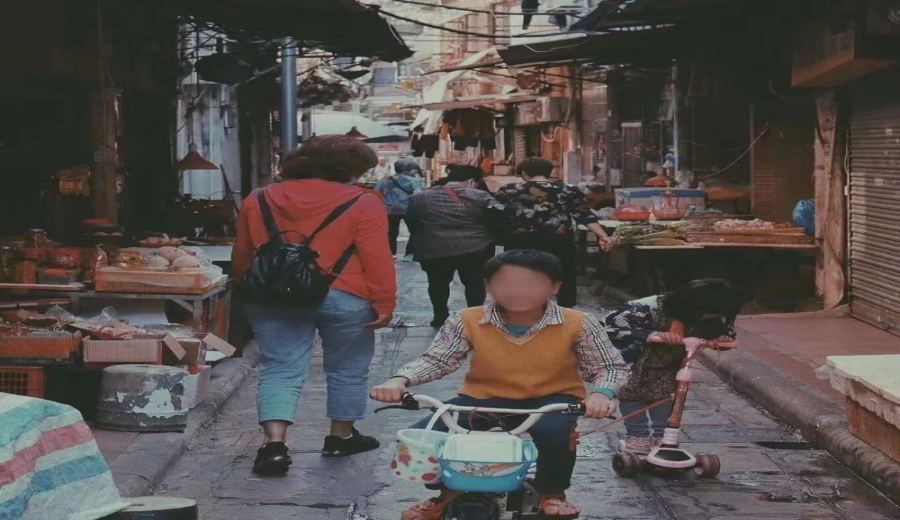
Introduction:With the rise of the specialty coffee trend, many consumers lament that drinking coffee has become increasingly expensive. However, from Qicheng Coffee in Guangzhou’s wet market to Honglang Coffee in a Shantou cheung fun shop, these humble neighborhood shops offer high-quality brews at affordable prices, breaking the stereotype that specialty coffee is out of reach. This article delves into the reasons behind the high prices of specialty coffee and introduces business models that bring quality coffee back into everyday life, helping readers understand how to enjoy premium coffee within a reasonable budget.
As specialty coffee culture becomes more widespread, many people find that enjoying a good cup of coffee seems to be getting more and more costly. Factors such as carefully selected beans, comfortable environments, and stylish storefronts often drive up prices. Yet, coffee can—and should—be a part of daily life, accessible and affordable. Through examples like Qicheng Coffee in Guangzhou’s wet market, Cai Chang Coffee in Hangzhou’s farmers’ market, and Honglang Coffee in a Shantou cheung fun shop, this article explores the logic behind the pricing of specialty coffee and examines how small shops manage to bring high-quality coffee to the masses.
Many people still associate coffee shops with “a cozy ambiance and a quiet environment.” Such expectations often lead to the undervaluation of coffee shops located in everyday settings. For instance, Qicheng Coffee, situated in a Guangzhou Tianhe District wet market, initially struggled to attract customers due to its proximity to a meat stall, resulting in a noisy environment, coupled with the perception among many elders that coffee is both expensive and bitter. However, thanks to low rental costs, the shop is able to offer a variety of specialty coffee beans, with the cheapest latte priced at just 15 RMB and pour over coffee at only 20 RMB, allowing customers to try high-quality coffee at an affordable price.
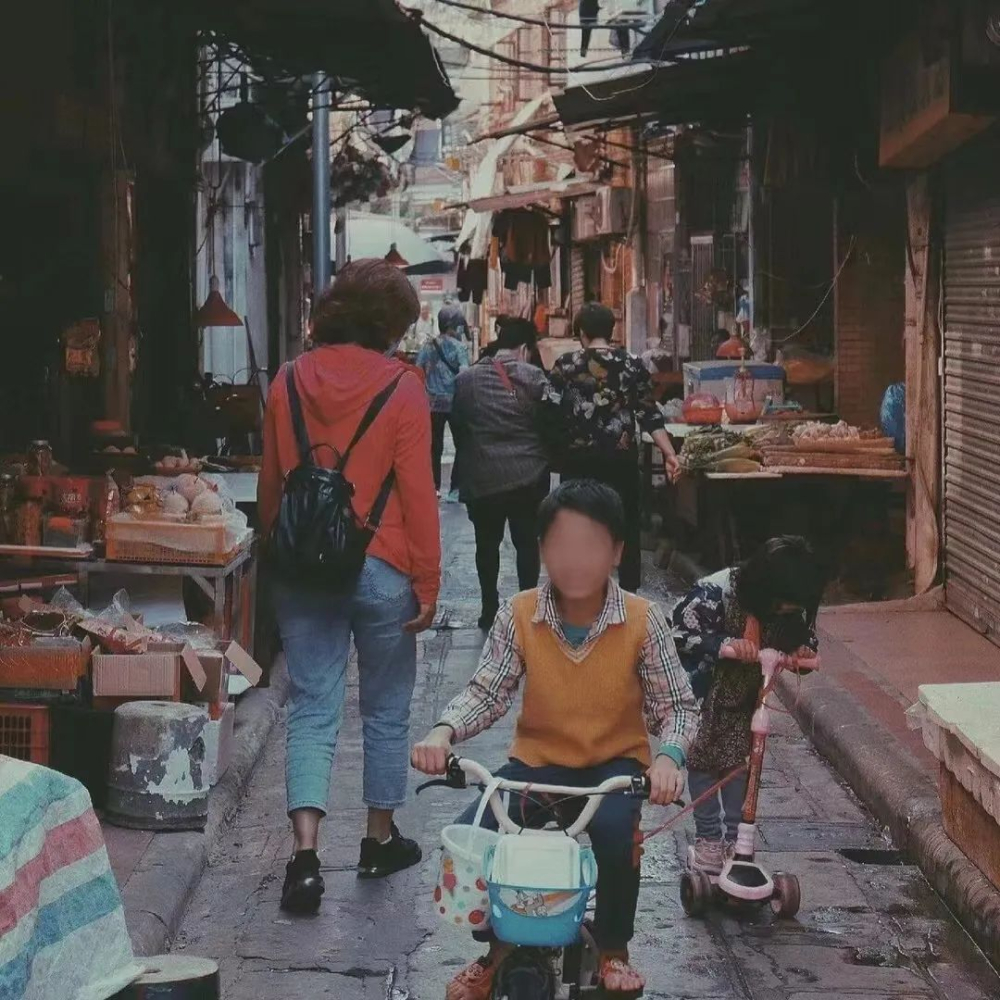
Another noteworthy example is Cai Chang Coffee in Hangzhou, which is integrated directly into a farmers’ market stall. Benefiting from low rent and high foot traffic, it attracts consumers of all ages. This down-to-earth location breaks the myth that “coffee shops must be in trendy commercial areas,” giving those curious about coffee but unwilling to spend a lot a chance to experience specialty brews. Affordable pricing lowers the barrier to entry and opens the door to the world of coffee for more people.
In Shantou, Honglang Coffee, located inside a cheung fun shop under a residential building, takes the concept of accessible coffee to an even greater extreme. The shop does not serve espresso-based drinks, offering only drip-brewed coffee, yet it boasts a rich selection of beans and professional certifications. Aside from the Geisha variety, all other single-origin coffees are priced uniformly at 12 RMB, enabling customers to enjoy high-standard coffee at an incredibly low cost. Even more interestingly, the shop offers a “coffee and cheung fun combo,” pairing local Chaoshan cuisine with specialty coffee to create a unique and harmonious dining experience.
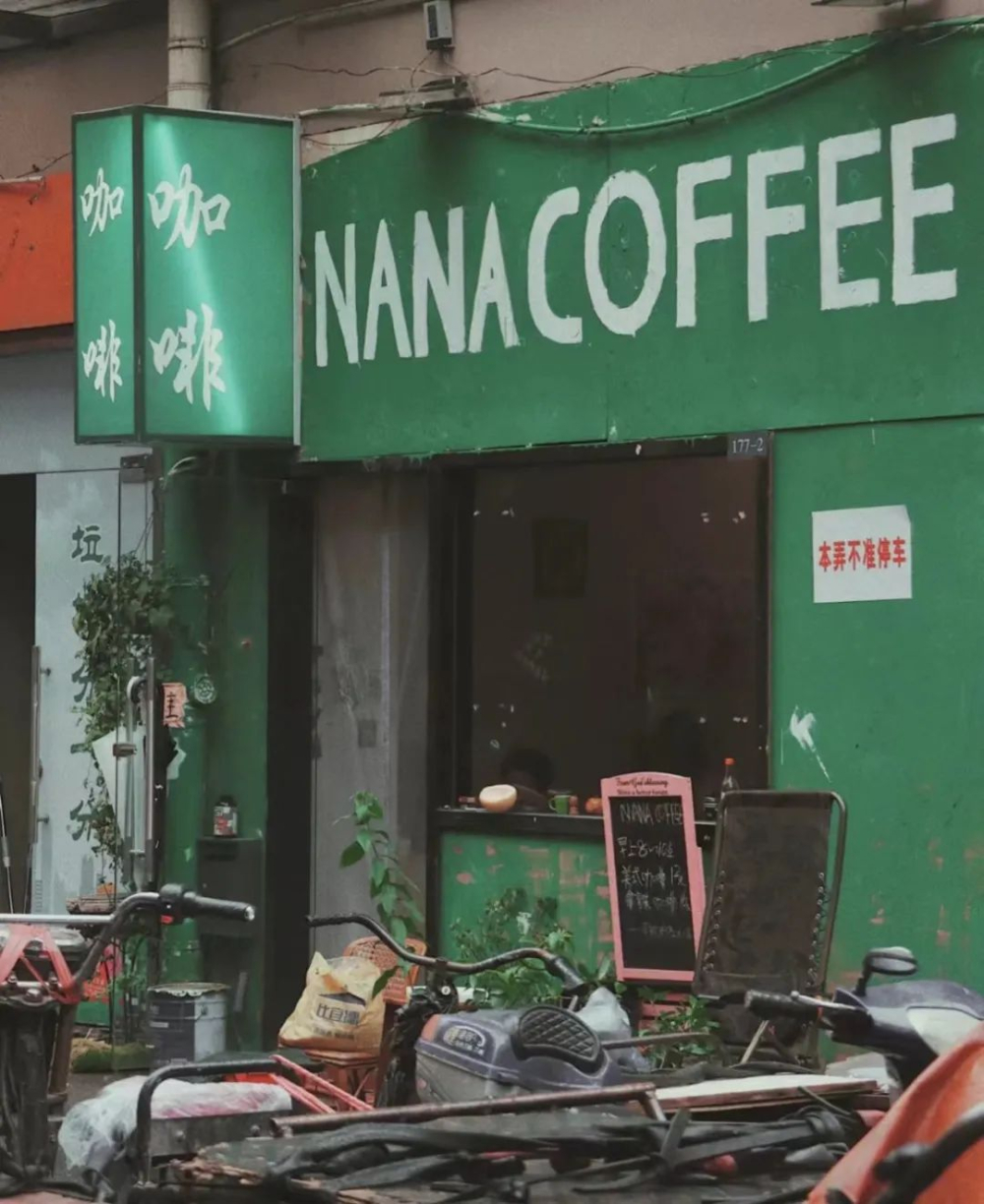
The key to the success of these neighborhood shops lies in their refusal to be confined by the “specialty” label. The essence of specialty coffee lies in the quality of the beans, the expertise in brewing techniques, and the resulting flavor profile—not the price tag or the level of luxury in the storefront. In fact, many consumers’ first impressions of coffee are often influenced by the environment and price, leading to biases. But as long as each cup is brewed with care, whether in a wet market, a cheung fun shop, or a street-corner café, the beauty of coffee can still shine through.
These examples remind us that coffee culture should be inclusive and diverse. It can be an elegant afternoon by the Seine, a spontaneous enjoyment on a Vietnamese street corner, or an affordable latte in Guangzhou’s wet market. Bringing coffee back into everyday life not only lowers the barrier to trying it but also helps the coffee culture spread in a healthier way. For industry professionals, what matters more is sharing accurate coffee knowledge and brewing skills, rather than creating intangible barriers that discourage those who want to learn about coffee.
In summary, specialty coffee does not necessarily equate to high prices. The small shops in everyday settings are proving with their actions that quality and affordability can coexist. Whether you’re a beginner coffee enthusiast or an adventurous drinker seeking new flavors, consider visiting these neighborhood coffee spots to experience a different side of coffee culture. You might just discover that specialty coffee can actually be very approachable.
The above content is compiled by CoffeeHunters, a coffee news website.


