







Introduction:When a consumer in Beijing received a Starbucks delivery order, they found two handwritten lines on the takeout bag that were perceived as “inspirational quotes,” leading to discomfort and controversy. This incident not only made customers question the brand’s boundaries in communication but also highlighted the importance of handling details in delivery services. This article will delve into the sequence of events, responses from all parties involved, and explore how to avoid the potential risks of “dual interpretation” in coffee delivery service copywriting.
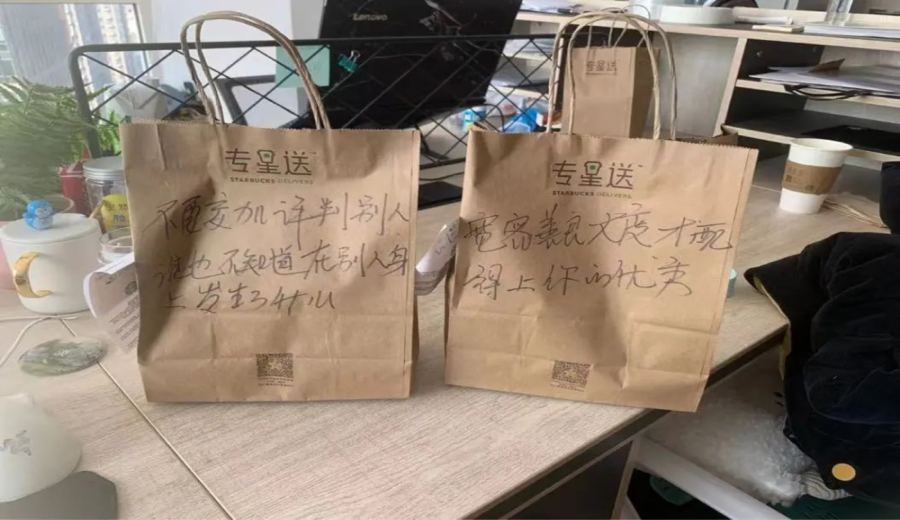
Recently, a netizen in Beijing shared her Starbucks delivery experience on a social platform, which stirred up controversy due to a handwritten note on the takeout bag. Upon receiving her order, she noticed the following messages written on the bag: “Don’t judge others hastily, as you never know what they might be going through” and “Only those who are tolerant, kind, and magnanimous deserve your excellence.” These phrases, described by netizens as “inspirational quotes,” made her feel accused and deeply uncomfortable.
The consumer emphasized that she had been polite throughout the ordering process. She placed the order via the delivery platform, promptly answered the delivery driver’s call, and followed instructions to place the meal in the delivery locker. However, when she opened the package and saw the handwritten text, her first thought was not that it came from a Starbucks staff member—she assumed there had been a mix-up in the delivery process. It wasn’t until she compared the order details with the last digits of a phone number that she confirmed it was indeed her order.
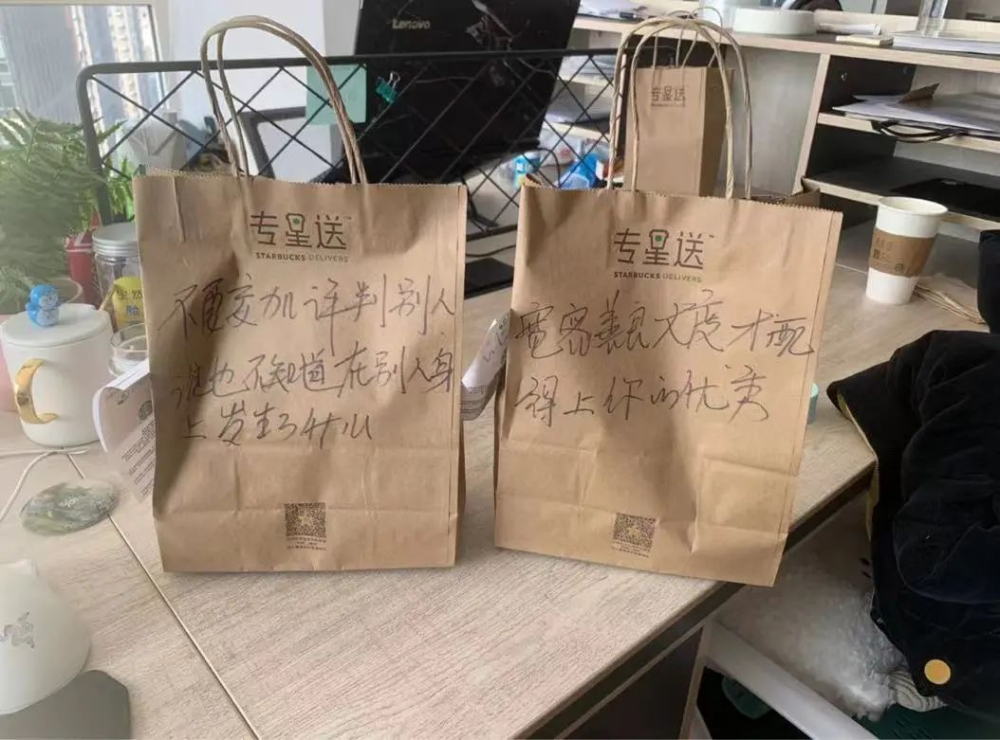
She further speculated that the handwriting was unlikely to be from the delivery driver. Judging by the thickness of the strokes and the writing style, it more closely resembled the kind used by Starbucks employees to label cups. As a result, she proactively contacted the store where she placed the order to inquire, and the store responded that the words were positive blessings written by the staff, intended to convey goodwill and definitely not meant as an attack.
However, this response did not quell the controversy. The consumer felt that even if the intention was good, such phrases could easily lead to misunderstandings if the recipient’s feelings were not taken into account—especially when content is added without the customer’s consent. Subsequently, both Starbucks customer service and the relevant store issued public apologies, acknowledging that the text was indeed written by a staff member, but also emphasizing that the intent was to build a closer connection with customers.
As the incident continued to gain traction, Starbucks stated that such “blessing phrases” were a regular practice in their stores, originally intended to send positive energy to customers. Nevertheless, some consumers and netizens remained unconvinced, arguing that even well-intentioned words, if not filtered or communicated properly, can backfire due to “dual interpretation,” especially when the brand is already under public scrutiny.
It is understood that after the incident, the consumer engaged in about one to two hours of communication with the Starbucks store and the delivery platform. The final resolution was to redeliver an order without any handwritten notes, though no refund was offered. Staff at the involved store also noticed the netizen’s post and expressed their intention to carry out internal improvements, asking her to delete the related posts. However, the consumer chose to keep the post up, questioning why the store did not review the content of the message or inform the customer in advance before altering the packaging.
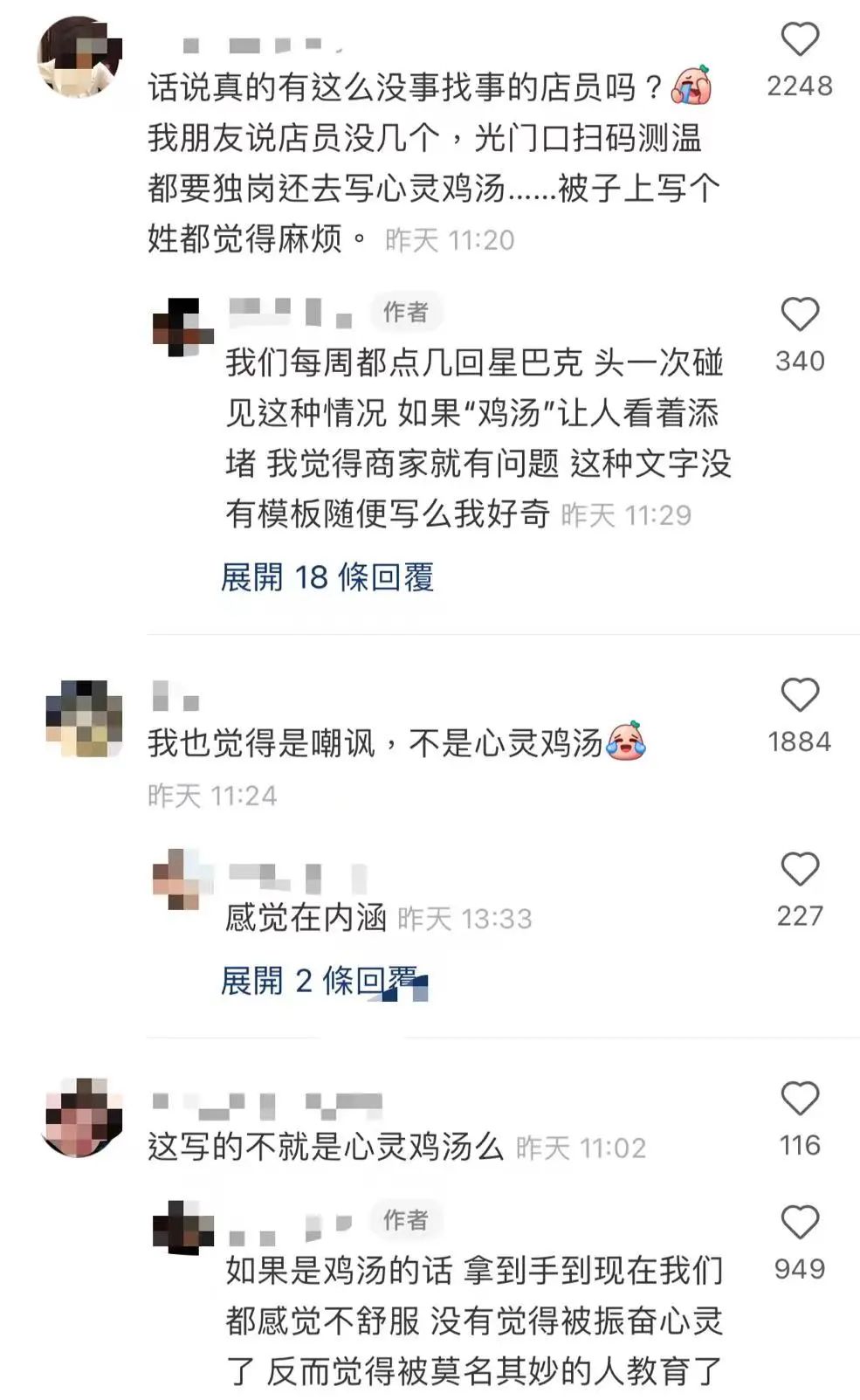
This incident has sparked widespread discussion on the boundaries of communication between brands and customers—especially in today’s era of increasingly prevalent delivery services. How to strike the right balance between “blessings” and “intrusions” has become a matter worthy of reflection for the industry. For coffee brands, in addition to the quality of the product itself, every aspect of service detail and customer experience can influence brand image and customer loyalty.
The above content is compiled by CoffeeHunters, a coffee news website.


