







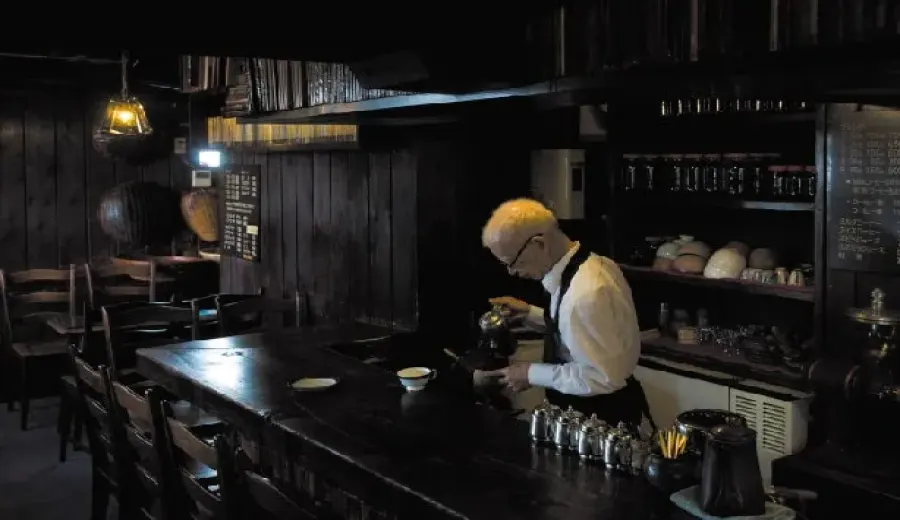
Introduction:Many people mistakenly believe that using specialty coffee beans alone is enough to brew the perfect cup of coffee. In reality, every step—from roast profile, grind size, to pour over water temperature—affects the final flavor. The legendary Japanese café Daiwa Coffee has stuck with hand-roasting and brewing with flannel filters for over 40 years, proving that the key to a great cup lies in the harmony of the entire craft. This article explores the fundamental differences between specialty coffee beans and specialty coffee, and shares practical tips to make your coffee smoother and sweeter on the aftertaste.
Many tend to equate "specialty coffee beans" with "specialty coffee," assuming that as long as they choose high-quality green beans, any brewing method will yield an amazing drink. But is this really the case? Daiwa Coffee, a legendary café in Tokyo, demonstrates another possibility of specialty coffee through over forty years of dedication—showing it’s not just about the beans, but the entire system from roasting to extraction.
Nestled in a quiet alley, this café has been operating since 1975, with almost no flashy decor or fancy furnishings.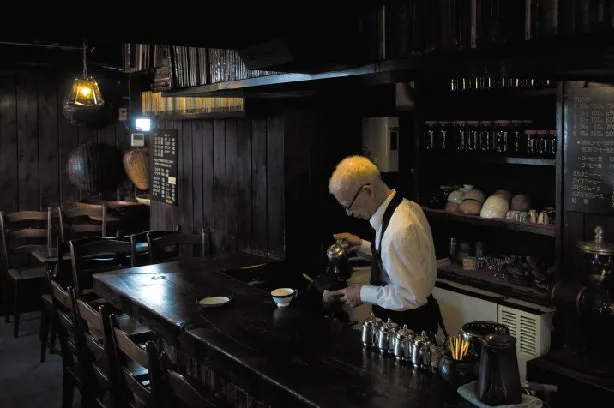 The one constant in the shop is the aroma of beans roasted daily by owner Mr. Daiwa himself, along with his low-key, unpretentious attitude toward customers. Yet it’s precisely this dedication and purity that keeps many literati and coffee enthusiasts coming back, even considering it a place to find inspiration in life.
Mr. Daiwa spends about five hours each day hand-roasting fresh beans with a traditional hand-cranked roaster. He admits the work is extremely taxing, and sometimes he almost wants to give up. But whenever he sees customers smile with satisfaction after drinking the coffee he roasted and brewed himself, he finds the motivation to carry on.
Notably, Daiwa Coffee’s coffee list is quite simple, mainly featuring dark roasts and almost exclusively using flannel filter drip—a method rarely seen in Japan today. Though less common than modern pour-over cones, flannel filtering extracts flavors more evenly, resulting in a richer, sweeter cup while reducing bitterness from over-extraction. Mr. Daiwa insists on serving only “coffee that feels good to drink,” without pursuing complex techniques or flashy flavor profiles.
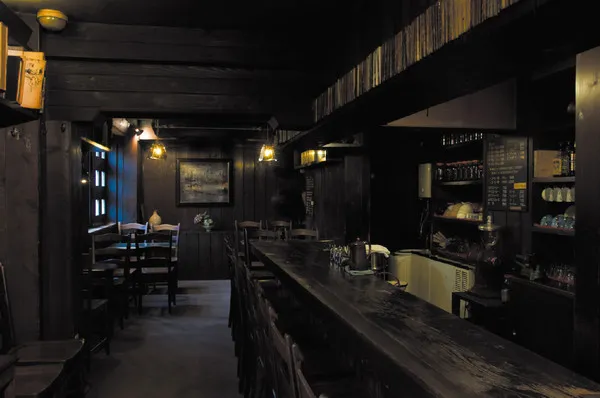 He once said: “Running a café long-term means staying true to your original intention. Every day, you shouldn’t think about how to attract attention, but how to maintain coffee quality so every guest can enjoy a cup that feels right to them.” This focus on essence has transformed Daiwa Coffee from a small shop into a legend in Japan’s coffee scene.
In contrast, many current coffee businesses and consumers often misplace their focus. Cafés compete on interior design, baristas focus on latte art performances and technique displays, while customers are led by various flavor descriptions, overlooking the coffee’s balance and drinkability. The concept of specialty coffee is widely discussed, yet few truly understand that specialty beans are just one part of the whole—True specialty coffee requires the perfect combination of high-quality green beans, a well-designed roast curve, and proper brewing methods..
Many shops simply label themselves as selling specialty coffee because they use so-called "specialty beans," while neglecting crucial parameters such as roast depth, grind size, water temperature, and extraction time. When the final cup doesn’t meet expectations, they easily blame the beans, which not only misleads customers about specialty coffee, but also erodes trust in the brand.
Mr. Daiwa once said earnestly: “This shop has stayed open for so long thanks to the support and recognition of our customers. They love the coffee I make, and I just want to offer drinks that everyone can enjoy comfortably.” This dedication to the essence of coffee is exactly the mindset the industry should return to today.
Yet even consumer attitudes have gradually drifted from the original intent. Many, when faced with a drink labeled as “specialty coffee,” will still try hard to discern so-called flavor layers even if the taste doesn’t meet expectations, as if drinking coffee has become an analytical task rather than a moment of relaxation. In truth, the primary condition of a good cup of coffee is that it’s enjoyable and easy to drink—not necessarily packed with complex flavors.
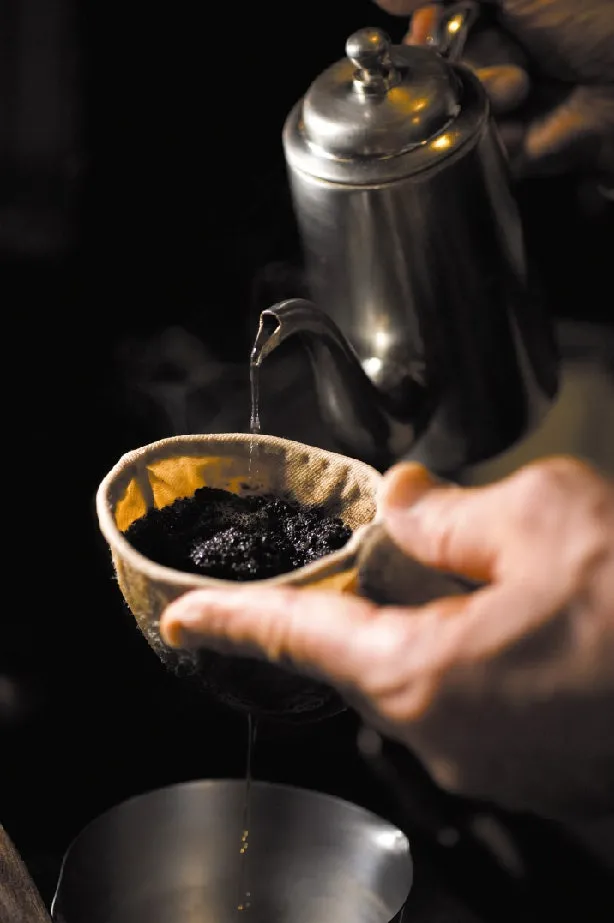 When we re-examine what makes a “good coffee,” perhaps we should return to the most basic question: Is this cup balanced? Does it bring pleasure? From bean selection, roasting, grinding, to brewing, every step shapes the final flavor profile. Only by understanding how these elements interact can we truly appreciate the essence of a cup of coffee, without being misled by marketing jargon or trends.
The above content is compiled by CoffeeHunters, a coffee news website.


