







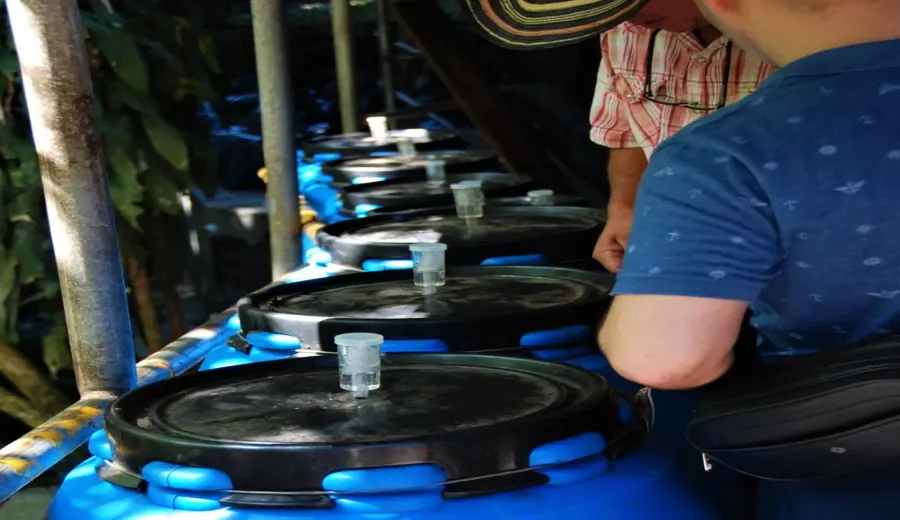
Introduction:With the rise of the specialty coffee market, anaerobic processing has become a popular label for high-end beans, but its complex techniques often lead consumers to mistakenly assume flavorings have been added. This article delves into the key differences between anaerobic natural and washed processes, analyzes why farms invest in this high-cost technology, and references insights from international competition judges to clarify the definition of flavored coffee. Through professional details such as fermentation parameters and yeast strains, it helps you distinguish between natural fermentation and artificial flavoring, while debunking the common myth of whether "anaerobic beans are harmful to health."
In recent years, the processing method descriptions on coffee packaging have become increasingly detailed, especially with innovative techniques centered around anaerobic technology emerging endlessly. When consumers sip anaerobic coffee with intense fruity or wine-like notes, they often wonder if flavorings were added during roasting. In reality, these unique flavors stem from precise control during processing, not from post-production additives.
Anaerobic processing is mainly divided into two major types:Anaerobic NaturalandAnaerobic Washed. The former involves placing coffee cherries in a sealed container for anaerobic fermentation before moving them to drying beds, while the latter completes the traditional washed process of removing the pulp first, followed by initiating the anaerobic fermentation stage. Compared to traditional natural or washed processes that rely on weather conditions, the anaerobic stage allows for significant improvement in flavor consistency by adjusting temperature, pressure, and the microbial environment.
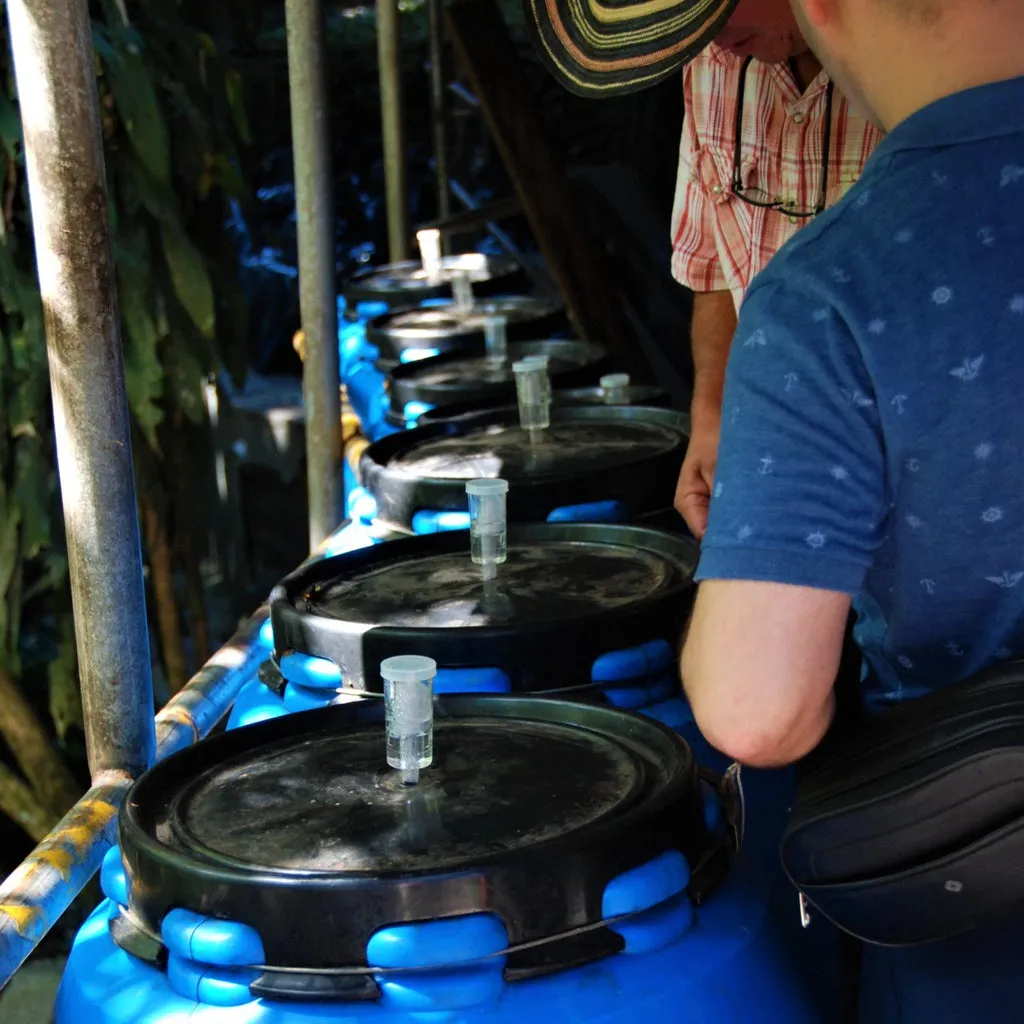
This type of processing requires professional equipment and a skilled technical team, so it is mostly led by large-scale farms in countries like Colombia and Costa Rica. For example, well-known farms in premium regions such as 90+, Palmira, and Tucaní are renowned for their experimental processing methods. Notably, each farm sets its own anaerobic parameters, resulting in vastly different flavor profiles—from the burst of tropical fruits to rich wine-like aromas, all of which can be presented in the cup.
Common advanced anaerobic processing names on the market often reflect their unique techniques:Sherry Cask Fermented Washedutilizes residual flavor compounds from wine barrels;Lactic Acid Bacteria Anaerobic Fermentationconverts sugars through specific strains; whileDouble Anaerobic Honey Processcombines multi-stage anaerobic environments with partial pulp retention. These techniques break through the limitations of traditional processing methods, creating more vivid and layered flavor profiles.
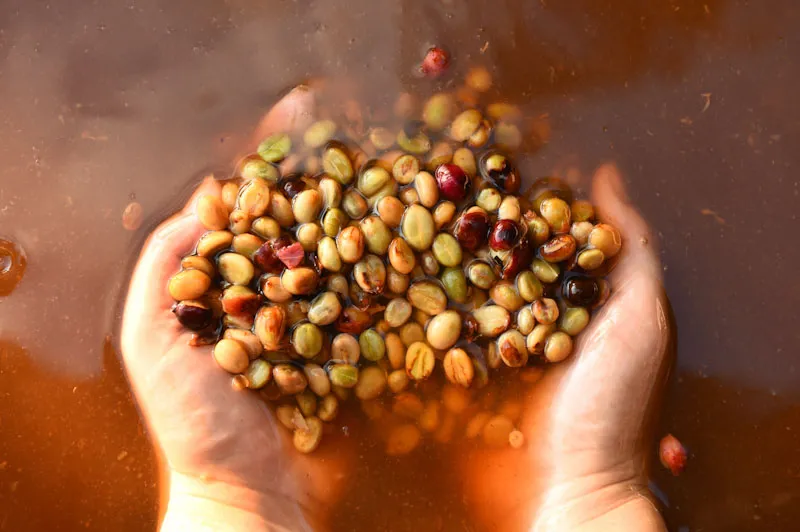
Regarding the controversy over flavored coffee, international competition judge Sasa provides a clear definition: if flavorings or flavor extracts are added during fermentation, resulting in the final coffee exhibiting those flavors, it falls under the category of flavored coffee. Conversely, using enzymes to catalyze or adding microbes such as yeast and probiotics, where flavors are naturally produced solely through fermentation reactions, is not considered flavored. For example, adding pineapple during fermentation provides sugars and microbes, but if it completely decomposes without leaving residues before brewing, it is merely a processing aid.
Professional advice for consumers is to pay attention to the processing details labeled on the coffee bag: including fermentation time (usually 6–72 hours), the strains used (such as types of lactic acid bacteria or yeast), temperature control (commonly 20–25°C), and whether any additives remain. Through transparent information, one can determine whether the purchased coffee is naturally fermented or artificially flavored.
Regarding health concerns, there is currently no scientific evidence showing that properly processed anaerobic coffee contains harmful substances. In contrast, products with illegally added chemical flavorings may contain non-compliant additives. It is recommended to prioritize farm-direct beans with traceable information when purchasing, and avoid cheap, untraceable specialty blends.
The above content is compiled by CoffeeHunters, a coffee news website.


