







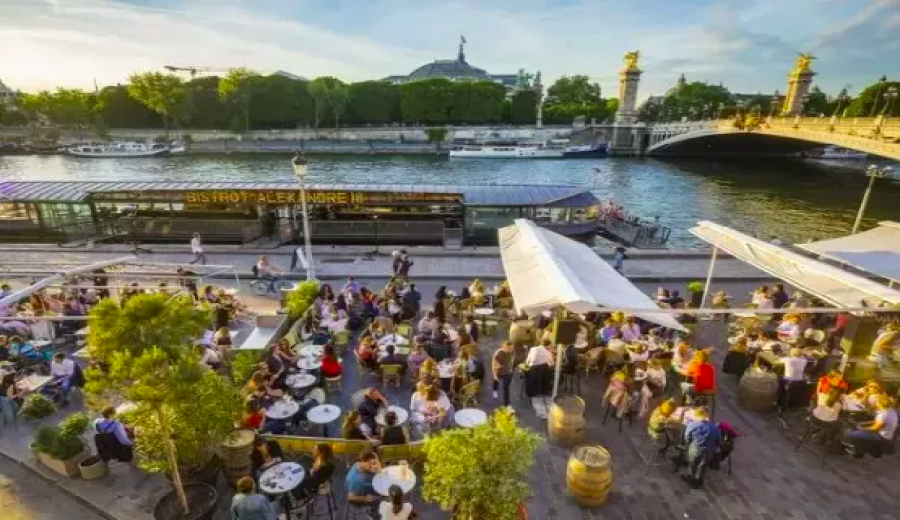
Introduction:Parisian cafés are not only urban landmarks but also the soul of French art de vivre. Over the past two decades, the number of cafés in the three suburban departments of Paris has plummeted by 40%, facing unprecedented survival challenges. The French industry is actively pushing to have them listed as UNESCO Intangible Cultural Heritage in an attempt to save this cultural icon. This article delves into the reasons behind the decline of Parisian cafés, their historical value, and the current and future state of rescue efforts.
Paris, known as the "City of Light," exudes romance not only through its street art and the charm of the Seine but also within its historic cafés. Yet, these once-inspirational corners for thinkers, writers, and artists are now facing a severe existential crisis.
According to statistics from the French Chamber of Commerce and Industry, since 2002, the number of traditional cafés in the three suburban departments of Paris has sharply declined 40%, from 1,970 to the current 1,410. This trend reflects not just a shift in business models but a transformation in the city’s way of life.
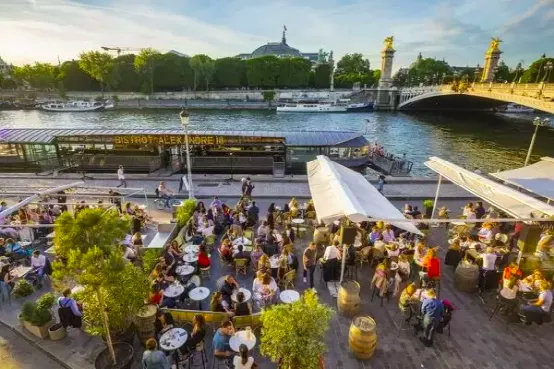
Looking back in history, Paris’s café culture dates back to the Enlightenment era. The very first café—Café Procope—opened as early as 1686, attracting thinkers such as Voltaire and Rousseau. They engaged in philosophical debates and political discussions here, making the café a cradle of Enlightenment thought. On the eve of the French Revolution, Café de Foy became one of the birthplaces of revolutionary fervor. In the subsequent Golden Age of Literature, Parisian cafés continued to provide inspiration and refuge for writers, becoming a vital element of the French "art de vivre."
However, this unique coffee culture is gradually fading. Although some districts in central Paris, such as the 2nd and 3rd arrondissements, have seen an increase in the number of cafés due to booming tourism—by 17% and 15%respectively—the overall trend remains one of decline. Particularly in the 1st arrondissement, large-scale urban redevelopment and building renovation projects have led to reduced foot traffic, resulting in a sharp drop of 46%in the number of cafés.
The reasons for the decline in the number of cafés are not singular. Since France implemented the 35-hour workweek in 2000, office workers’ lunch breaks have significantly shortened, reducing the time they spend in cafés. The COVID-19 pandemic that erupted in 2020 dealt a heavy blow to the food and beverage industry. Many cafés were forced to close due to health policies or struggled to sustain operations under prolonged restrictions. Meanwhile, the rise of remote work has lessened the need for people to visit cafés daily for work or socializing, further exacerbating the loss of clientele.
Additionally, the widespread availability of coffee machines in homes and offices has diminished the necessity of "grabbing a coffee to go," causing traditional cafés to lose part of their regular customer base. Marcel Bénézet, an expert from the French Chamber of Commerce and Industry, pointed out that under the impact of mandatory remote work and bans on standing dining, the overall turnover of Paris’s food and beverage sector once dropped by nearly 50%, with cafés being among the hardest hit.
Once, Parisian cafés were hubs of sociability, creativity, and politics, where people engaged in lively discussions, whispered sweet nothings, and enjoyed slow-paced coffee moments. Nowadays, with the rise of the "grab-and-go" coffee culture, the leisurely atmosphere of sitting for hours is gradually disappearing. Some historic cafés, such as Les Deux Magots, which boasts a 200-year history, have managed to endure but have also suffered incidents like fires, which are truly regrettable.
Faced with this crisis, the French coffee industry has not stood idly by. As early as 2019 and 2021, relevant associations twice submitted applications to the French Ministry of Culture, hoping to include France’s distinctive open-air café and bistro culture in UNESCO’s Intangible Cultural Heritage list. This initiative has been relaunched this year and has garnered public support from French President Macron.
French cafés are not just places that serve drinks but are microcosms of urban culture, carrying countless stories and historical memories. Listing them as World Heritage can not only raise public awareness of this culture but also help formulate more effective preservation policies. Perhaps one day, people will be able to enjoy not just a cup of coffee but also the profound cultural essence of France in these cafés recognized as intangible heritage.
The above content is compiled by CoffeeHunters, a coffee news website.


