








Introduction:In the age of social media, cafés have become popular spots for people to take photos, but this has also led to numerous disputes caused by customers taking pictures. From spilled coffee and damaged furniture to dine-and-dashes, many shop owners have been left struggling. This article delves into these common issues, analyzes the reasons behind them, and offers practical advice to help café operators properly handle such situations, maintaining operational quality and the customer experience.
In today’s era of thriving social platforms, many people visit cafés not just to enjoy coffee, but to find photogenic settings. However, this trend has also led some customers to engage in disruptive behavior due to their photography needs, causing considerable inconvenience for shop owners. Recently, the owner of Bucolic Khaoyai, a popular café near Khao Yai National Park in Thailand, shared a series of frustrating experiences on social media.

According to the owner, a couple once got into a heated argument over unsatisfactory photos. The woman, losing her temper, ended up throwing coffee at the man. The incident not only stained the man’s clothes but also spilled onto nearby tables, floors, and decorations, creating a chaotic scene. Although the café’s surveillance cameras captured the entire event, the couple quickly fled the scene, leaving the owner no time to address compensation, and forcing the staff to clean up the mess themselves. One staff member said helplessly, “They ran off so fast, we didn’t even see their taillights.”
After the incident was exposed online, it sparked widespread discussion among netizens. Many expressed sympathy for the owner and argued that such behavior severely disrupts the dining environment for other customers and should not be allowed to affect everyone because of one person’s emotional outburst.
Subsequently, the owner revealed more similar cases. For example, a customer accidentally broke a plate but did not inform the staff immediately. Instead, they tried to piece the fragments back together and quietly leave, nearly causing injury to a cleaner. Another customer, attempting to get the perfect photo angle, applied too much force and ended up breaking the backrest and footrest of a chair. These actions not only resulted in actual property damage but also added to the operational burden of the café.
In response to the damage, some netizens jokingly commented, “This proves your chairs need to be more durable.” The owner replied, “Those are all cypress wood chairs—how could they still get broken? I’m at a loss.” The owner even joked self-deprecatingly, “I don’t run a café, I run more like a boxing gym.”
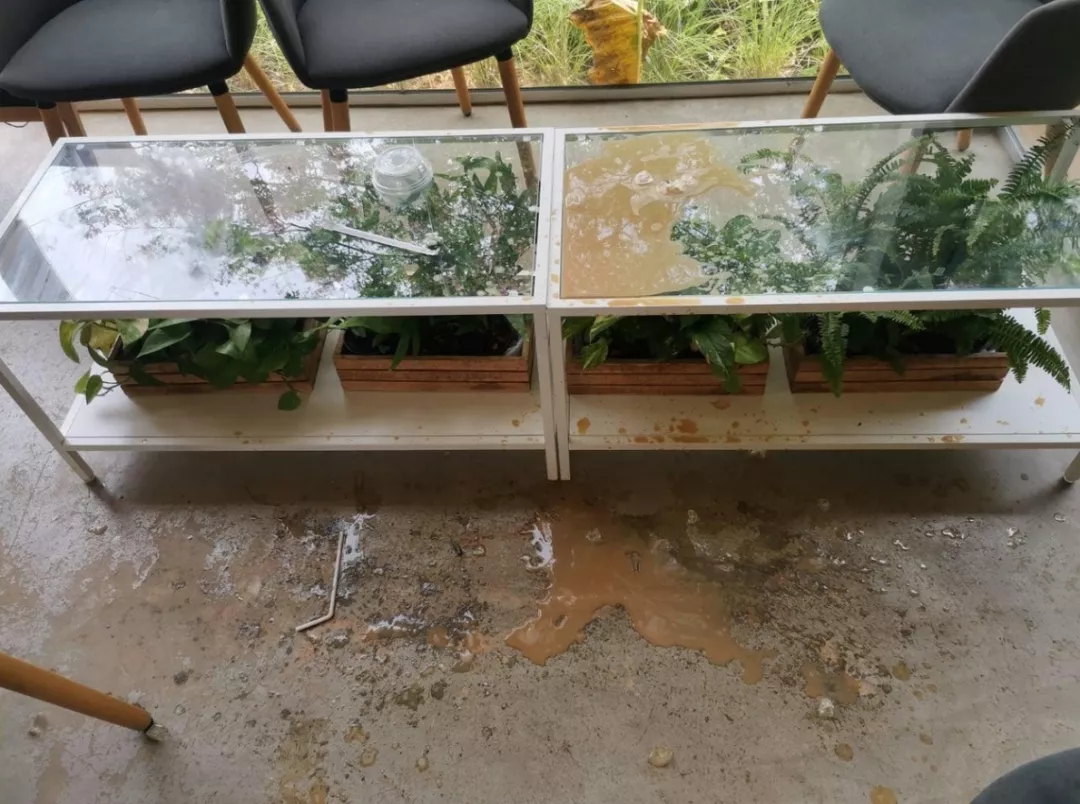
In fact, disputes arising from photography are not isolated incidents. Similar events have occurred in other cafés before, such as influencers or customers occupying prime photo spots for extended periods, disrupting other guests’ meals and prompting many complaints. Not only do the owners find it troublesome, but regular customers also disapprove of such behavior, considering it a lack of basic public etiquette.
Faced with these challenges, café operators can take some practical measures to reduce risks. First, clear signage can be posted inside the café to prohibit excessive noise, malicious damage, or moving facilities without permission, along with friendly reminder notices when necessary. Second, for high-risk areas—such as corners with delicate decorations or fragile furniture—additional protective measures can be considered, or certain behaviors can be restricted. Additionally, it is recommended that shop owners train staff to be more observant, so they can gently intervene when customers show signs of emotional distress or engage in dangerous actions, helping to prevent conflicts from escalating.
Finally, regarding damage compensation, it is advisable for cafés to briefly explain relevant liability terms when customers are seated or ordering, and to retain surveillance footage as evidence for later clarification. In case of disputes, priority should be given to ensuring on-site safety, followed by seeking police assistance or legal resolution as appropriate.
While the check-in culture brought by social media drives foot traffic to cafés, it also comes with management challenges. Only by maintaining a pleasant atmosphere while properly handling exceptional situations can a more comfortable consumption experience be created for all customers.

The above content is compiled by CoffeeHunters, a coffee news website.


